



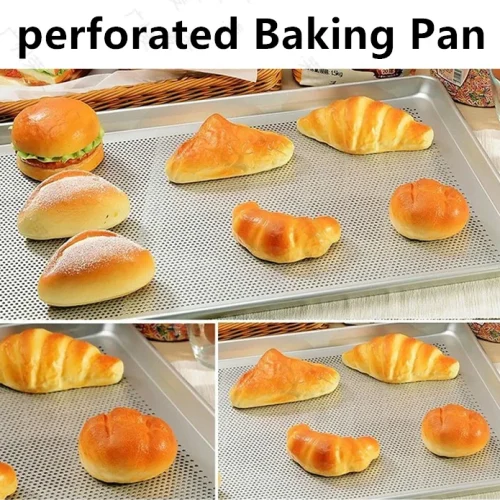
Perforated Baking Trays — Aluminum & Aluminizing Air-Flow Sheet Pans

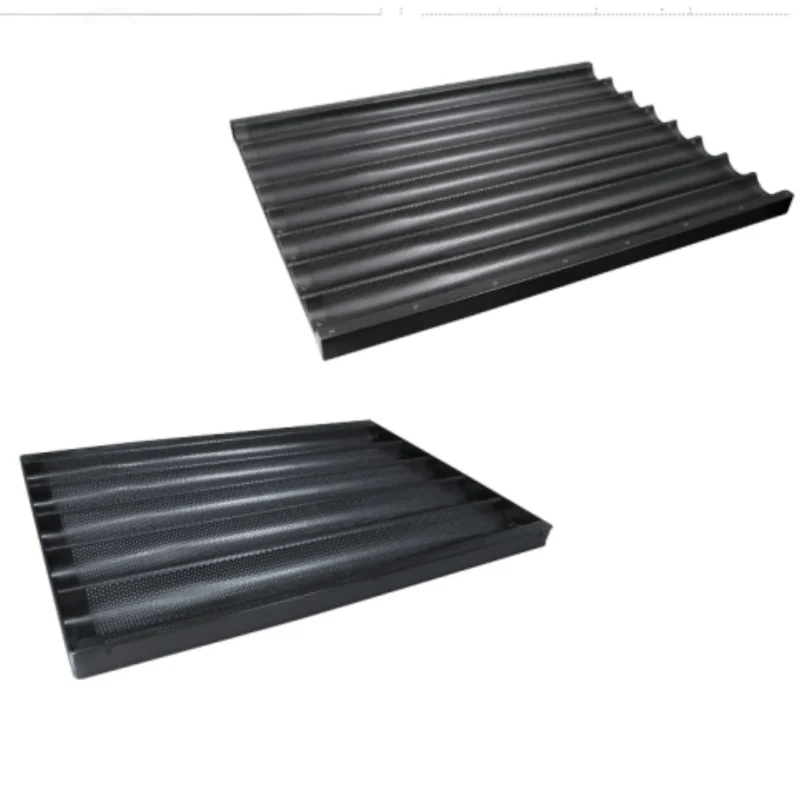
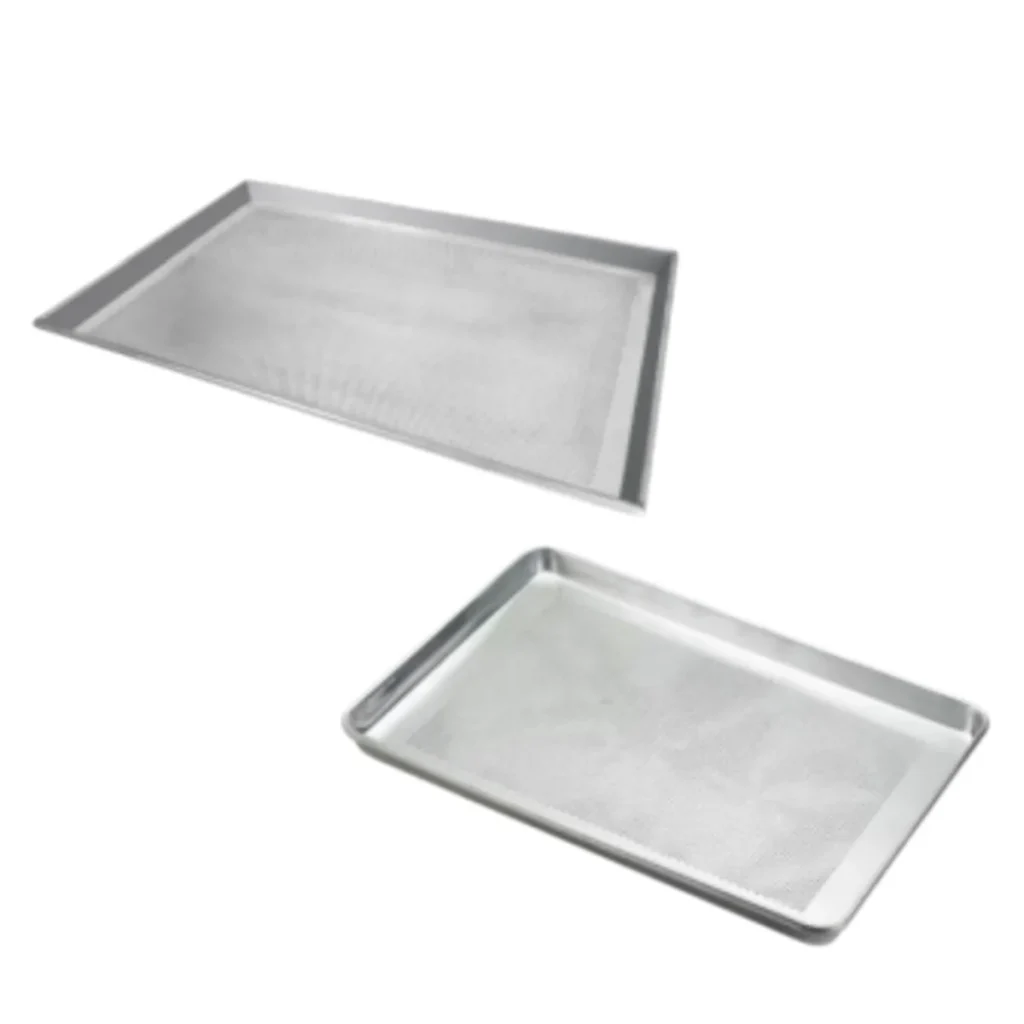
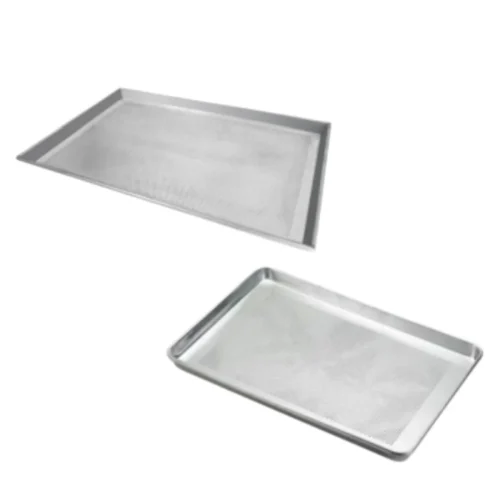
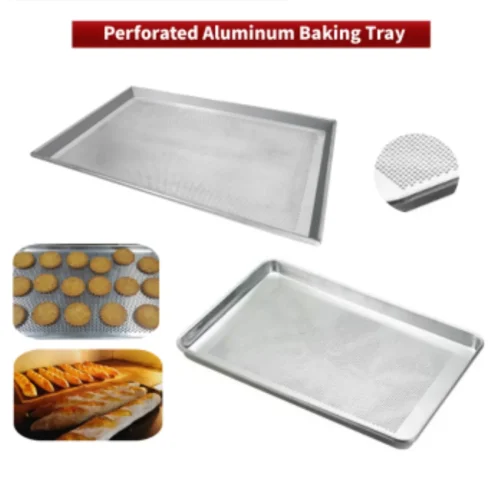
R&M perforated baking trays and sheets in plain aluminum and aluminizing finishes — 400×600 mm and 800×600 mm, 1.0-1.2 mm thick. The perforated base boosts airflow for crisp crusts, faster baking and even colour on cookies, bread, pizza bases and pastry. Factory-direct wholesale from R&M.

Request a Quote

Enter the quantity you need and add to your quote list for pricing inquiries.

Specifications

Tray Type
Perforated Aluminum / Perforated Aluminizing
Tray Size
400×600 mm / 800×600 mm
Edge Height
30 mm / 50 mm
Thickness
1.0-1.2 mm
Net Weight
2.05 kg (400×600 H50)
Material
Aluminum / Aluminizing

Description

Perforated Baking Trays & Sheets — Aluminum Air-Flow Pans by R&M

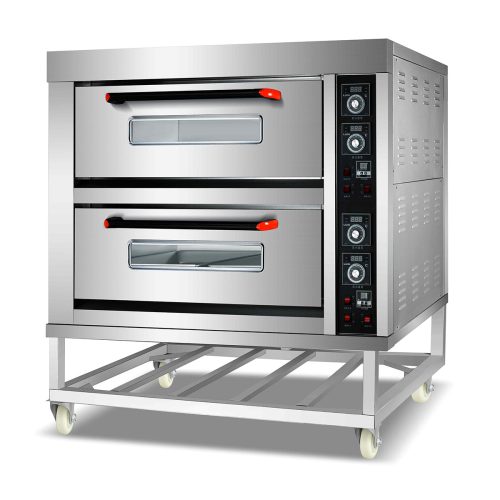
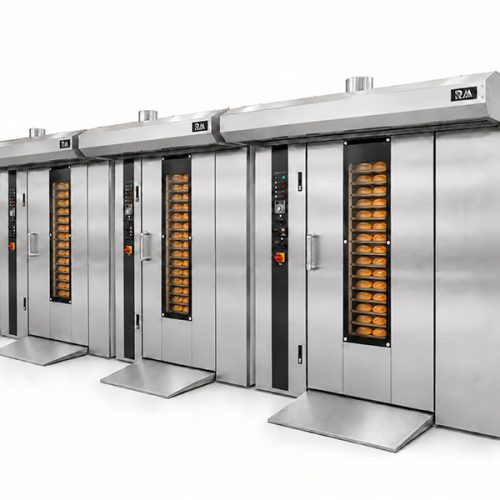
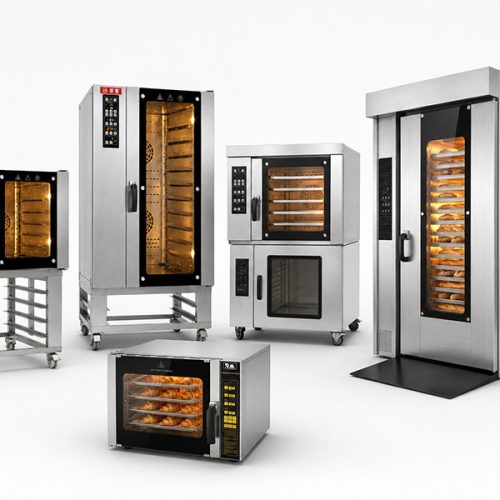
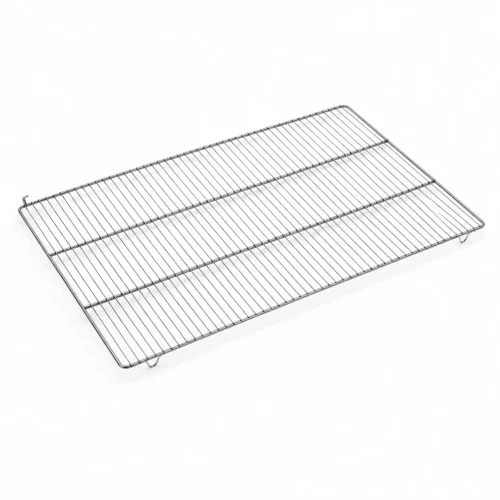
R&M perforated baking trays are commercial perforated baking sheets engineered with a dense pattern of holes across the pan surface. The perforations let hot air reach the dough from below and release steam during baking — producing a crisper crust, faster baking and more even colour on cookies, bread, pizza bases, baguettes and pastry. Available in plain aluminum and hard-wearing aluminizing finishes, in 400×600 mm and 800×600 mm tray sizes, built to fit standard deck ovens, rack ovens and rotary rack ovens.

Air-Flow Perforated Base
400×600 & 800×600 mm
Aluminum / Aluminizing
1.0–1.2 mm Thickness
OEM / Wholesale

Specifications — Perforated Baking Trays

Tray Type Tray Size Edge Height Thickness Net Weight
Perforated Aluminum Tray 400 × 600 mm 30 mm 1.2 mm
Perforated Aluminizing Tray 400 × 600 mm 50 mm 1.2 mm 2.05 kg
Perforated Aluminizing Tray 800 × 600 mm 30 mm 1.0 mm

Why a Perforated Baking Tray Bakes Better

Crisper crusts

The holes let oven heat and dry air reach the underside of the dough, driving off moisture. Cookies and bread bake with a crisper bottom and lighter, more open crumb than on a solid pan.

Faster, even baking

Air circulates through the perforations so heat reaches the product evenly from every direction — shorter bake times and consistent colour across the whole tray.

No dough sticking

Steam escapes through the holes instead of condensing between dough and pan. Baked goods release cleanly with no greasy build-up on the surface.

Works as a mesh baking tray

The perforated field performs like a mesh baking tray for pizza, baguettes and rolls — ideal where an open, ventilated surface improves the final bake.

Which Perforated Tray Fits Your Production

Perforated Aluminum Tray — 400×600 mm, 30 mm edge

The standard configuration for deck and rack ovens. Lightweight, fast heat transfer, ideal for cookies, rolls, bread and pastries where a crisp base matters.

Perforated Aluminizing Tray — 400×600 mm, 50 mm edge

A deeper edge (50 mm) with an aluminizing surface that resists corrosion and staining under daily commercial use. Good for high-moisture doughs and longer service life. 2.05 kg per tray.

Perforated Aluminizing Tray — 800×600 mm, 30 mm edge

The large format for higher output per oven cycle. Thin 1.0 mm wall keeps weight low while the wider surface fits larger ovens and industrial lines.

Every R&M perforated baking sheet can be ordered with custom hole patterns, OEM branding and mixed container loads with other bakery equipment. Tell us your oven tray opening and daily output — we will confirm the right configuration and quote factory-direct wholesale pricing.

Frequently Asked Questions

What is a perforated baking tray used for?
A perforated baking tray — also called a perforated baking sheet or perforated baking pan — is used wherever a crisp bottom and even colour are required: cookies, bread rolls, baguettes, pizza bases, croissants, pies and pastries. The holes in the pan surface allow oven air to reach the underside of the dough and let steam escape, so products bake faster and crisper than on a solid pan.
What sizes are available?
R&M supplies 400×600 mm and 800×600 mm perforated trays. The 400×600 mm size fits standard deck ovens and rack ovens; the 800×600 mm size suits larger ovens and industrial lines. Edge heights of 30 mm and 50 mm are available, with thickness from 1.0 to 1.2 mm.
What is the difference between a perforated tray and a mesh baking tray?
A perforated baking tray is a rigid aluminum or aluminizing pan with a dense pattern of holes punched in the base — it keeps its shape under heavy dough loads. A mesh baking tray (wire mesh) is a lighter woven-wire construction with the highest air flow. Perforated trays are the practical choice for commercial ovens where durability and even support matter, while mesh is preferred for maximum ventilation on delicate products.
Can I use a perforated baking tray for pizza?
Yes. A perforated baking tray with holes works well for pizza bases — the airflow helps bake the underside of the crust evenly and prevents a soggy centre. For maximum ventilation, many pizzerias prefer a dedicated pizza screen; R&M can advise on the best option for your oven type.
Do doughs stick to perforated trays?
Less than on solid trays, because steam escapes through the holes instead of condensing between the dough and the pan. For very sticky or high-hydration doughs, light dusting with flour or a non-stick treatment option is recommended. Aluminizing also improves release over plain aluminum.
Can I get OEM branding and custom hole patterns?
Yes. Custom hole patterns, surface finishes and OEM branding are available for wholesale and OEM orders. Minimum quantities apply — contact us with your requirements for a factory-direct quotation.

Get a Quote

R&M perforated baking trays and sheets — 400×600 & 800×600 mm, plain aluminum or aluminizing, factory-direct wholesale. Send us your tray size, quantity and destination for a quotation within 12 hours.

Get Perforated Baking Tray Prices

Share your tray size, quantity and destination — we reply with factory wholesale pricing and lead time within 12 hours.
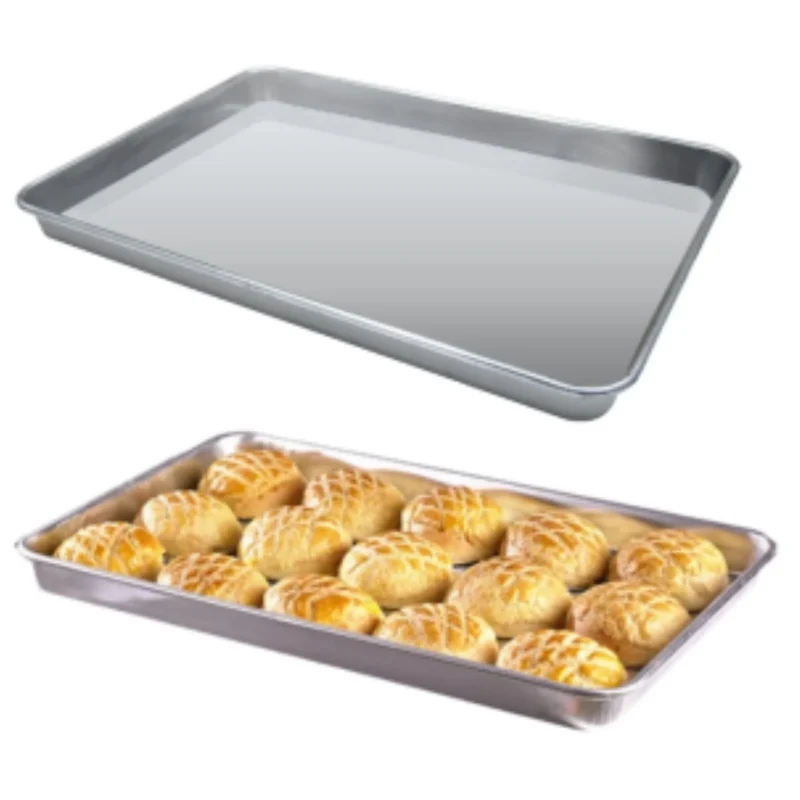
FAQ

Frequently Asked Questions

What is a perforated baking tray used for?
A perforated baking tray — also called a perforated baking sheet or perforated baking pan — is used wherever a crisp bottom and even colour are required: cookies, bread rolls, baguettes, pizza bases, croissants, pies and pastries. The holes allow oven air to reach the underside of the dough and let steam escape, so products bake faster and crisper than on a solid pan.
What sizes are available?
R&M supplies 400×600 mm and 800×600 mm perforated trays. The 400×600 mm size fits standard deck ovens and rack ovens; the 800×600 mm size suits larger ovens and industrial lines. Edge heights of 30 mm and 50 mm are available, with thickness from 1.0 to 1.2 mm.
What is the difference between a perforated tray and a mesh baking tray?
A perforated baking tray is a rigid aluminum or aluminizing pan with a dense pattern of holes punched in the base. A mesh baking tray (wire mesh) is a lighter woven-wire construction with the highest air flow. Perforated trays are the practical choice for commercial ovens where durability and even support matter.
Can I use a perforated baking tray for pizza?
Yes. A perforated baking tray with holes works well for pizza bases — the airflow helps bake the underside of the crust evenly and prevents a soggy centre. For maximum ventilation, many pizzerias prefer a dedicated pizza screen; R&M can advise on the best option.
Do doughs stick to perforated trays?
Less than on solid trays, because steam escapes through the holes instead of condensing between the dough and the pan. For very sticky doughs, light dusting with flour or a non-stick treatment option is recommended. Aluminizing also improves release over plain aluminum.
Can I get OEM branding and custom hole patterns?
Yes. Custom hole patterns, surface finishes and OEM branding are available for wholesale and OEM orders. Minimum quantities apply — contact us with your requirements for a factory-direct quotation.
Leave a message
Email sales13@rmachinery.com
Back to top

All Products

Leave a message