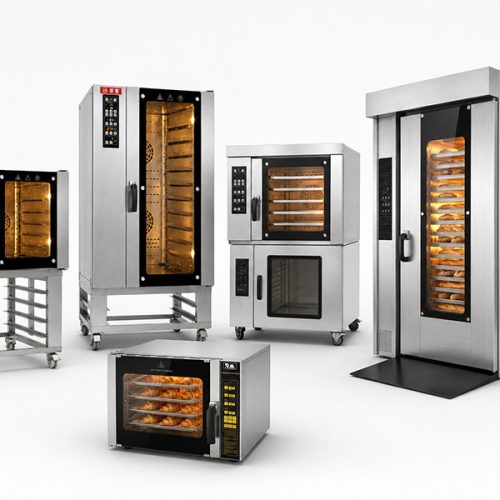
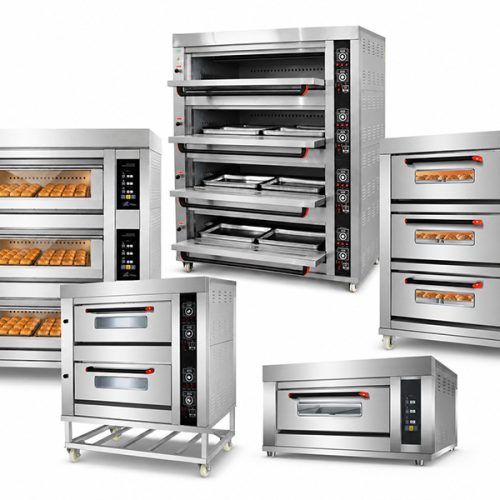
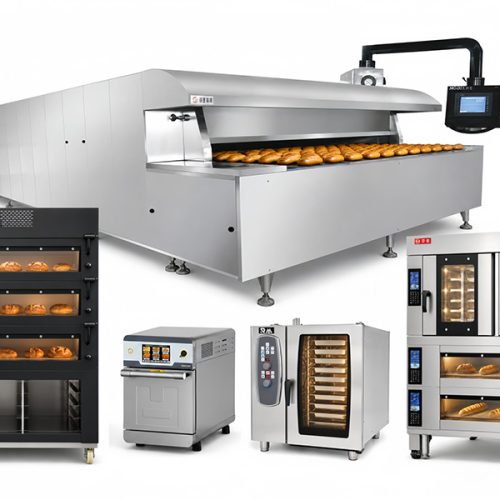
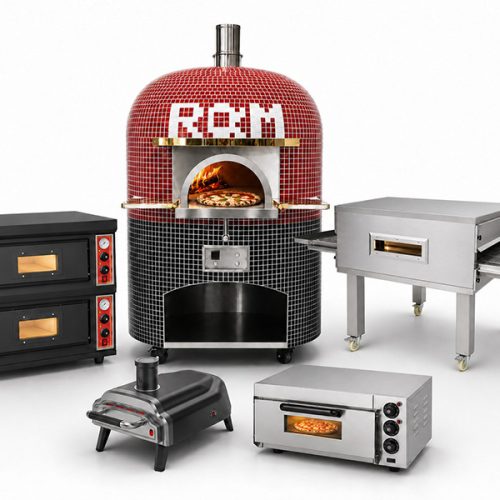
R&M fabrique commercial convection ovens for bakeries, restaurants, cafés and hotel kitchens — electric and gas, 3 to 15 trays. Every convection oven runs a bidirectional fan with steam injection, a stainless steel chamber and digital PID control. Factory-direct pricing, CE certified, shipped worldwide.
CE Certified3–15 TraysElectric & GasOEM / ODMReply in 12 Hours
Convection Oven Price & Cost Guide — Factory Direct
Convection oven cost depends on tray count, power source and order volume. Most same-spec units are priced 60–75% below the publicly listed retail rates of comparable models at leading U.S. foodservice retailers (based on our 2026 survey of published online list prices). The gap comes from selling direct from our factory — no distributor margin, no showroom overhead — not from cutting build quality.
Model Range
Configuration
Starting Price (FOB)
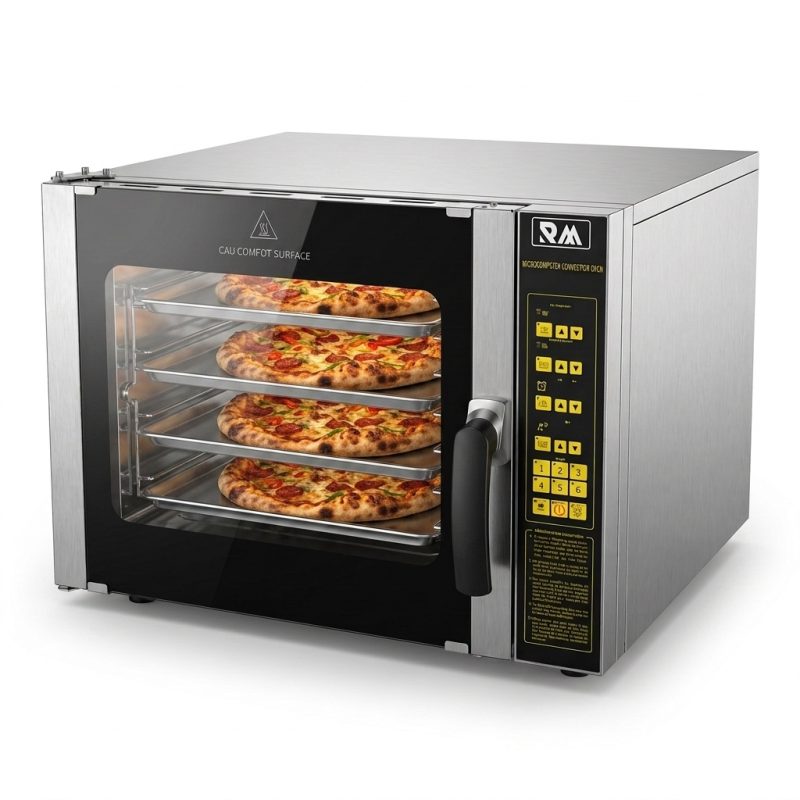
3–4 Tray
Electric, bench model
$250 – $350
5 Tray
Electric or Gas
$900 – $1,400
10 Tray
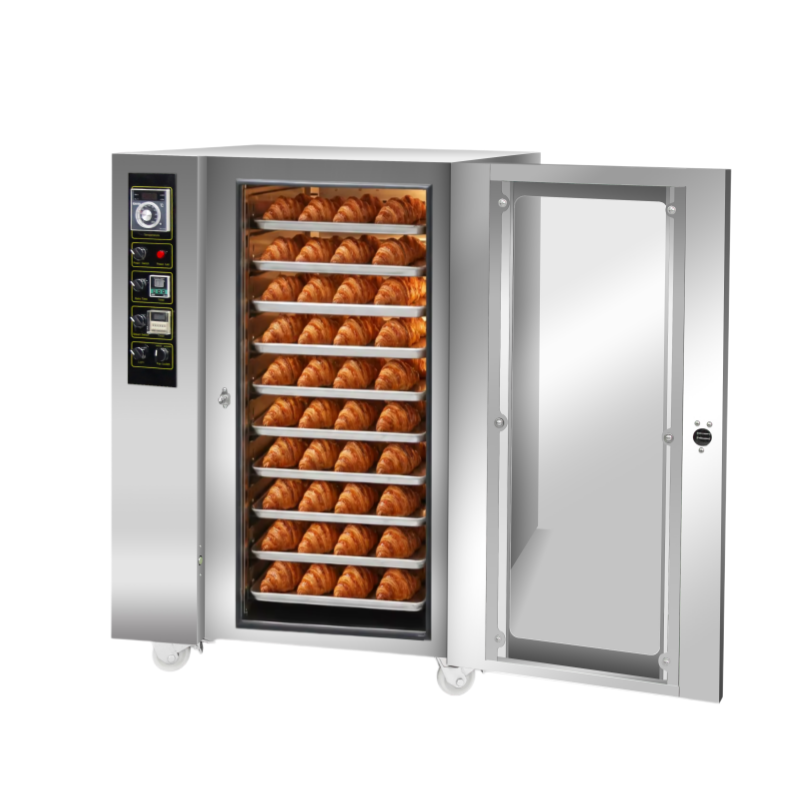
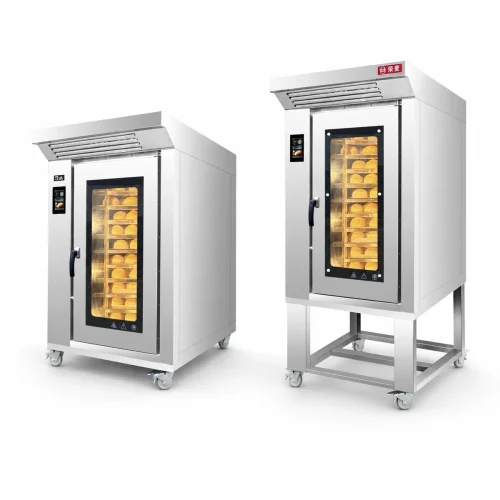
Electric or Gas, floor standing
$1,400 – $1,800
15 Tray
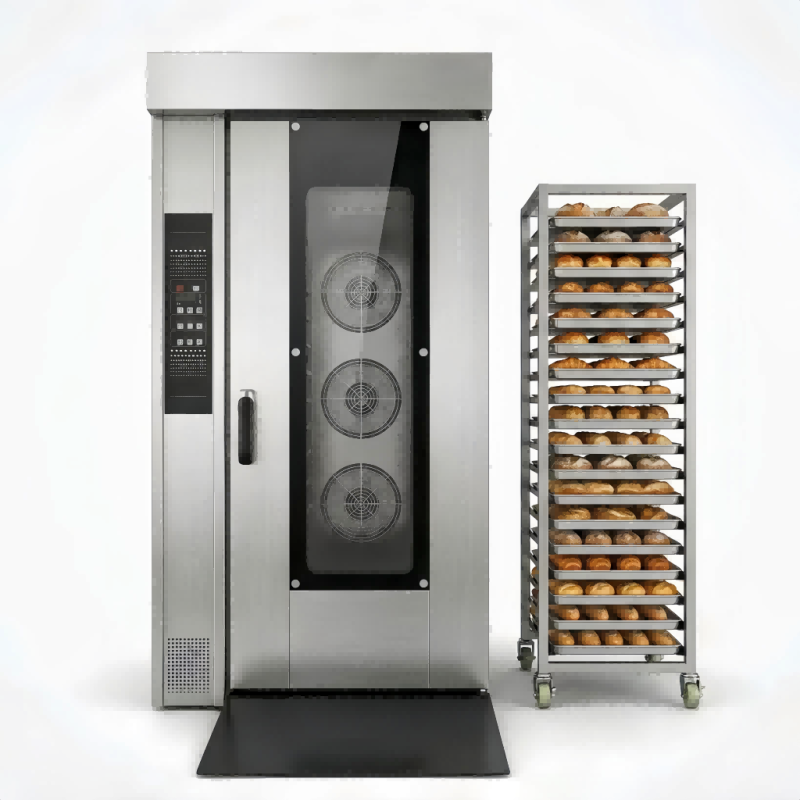
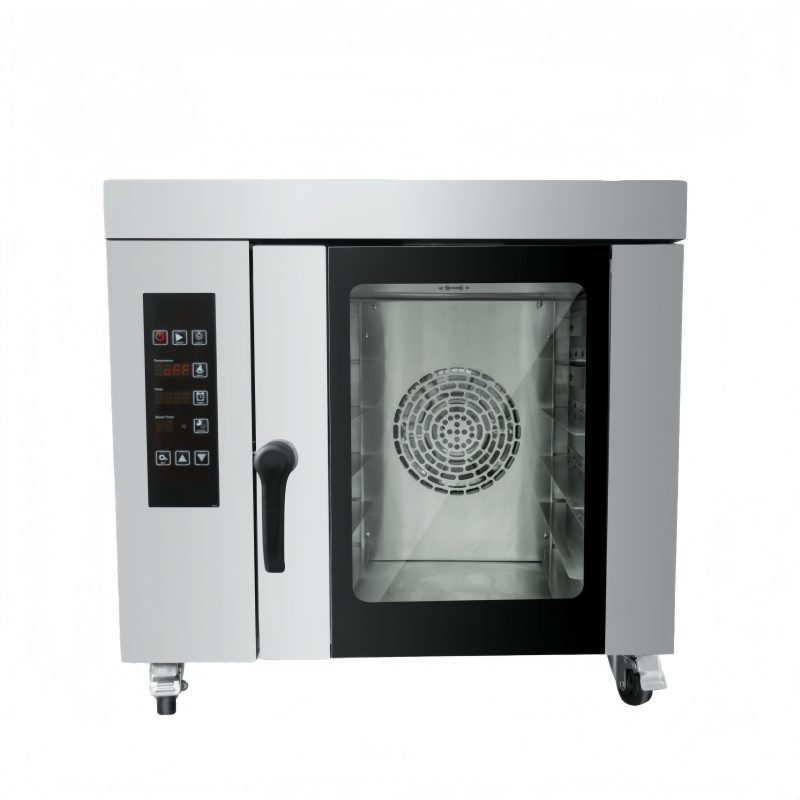
Electric, trolley type
Up to $3,000
Prices are FOB factory and vary with voltage configuration, steam options and order quantity. Ask us for a full landed-cost quotation including freight and duties for your destination port.
Electric or Gas Convection Oven — Which Fits Your Kitchen?
Electric Convection Oven
Gas Convection Oven
Utility
Three-phase 380V or single-phase 220V
LPG or LNG plus 220V control power
Control
PID precision, best for pastry and cake
Fast heat-up and quick recovery
Running cost
Higher where electricity is expensive
Lower where gas is cheap
Installation
No flue required, mall-friendly
Needs gas line and extraction
Best for
Cafés, central kitchens, mall units
High-volume bakeries and hotels
Both platforms share the same fan architecture, steam injection, insulation and control panel, so choosing gas over electric is a utility decision rather than a quality trade-off. If you want the best electric convection oven for delicate pastry work, the PID-controlled models hold temperature more tightly. Send us your local electricity and gas rates and we will run a side-by-side operating cost comparison for your shortlist.
Convection Oven Specifications — Electric & Gas Models
Electric Models — Bench Type
Modèle
GDR-3A
GDR-4E
Type
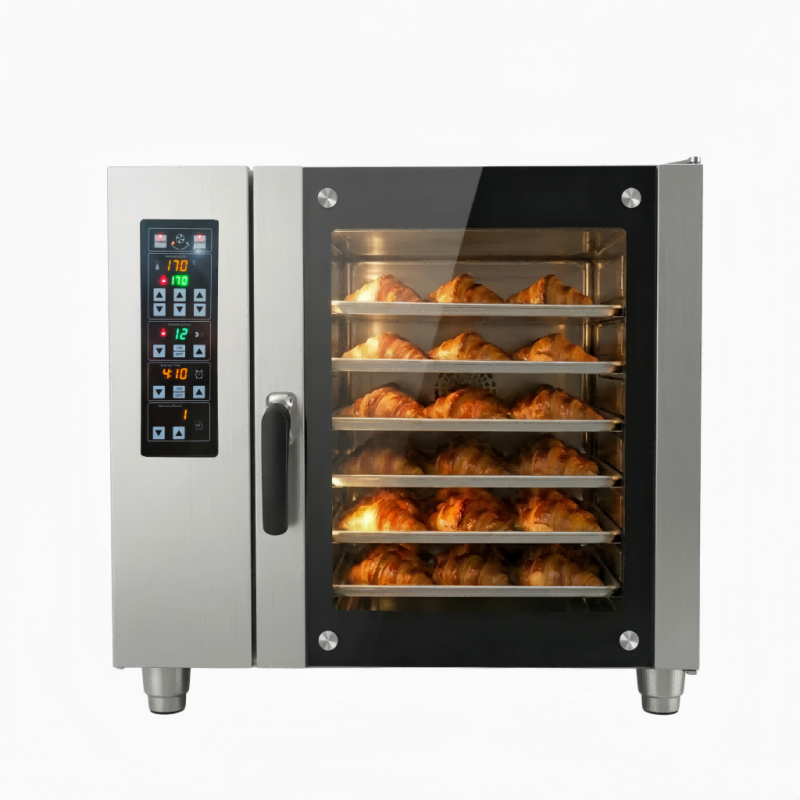
3 Tray Bench
4 Tray Bench
Dimensions (mm)
620 × 570 × 375
680 × 620 × 480
Tray Size
435 × 315mm × 3
435 × 315mm × 4
Temperature
50–350°C
50–350°C
Power
1.7 kW
3.6 kW
Tension
220V / 110V
220V / 110V
Weight
26 kg
38 kg
Electric Models — Floor & Trolley Type
Modèle
GDR-5E
GDR-10E
GDR-15T
Type
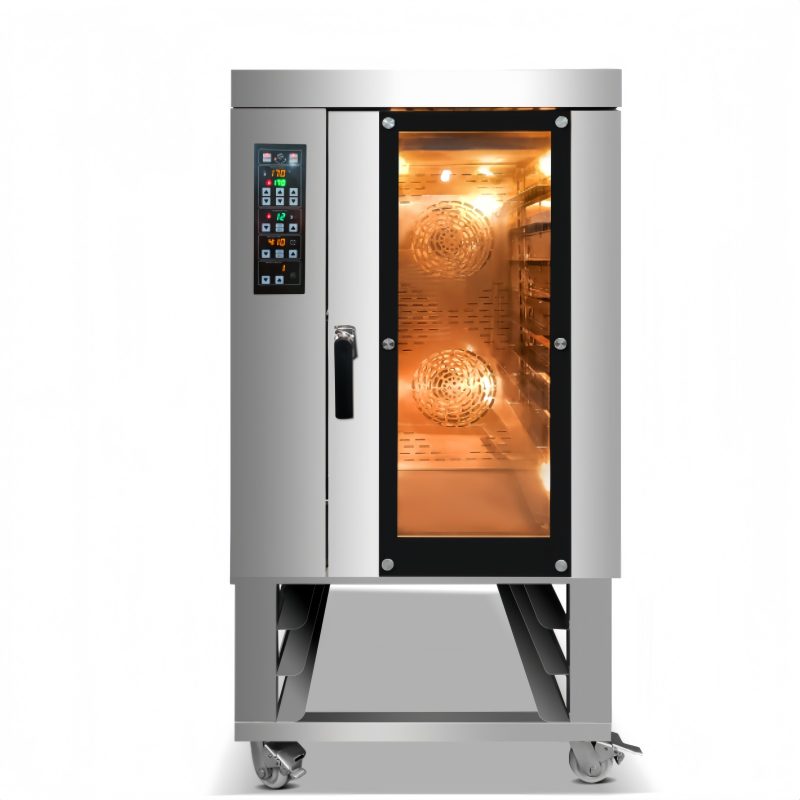
5 Tray
10 Tray
15 Tray Trolley
Dimensions (mm)
850 × 1090 × 800
850 × 1090 × 1300
900 × 1305 × 2020
Tray Size
600 × 400mm × 5
600 × 400mm × 10
600 × 400mm × 15
Temperature
Up to 300°C
Up to 300°C
Up to 300°C
Power
7.5 kW
15 kW
14 kW
Tension
380V
380V
380V
Weight
115 kg
175 kg
300 kg
Gas Models
Modèle
GDR-5G
GDR-10G
Type
5 Tray Gas
10 Tray Gas
Dimensions (mm)
760 × 965 × 850
760 × 965 × 1350
Tray Size
600 × 400mm × 5
600 × 400mm × 10
Electrical Load
0.3 kW
0.6 kW
Fuel
LPG / LNG + 220V
LPG / LNG + 220V
Weight
100 kg
155 kg
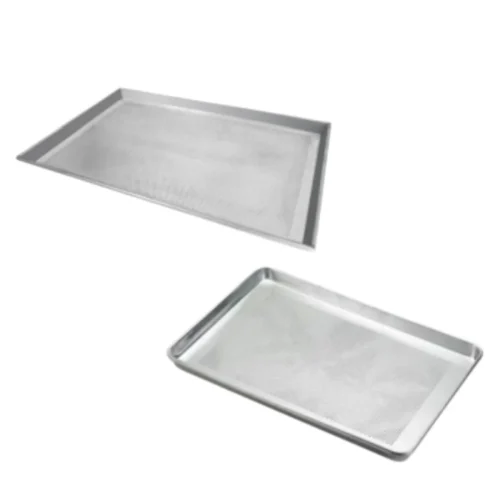
All 5-tray and larger units take full size convection oven trays to the 600 × 400mm European bakery standard. The 3-tray and 4-tray bench models use 435 × 315mm pans. US 18 × 26" full sheet pans need a customized chamber — tell us your pan standard when you request a quote.
How a True Convection Oven Works — Fan, Steam & PID Control
A true convection oven uses a motor-driven convection oven fan and an exhaust system to circulate heated air across every rack at once. A conventional oven relies on radiant heat rising from below, so trays bake at different speeds. Moving hot air strips away the cool boundary layer that slows heat transfer, which is why a convection oven bakes faster, browns evenly on every tray, and uses roughly 20–30% less energy per batch.
R&M build specification:
1mm 201 stainless steel baking chamber
Bidirectional fan with CE-certified copper motor
Steam injection with 1–60s adjustable wet spray for crust and gloss
Digital PID control, 30–300°C, 10-program memory
French Schneider contactor on the power circuit
Tempered double-glazed door with interior lamp
Choosing a Convection Oven by Business Type
Business Type
Recommended Model
Why It Fits
Café / Ghost Kitchen
3–4 Tray Electric
Sits on a work bench, single-phase power, ideal for small-batch pastry and reheating
Small Bakery
5 Tray Electric or Gas
Entry-level commercial output on 600 × 400mm European trays
Restaurant / Hotel Kitchen
10 Tray
Workhorse for breakfast lines and service peaks
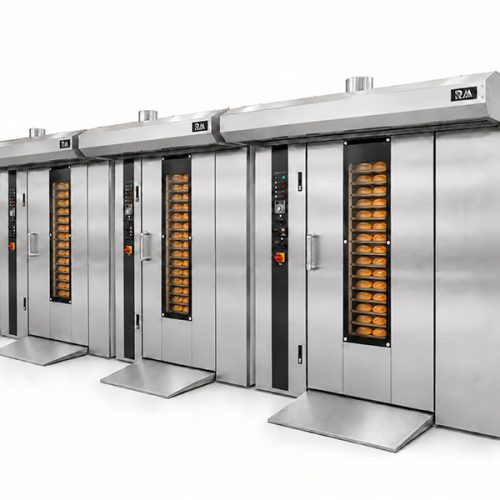
Production Bakery
15 Tray Trolley
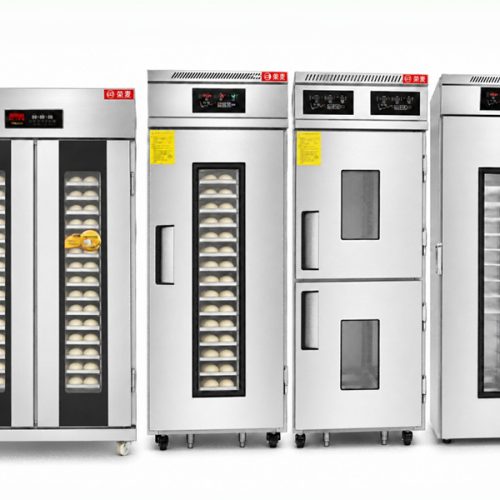
Roll the whole rack in, pairs with a proofer for continuous output
Catering / Central Kitchen
10 Tray Gas
Lower fuel cost at volume where extraction is available
A bakery convection oven is usually specified by peak-hour output rather than daily average, while a restaurant convection oven is more often chosen around menu flexibility and available utilities. Tell us both numbers and we will size the chamber correctly the first time.
Foire aux questions
What is the difference between a convection oven and a conventional oven?
A convection oven circulates hot air with a fan, while a conventional oven relies on static radiant heat. That single difference makes convection baking 20–30% faster, gives even browning across every tray, and lowers energy use per batch. A conventional oven heats unevenly from the bottom, which is why commercial bakeries choose convection for cakes, cookies, pastries and croissants. For artisan sourdough with a thick crust, a deck oven remains the better tool.
What is the best convection oven for a commercial bakery?
For most bakeries a 10-tray model with steam injection is the best balance of output and footprint. Choose 5 trays for a small bakery or café, 10 trays for a restaurant or hotel breakfast line, and a 15-tray trolley oven for continuous production. Size the oven to your peak-hour output rather than your average day, because the peak is what creates queues and lost sales.
How much does a commercial convection oven cost?
Factory-direct prices start at $250 for a 3-tray bench model, $900 for a 5-tray, $1,400 for a 10-tray floor-standing unit, and up to $3,000 for a 15-tray trolley oven. Final convection oven price depends on voltage configuration, steam options, order quantity and destination freight. Ask for a landed-cost quotation rather than an ex-works figure so you can compare against local retail fairly.
Should I choose an electric or gas convection oven?
Choose electric if you have three-phase 380V power, need precise temperature control for pastry, or operate in a building where gas is restricted. Choose gas if your daily volume is high, gas is cheaper than electricity in your market, or three-phase power is unavailable. Both types share the same fan, steam and control architecture, so fuel choice does not change baking quality.
What size baking trays does a commercial convection oven use?
Our 5-tray and larger models take full-size 600 × 400mm European bakery trays, while the 3-tray and 4-tray bench models use 435 × 315mm pans. These are not compatible with US 18 × 26" full sheet pans as standard. We do build customized chambers for the US pan standard, so confirm your tray format before ordering.
How do you use and clean a commercial convection oven?
Preheat to the target temperature, leave 2–3cm between pans for airflow, and reduce your conventional-oven recipe temperature by about 15°C because convection cooks faster. Clean the chamber daily with warm soapy water once it has cooled. Weekly, remove the side racks, clean the fan guard and clear the steam nozzle so spray volume stays consistent.
Do you offer OEM, custom voltage and export certification?
Yes. We configure 110V, 220V and 380V in single or three phase, convert burners between LPG and LNG, print your brand on the control panel and door, and supply CE documentation for customs clearance. MOQ and lead time depend on configuration, so send us your target market and annual volume and we will confirm both.
Ready to Choose Your Commercial Convection Oven?
Tell us your daily output, product mix and available utilities. Our bakery equipment engineers will recommend the right tray count and power source, then send a full quotation — typically within 12 hours.

 Français