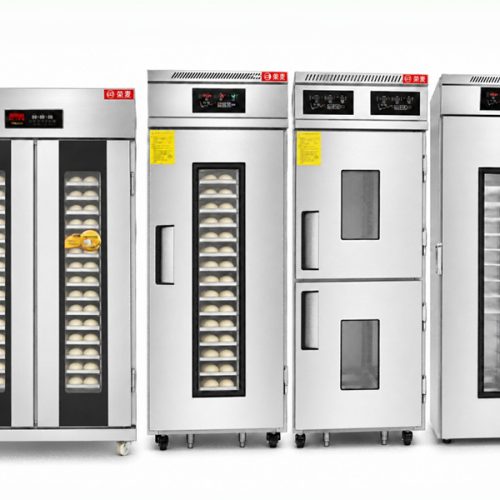




How to Use a Dough Proofer: Key Operating Steps
This video demonstrates how to operate a dough proofer correctly in a commercial bakery or pizza shop environment. A bread proofer — also called a proofing cabinet or bakery proofer — creates the controlled temperature and humidity conditions that yeast dough requires to rise evenly before baking. Correct operation directly affects dough volume, texture and final product quality.
Step 1: Set Temperature and Humidity
For most bread and pizza dough proofer applications, set the temperature between 32–38°C and relative humidity between 75–85%. Adjust these parameters based on your specific recipe, yeast quantity and desired proofing speed. A retarder proofer can also be set to cold-retard mode (4–8°C) for overnight fermentation.
Step 2: Preheat Before Loading
Allow the dough proofer machine to reach the target temperature and humidity level before loading trays. This typically takes 10–15 minutes. Loading cold dough into a proofer that has not yet stabilised will cause uneven proofing across the batch.
Step 3: Load Trays and Monitor
Place dough pieces — bread loaves, rolls, buns or pizza dough balls — on the proofer trays with adequate spacing for expansion. Close the door to maintain the internal environment. Monitor dough volume visually or use the timer function. Most commercial dough proofers require 45–90 minutes for standard bread dough at optimal proofing conditions.
Step 4: Check Proofing Progress
Dough is correctly proofed when it has approximately doubled in volume and springs back slowly when lightly pressed. Over-proofed dough collapses during baking; under-proofed dough produces dense, uneven crumb. A well-maintained bakery proofer with stable temperature and humidity control eliminates most proofing inconsistencies common in ambient-temperature fermentation.
Dough Fermentation: Why Temperature and Humidity Control Matters
Bread fermentation and dough proofing are temperature-sensitive biological processes. Yeast activity doubles approximately every 10°C rise in temperature within the active range. Without a controlled proofing chamber, variations in ambient temperature — between morning and afternoon, or between seasons — cause batch-to-batch inconsistency that is difficult to compensate for through recipe adjustments alone.
A commercial dough proofer solves this by maintaining a stable internal environment regardless of kitchen conditions. This is particularly important for:
- Pizza dough proofer applications — where consistent dough extension and bubble structure directly affect bake quality and crust texture.
- Sourdough bread production — where longer, cooler fermentation (retarding) develops flavour complexity; a retarder proofer handles this automatically.
- Croissant and laminated dough — requiring precise low-temperature proofing (26–28°C) to prevent butter layers from melting before the dough reaches the oven.
- High-volume bakery operations running multiple proofing batches per shift, where consistency across all batches is critical to product quality standards.
Related Bakery.html Equipment
- Dough Proofer Selection Guide — how to choose between standard proofers, retarder proofers and walk-in proofing rooms for your production scale.
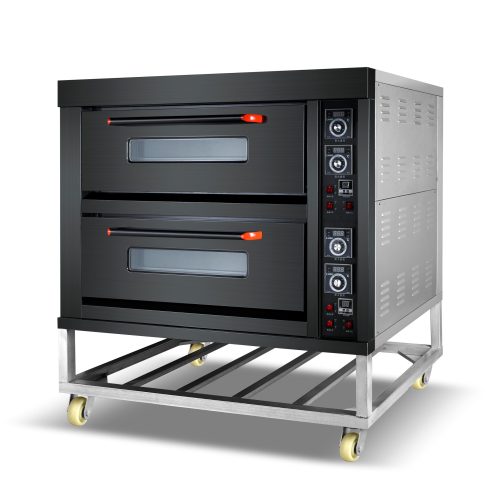
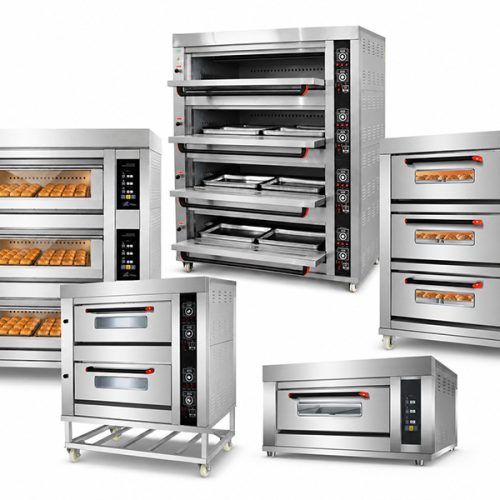
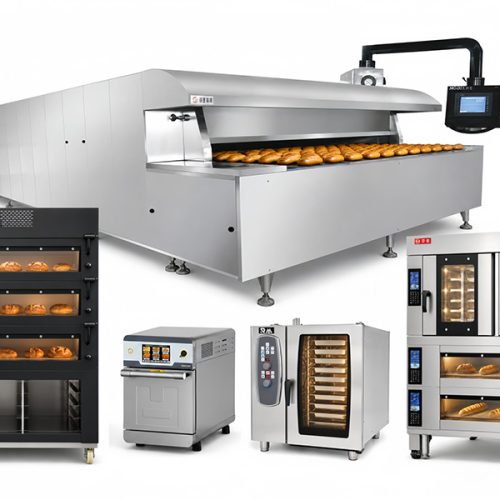
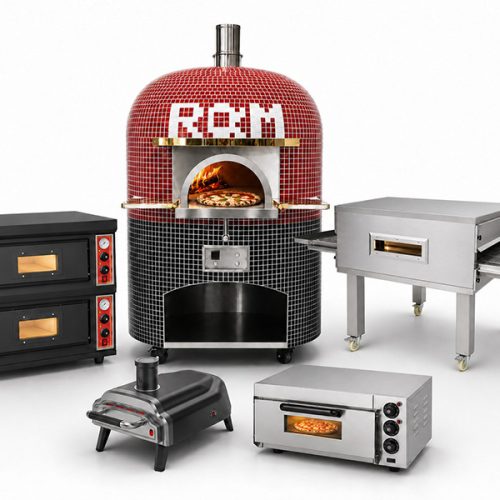
- Commercial Deck Ovens — the most common baking oven paired with a bread proofer in commercial bakeries.
- Gas Deck Ovens — LPG and natural gas baking ovens widely used downstream of dough proofers in pizza shops and bakeries.
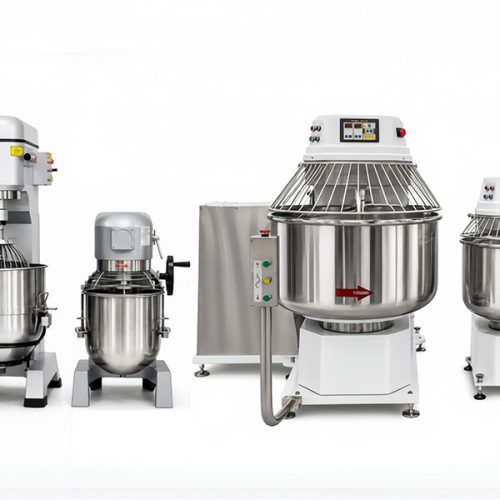
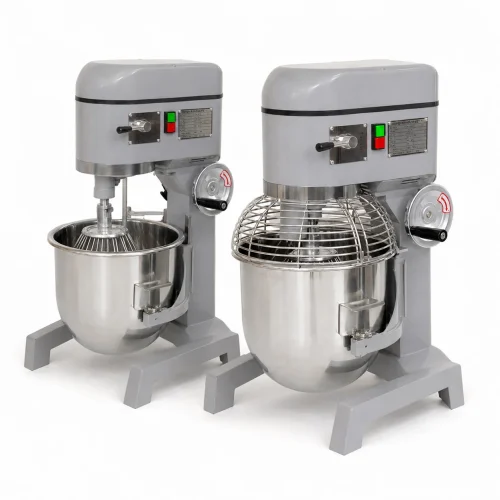
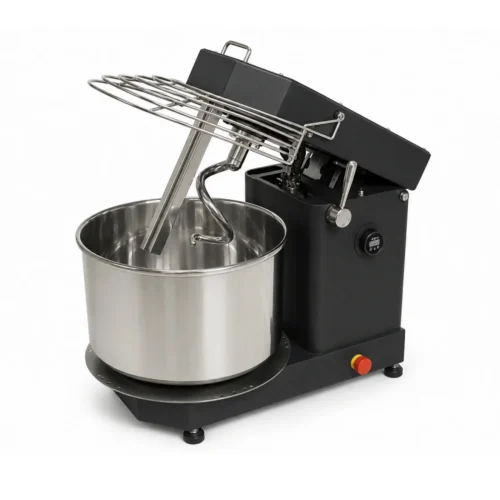
- Spiral Dough Mixers — heavy-duty mixers used upstream of the proofing stage for consistent dough development before fermentation.
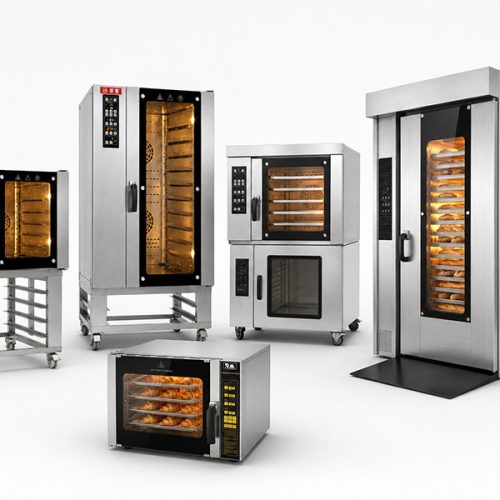
- Commercial Convection Ovens — for pastry, rolls and light bakery products baked after proofing.
Contact R&M Machinery for specifications, pricing and capacity details on our full range of dough proofers — including bakery proofers, retarder proofers and commercial bread proofers for pizza shops, artisan bakeries and industrial bread production.
Regular cleaning keeps the proofing chamber hygienic and prevents mould growth between batches — wipe down the interior walls and door seals daily with food-safe sanitiser. Check the water reservoir before each shift and refill it with fresh water so humidity readings stay accurate. With this simple daily routine, a commercial dough proofer will hold stable proofing conditions for years, keeping every batch consistent. Following these steps, operators consistently achieve the even rise and soft crumb that professional bread and pizza production requires.