



What Is a Convection Oven? How It Works in a Commercial Bakery.html
A convection oven uses one or more internal fans to circulate hot air continuously around the food during baking. Unlike a conventional static oven — where heat rises from a single source and creates temperature variations between top and bottom — a commercial forced-air oven produces a uniform, even heat environment across every rack position. This forced-air circulation reduces baking time by 20–30% and delivers more consistent browning, rise and texture across the entire load.
This video introduces R&M’s range of convection ovens for commercial bakery, restaurant and catering use — covering how the convection mechanism works, what products benefit most from convection baking, and how to choose the right configuration for your operation.
Convection Oven vs Conventional Oven: Key Differences
The fundamental difference between a convection oven and a conventional oven is airflow. In a conventional static oven, heat is generated at the top, bottom or sides of the chamber and relies on natural convection — hot air rising, cooler air settling — to distribute heat. This creates temperature gradients across the oven that cause uneven baking, particularly on the top and bottom racks.
A convection oven eliminates this by using a fan — sometimes combined with a rear heating element — to force hot air around and through the food at consistent velocity. The result is a more stable temperature throughout the entire chamber, faster heat transfer to the food surface, and more even browning without rotating pans manually.
Gas Convection Oven vs Electric Convection Oven
Commercial fan-forced ovens are available in gas and electric models, each suited to different operational environments:
- Gas forced-air oven — heated by LPG or natural gas burners with fan-forced air circulation; faster heat recovery between baking cycles; lower running cost in regions with affordable gas supply; widely used in commercial bakeries and restaurant kitchens in Africa, the Middle East and Asia.
- Electric fan-assisted oven — uses electric elements with fan circulation; more precise temperature control; cleaner operation with no combustion gases; the standard choice for bakeries and pastry kitchens where precise, programmable baking conditions are required.
- Steam fan oven — combines convection fan baking with steam injection; allows bakers to control crust development on bread and rolls; widely used in bakery fan oven applications for artisan bread, baguettes and croissants.
Countertop Convection Oven vs Full-Size Commercial Convection Oven
The right oven size depends on your production volume and available kitchen space:
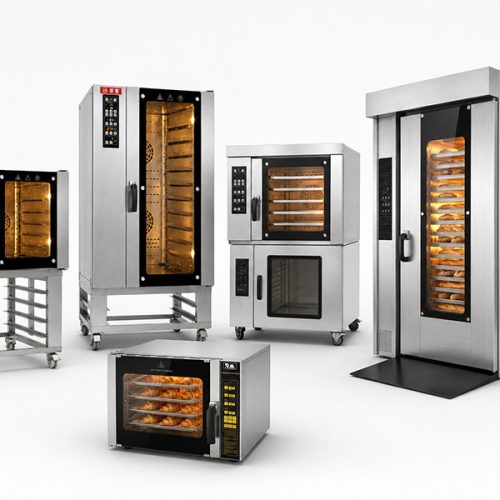
- Countertop fan oven — compact unit designed to sit on a work surface; 4–10 tray capacity; suitable for small bakeries, café kitchens and pastry shops with limited floor space; the most affordable entry point into commercial convection baking.
- Full-size commercial fan oven — freestanding unit; 10–20 tray capacity; designed for continuous multi-shift production in commercial bakeries, restaurant central kitchens and catering operations.
- Double stack fan oven — two oven units stacked vertically; doubles capacity without increasing floor footprint; common in high-volume restaurant convection oven and bakery installations.
What Can You Bake in a Commercial Convection Oven?
The commercial forced-air oven is especially effective for products that benefit from even surface browning and consistent internal temperature development:
- Convection oven for baking pastry and cookies — the forced-air circulation produces even, golden browning across multiple trays simultaneously without rotating; critical for consistent results in high-volume pastry production.
- Bread rolls, buns and dinner rolls — convection heat ensures consistent browning on all sides; steam injection versions allow crust control for artisan products.
- Cakes and sponges — even heat distribution from the convection fan produces uniform rise and colour across the full batch.
- Croissants and laminated pastry — consistent temperature across all rack levels ensures even butter-layer development and flaky texture throughout the load.
- Roasting and grilling — the convection fan circulates heat around poultry, meat and vegetables for faster, more even cooking in restaurant kitchen applications.
- Pizza — convection baking produces crispy bases and evenly melted toppings when combined with appropriate tray types.
Explore R&M Commercial Convection Ovens
R&M manufactures a full range of commercial forced-air ovens for bakeries, restaurants, hotels and catering operations. Browse our product range below or contact our team for specifications and pricing:
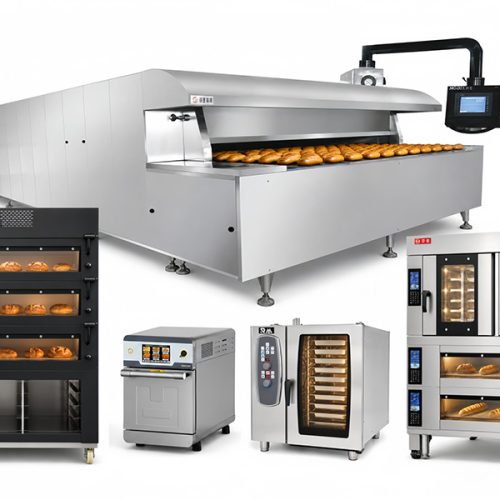
- 10-Tray Electric Convection Oven — full-size commercial electric convection oven for bakery and pastry production; digital temperature control; CE certified.
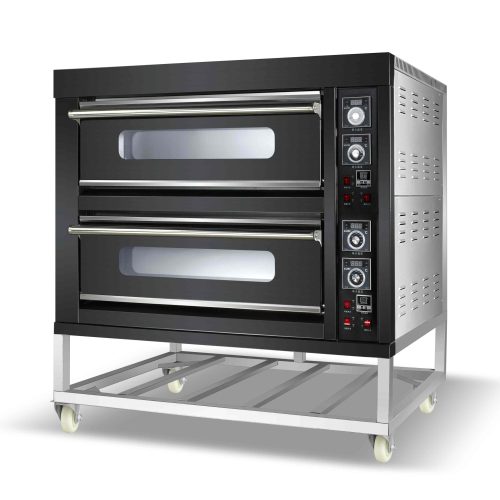
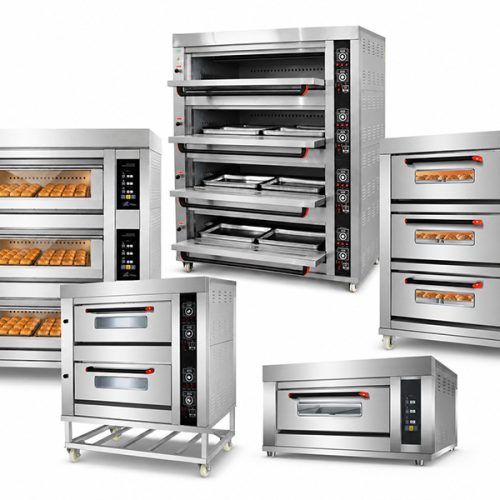
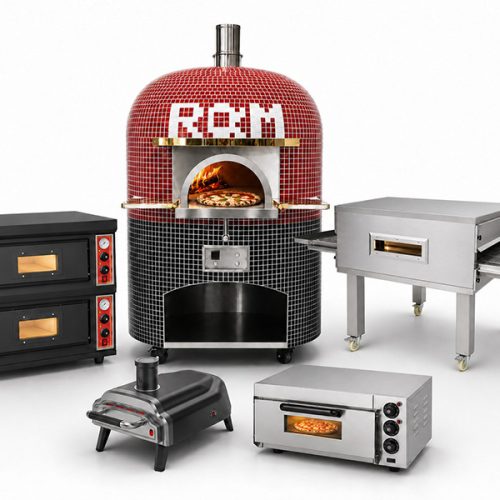
- Commercial Deck Ovens — stone-deck baking ovens for bread, pizza and artisan bakery products; complements convection ovens in a complete bakery equipment setup.
- Gas Deck Ovens — LPG and natural gas deck ovens for commercial bakeries and pizza shops.
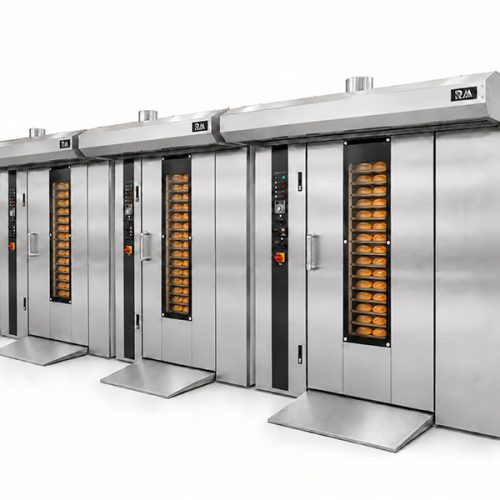
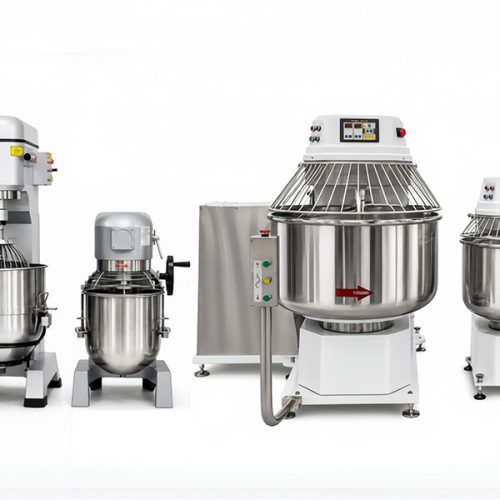
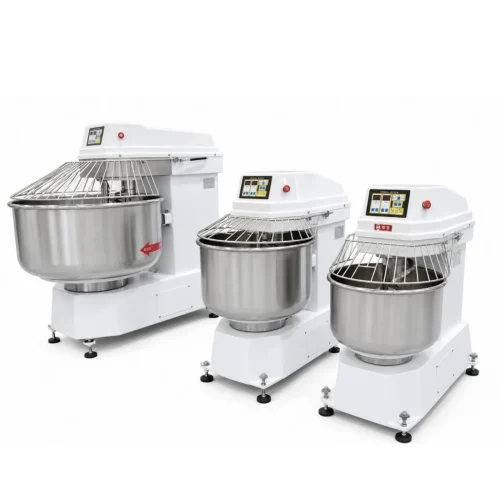
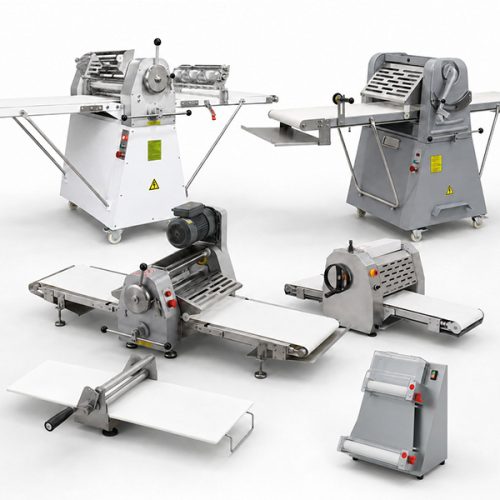
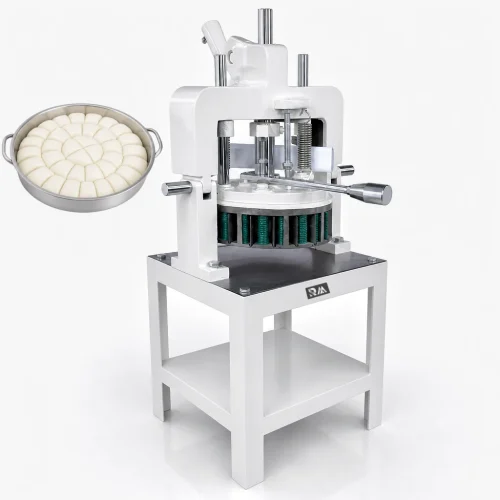
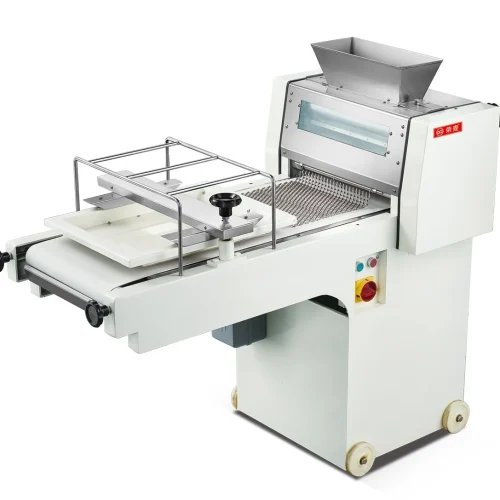
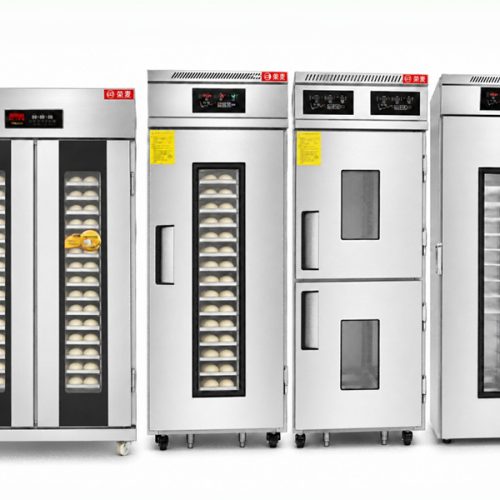
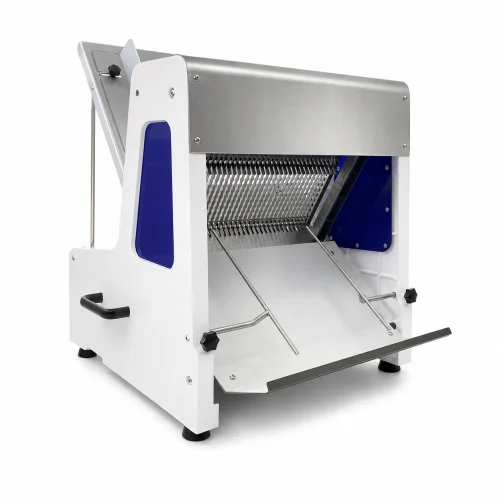
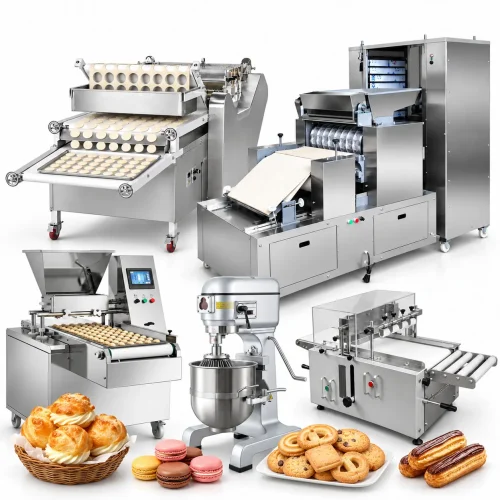
- Full Bakery.html Equipment Range — spiral mixers, dough dividers, proofers, rotary ovens and complete bakery production lines.
Contact R&M Machinery to request specifications, pricing and configuration options for our commercial convection ovens — including electric fan ovens, gas forced-air ovens, countertop fan ovens and steam fan ovens for bakeries, restaurants and catering operations worldwide. Add an external reference: learn more about how convection ovens work.