


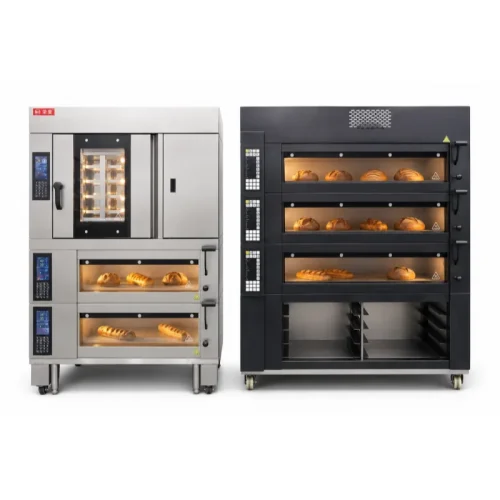
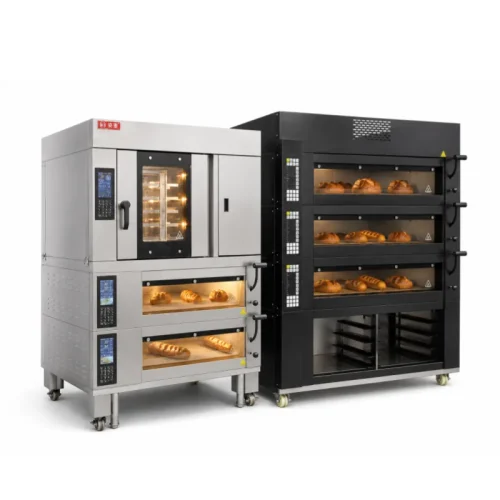
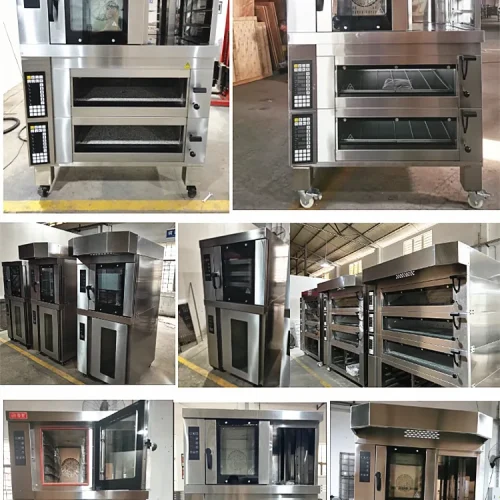
European-Style Artisan Bread Oven Series | R&M
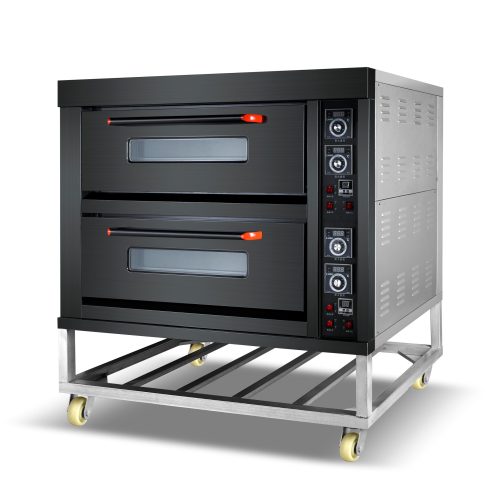
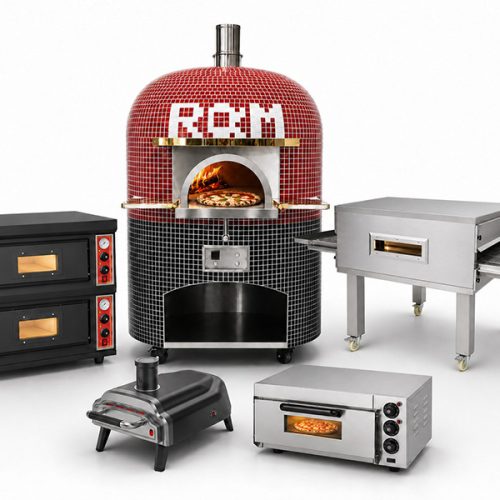
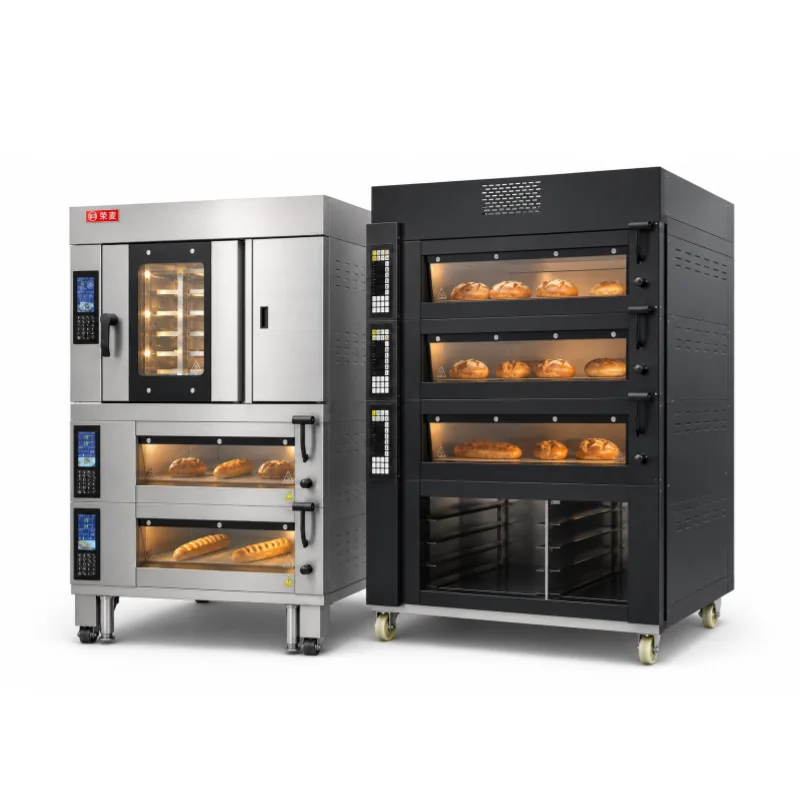
R&M European-style artisan bread oven series: electric deck ovens with 1–4 decks, 400 × 600 mm tray format, 0–300°C, independent top and bottom heat per deck. Compact 2-tray and wide 3-tray chambers available. Optional stone deck, steam injection, convection combination and proofer. Stand, cabinet and oven loader configurations available. Factory-direct — send your tray capacity, products and voltage for a configuration recommendation.
Request a Quote
Enter the quantity you need and add to your quote list for pricing inquiries.
Detalles del producto
ONE SERIES, SEVERAL PRODUCTION FORMATS · 400 × 600 mm TRAY · UP TO 300°C · STEAM-READY

European-Style Artisan Bread Oven Series
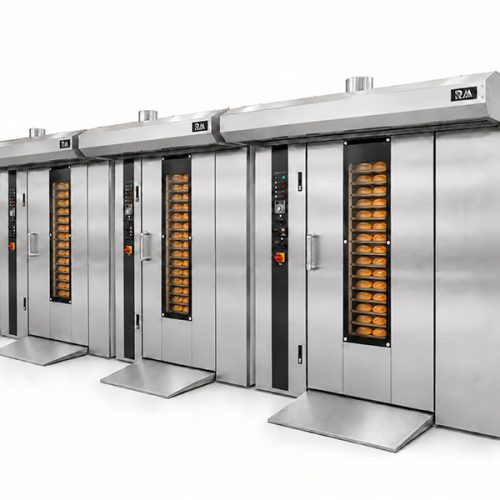
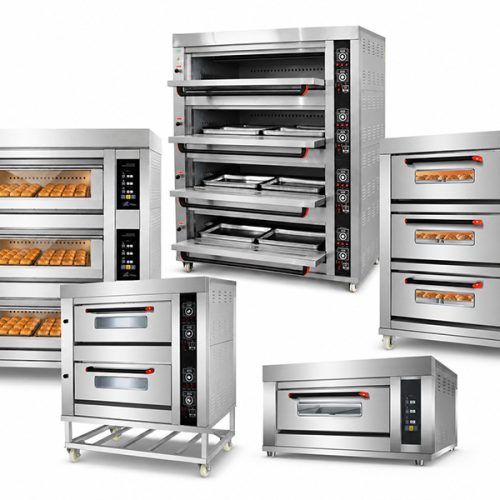
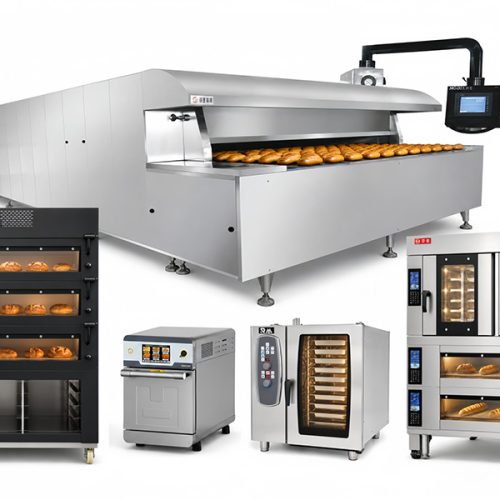
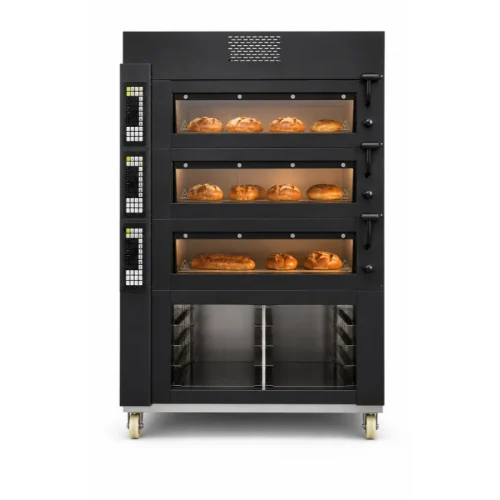
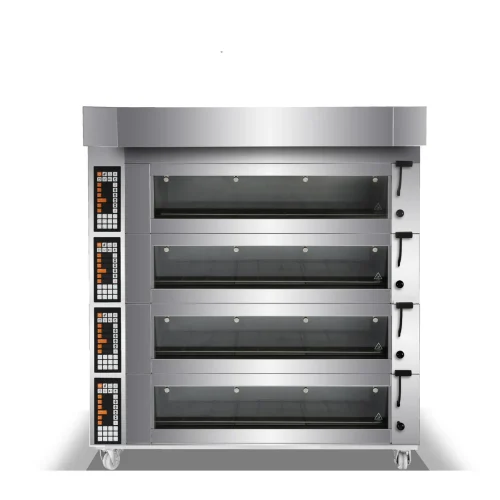
This electric artisan bread oven range is designed for bakeries that need strong bottom heat, controlled top color and repeatable steam-assisted baking. It covers compact two-tray decks, wider three-tray chambers and multi-deck production models, giving buyers a practical route from a small bread shop to an established artisan bakery.
An artisan’s oven has to give the baker useful control, not just a high maximum temperature. This is an oven for bread production where deck response, steam timing, loading height and batch recovery all affect the finished loaf.
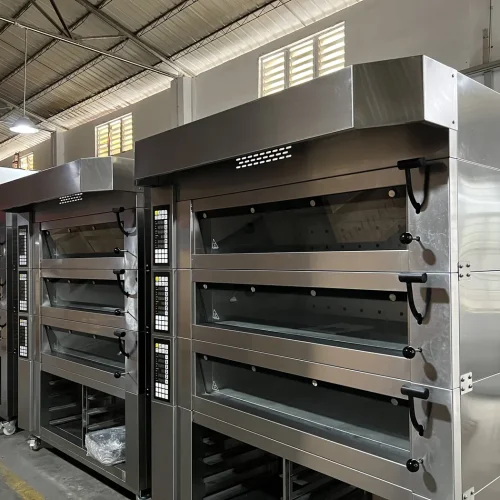
Each deck is controlled as an individual baking zone. Top heat, bottom heat and baking time can be adjusted to suit the product rather than forcing every loaf through one general setting. With the appropriate deck surface and steam package, the same platform can be specified as a sourdough oven, French bread oven or general commercial bread oven for daily mixed production.
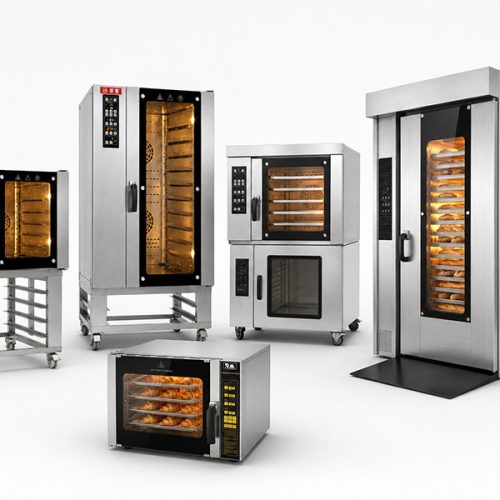
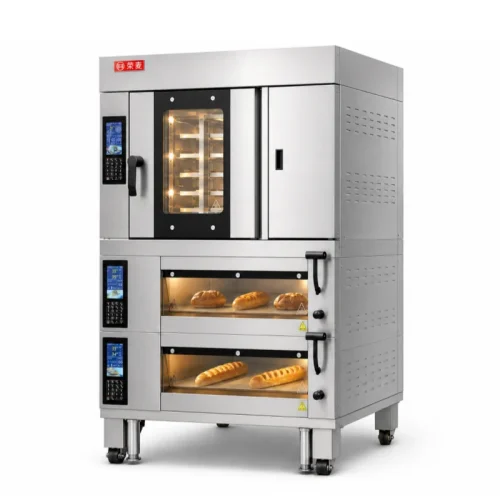
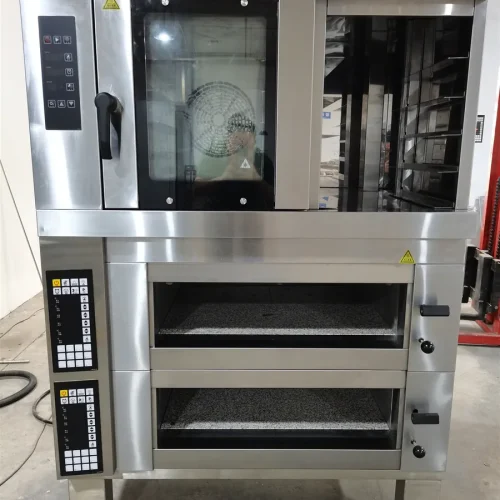
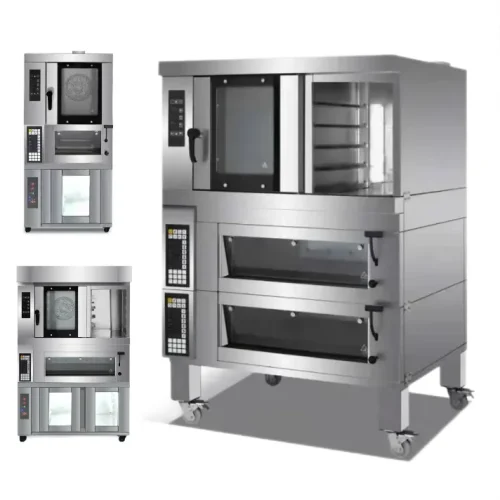
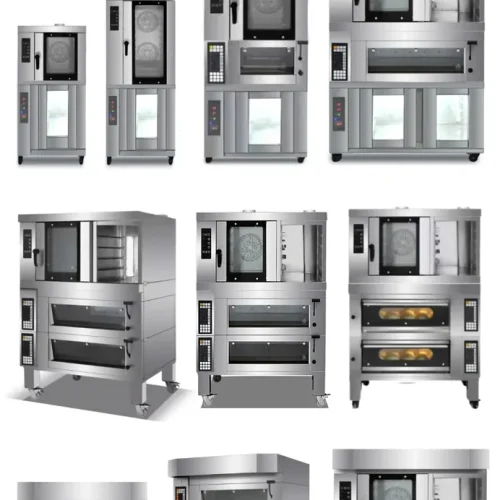
For kitchens that also produce pastries, buns, cookies or tray-baked products, combination models place a convection oven above or below the deck section. This keeps two baking methods in one footprint while preserving the direct deck heat required for crust-focused bread.
Why Bakers Choose an Artisan Bread Oven
Separate control of top and bottom heat
Independent upper and lower heating settings make it easier to balance crust development, base color and internal bake. Bakers can apply more floor heat to hearth loaves, reduce top color for long-fermented dough, or adjust both zones when changing from baguettes to enriched bread.
A stable baking chamber for consistent batches
Wave-shaped electric elements increase the heated surface beneath and above the deck. Their layout is designed to distribute energy across the chamber and recover heat after loading. The controller uses PID-based temperature management, helping the oven hold the selected setting instead of cycling through large temperature swings.
Steam when the product needs it
Selected models can be supplied as a commercial bread oven with steam. Timed spray and steam controls introduce moisture at the start of the bake, supporting clean scoring, better oven spring and a thinner, crisper crust. The available setup may be described as a bread oven with steam, a steam bread oven or a steam injection deck oven; the final water connection and steam package are confirmed with the ordered configuration.
Programs that reduce setup work
The microcomputer controller can store staged baking settings. A program may combine upper heat, lower heat, baking time and spray time across as many as five segments. This is useful when a product needs a hotter loading stage followed by a gentler finishing stage. Manual operation remains available for bakers who prefer to adjust the oven during the bake.
Designed for daily bakery use
The stainless-steel outer panels are easy to wipe and give the oven a clean commercial finish. Heat-reflective toughened door glass improves visibility while limiting radiant heat at the front. A cool-touch handle, adjustable exhaust path and over-temperature protection support safer routine operation. Electrical contactors and control components are selected for repeated high-temperature service.
Deck Oven Models
All listed deck models are electric, use 400 × 600 mm trays and have a published operating range of 0–300°C. Standard electrical data is 380 V / 50 Hz unless stated otherwise. Stand or cabinet selection changes the installed height and may affect the final weight.
Compact two-tray-per-deck models
| Modelo | Configuracion | Overall size (mm) | Chamber (mm) | Potencia | Net weight |
|---|---|---|---|---|---|
| RMO-24 | 2 decks / 4 trays | 1300 × 1140 × 1180 | 840 × 750 × 235 per deck | 11.2 kW | 250 kg |
| RMO-36 | 3 decks / 6 trays | 1300 × 1260 × 2090 | 840 × 750 × 235 per deck | 16.8 kW | 380–420 kg* |
| RMO-48 | 4 decks / 8 trays | 1300 × 1260 × 1900 | 840 × 750 × 235 per deck | 22.4 kW | 520 kg |
Wide three-tray-per-deck models
| Modelo | Configuracion | Overall size (mm) | Chamber (mm) | Potencia | Net weight |
|---|---|---|---|---|---|
| RMO-13 | 1 deck / 3 trays | 1690 × 1140 × 670 | 1240 × 750 × 235 | 8 kW | 135 kg |
| RMO-26 | 2 decks / 6 trays | 1690 × 1140 × 1180 | 1240 × 750 × 235 per deck | 16 kW | 280 kg |
| RMO-39 | 3 decks / 9 trays, compact-height | 1690 × 1140 × 1540 | 1240 × 750 × 235 per deck | 24 kW | 350 kg |
| RMO-39 | 3 decks / 9 trays, tall-base | 1690 × 1260 × 2090 | 1240 × 750 × 235 per deck | 24 kW | 380 kg |
| RMO-214 | 4 decks / 12 trays | 1690 × 1260 × 1900 | 1240 × 750 × 235 per deck | 32 kW | 540 kg |
Additional high-capacity configuration
| Modelo | Configuracion | Overall size (mm) | Chamber | Potencia | Net weight |
|---|---|---|---|---|---|
| RMO-312 | 3 decks / 12 trays | 1690 × 1460 × 2090 | 840 × 750 × 235 per deck* | 24 kW | 380 kg |
*RMO-36 is shown with different net weights for different base arrangements. The published RMO-312 chamber dimension will be reconfirmed on the final drawing. R&M confirms the final layout, chamber clearances, weight and installation drawing before the order is released.
REQUEST A DECK OVEN CONFIGURATION →
Deck and Convection Combination Models
A combination unit is useful when one production area needs both direct deck heat and forced-air baking. The deck handles sourdough, baguettes, pizza and hearth-style products, while the convection section supports pastries, cookies, buns and other tray work. These combinations reduce the number of separate machines without asking one chamber to perform two different jobs.
| Configuracion | Overall size (mm) | Deck chamber | Potencia | Net weight | Supply |
|---|---|---|---|---|---|
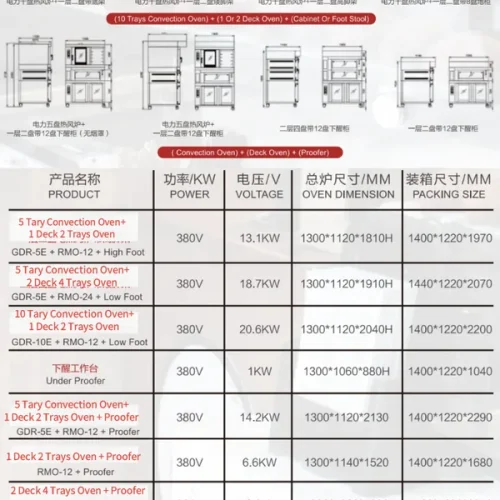
| 1 deck / 2 trays + 5-tray convection oven | 1300 × 1140 × 1428 | 840 × 750 × 235 mm | 13.1 kW | 270 kg | 380 V / 50 Hz |
| 2 decks / 4 trays + 5-tray convection oven | 1300 × 1140 × 1880 | 840 × 750 × 235 mm per deck | 18.7 kW | 380 kg | 380 V / 50 Hz |
| 1 deck / 2 trays + 10-tray convection oven | 1300 × 1140 × 1840 | 840 × 750 × 235 mm | 20.6 kW | 200 kg* | 380 V / 50 Hz |
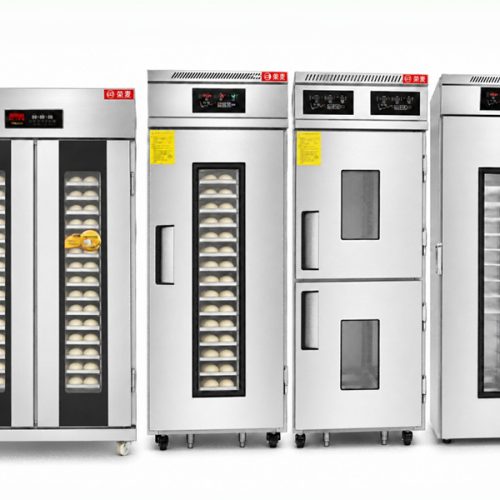
| 5-tray convection + shelf + 1 deck / 2 trays + 12-tray proofer | 1300 × 1140 × 2130 | 840 × 750 × 235 mm | 14.2 kW | 350 kg | 380 V / 50 Hz |
The 10-tray base proofer is listed separately at 1300 × 1060 × 900 mm, 1 kW, 80 kg and 220 V / 50 Hz. *Combination-model weights and component order will be reconfirmed on the final drawing.

Choose the Baking Surface and Steam Package
A standard metal deck is practical for general tray production. For crusty hearth bread, selected chambers can be built as a stone deck oven. The baking stone stores heat and transfers it directly into the base of the dough, supporting stronger oven spring and a well-developed bottom crust.
For buyers selecting an oven for baking bread with long fermentation, the stone-and-steam configuration can also serve as a dedicated sourdough bread oven while retaining the flexibility to bake baguettes, rye loaves and pizza.
An electric stone bread oven is especially useful for naturally leavened loaves, rye bread, country bread and pizza. When both stone and timed steam are specified, the oven becomes an effective artisan bread deck oven for bakeries that want repeatable crust and scoring without moving to a larger tunnel or rotary system.
Steam is not equally important for every product. Lean dough normally benefits from steam early in the bake, while cookies, cakes and many enriched products need a drier chamber. R&M therefore confirms the steam generator, water inlet, drainage and control sequence according to the products and local water conditions.
Base, Cabinet and Oven Loader Options
- High stand: raises the lowest deck to a comfortable loading height and leaves open storage below.
- Low stand: keeps a multi-deck oven at a manageable overall height where ceiling clearance or loader access is limited.
- Base cabinet: provides enclosed storage for trays, tools or baking accessories and gives the installation a finished appearance.
- Lockable casters: allow positioning for cleaning and service; the machine must be level and secured before operation.
- Oven loader preparation: available on selected chamber widths and layouts. The loader, loading board, deck height and front working clearance must be matched as one system.
Loader compatibility note: Do not select an oven loader from chamber width alone. Send the tray or loading-board dimensions, product weight, required deck height and bakery layout so the interface can be checked before production.
What This Oven Bakes Best
| Producto | Recommended Setup | Reason |
|---|---|---|
| Sourdough and country loaves | Stone deck + timed steam | Direct floor heat supports the base; early steam improves expansion and scoring. |
| Baguettes and French bread | Deck oven with steam injection | Controlled humidity and separate top/bottom heat support a thin crust and even color. |
| Rye and multigrain bread | Stone or metal deck, moderate staged heat | Independent zones help prevent excessive top color during a longer bake. |
| Pizza and flatbread | Stone deck, higher bottom heat | Stored deck energy promotes fast base development. |
| Buns, cookies and pastries | Convection section or metal deck | Forced air suits repeated tray loads; deck heat remains available for products that need it. |
Installation and Utility Requirements
- The oven must be installed by a qualified electrician in a well-ventilated bakery. Confirm voltage, phase, frequency, cable size, breaker capacity, protective earth and local electrical protection before shipment.
- Keep the service clearances shown on the final drawing; the supplied manual calls for at least 300 mm on the right and 200 mm at the rear and left unless the project drawing states otherwise.
- Connect the exhaust outlet to an approved metal duct or bakery ventilation system. Do not use plastic exhaust pipe.
- Confirm water quality, inlet pressure, filtration and drainage when steam or spray is ordered.
- Place the oven on a level, non-combustible floor and lock the casters after positioning.
- Allow the chamber to cool and isolate electrical power before cleaning or service. Do not wash the oven with a direct water jet or corrosive cleaner.
- Keep the air damper, heating elements, sensors, contactors, glass and door seals in the planned maintenance schedule.

Preguntas frecuentes
Which model suits a small artisan bakery?
Start with the normal tray load, not the largest possible capacity. RMO-24 suits a compact shop that needs four 400 × 600 mm trays across two independent decks. RMO-13 is better when one wider three-tray deck and a lower overall height are more useful. Share the daily loaf count and batch schedule so heating capacity can be checked against production.
When should I choose a deck-convection combination?
Choose the combination when bread is only part of the menu and the same kitchen also produces pastries, buns, cookies or other fan-baked items. A deck-only model is normally the better choice when most production is crusty bread and every chamber needs direct floor heat.
Can the oven be supplied with a stone deck?
Yes, selected models can be configured as an artisan deck oven with a baking-stone surface. Confirm the product range, preferred loading method and deck dimensions so the stone specification and heating balance can be matched to the application.
Is steam standard on every model?
Steam and spray functions depend on the selected controller and chamber package. If you need a bread oven with steam injection, specify the number of steam-enabled decks, water conditions and desired injection sequence when requesting a quotation.
Can I use an oven loader?
An oven loader is available for selected configurations. Compatibility depends on chamber width, deck height, stand choice, loading-board size and the clear space in front of the oven. These dimensions are checked together on the approved layout.
What determines the bread oven price?
The final price depends on the model, number of decks, chamber width, stone or metal baking surface, steam system, controller, stand or cabinet, loader preparation, electrical standard and packing. Send the destination and required options for a comparable quotation.
What information is needed before production?
Provide the model or target tray capacity, products, tray size, voltage and phase, steam requirement, preferred base, available doorway and installation dimensions. R&M will return an order-specific specification and drawing for approval.
Request a Configuration
Tell us what you bake, how many 400 × 600 mm trays you need per batch and whether you require stone decks, steam, convection, a bakery proofer or an oven loader. We will recommend the chamber arrangement and confirm utilities, dimensions and packing before quotation.