



What Is a Deck Oven? How It Works in a Commercial Bakery.html
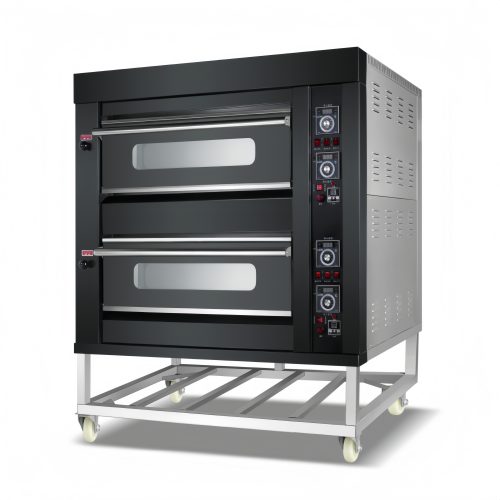
A deck oven — also called a stone hearth oven or deck baking oven — is a commercial baking oven in which baking surfaces — called decks — are arranged in horizontal layers within a single oven structure. Each deck is an independent baking chamber with its own heating elements and temperature control, allowing the baker to bake different products simultaneously at different temperatures. This makes it one of the most versatile and widely used commercial baking ovens in professional bakeries, pizza shops, hotels, restaurants and catering operations worldwide.
How Does a Deck Oven Work?
The stone hearth oven heats the baking surface — typically a thick stone, ceramic or steel plate — from below using either gas burners or electric heating elements. Top heat is applied through radiant elements or infrared tubes above each deck. This combination of bottom heat from the deck surface and top radiant heat creates the intense, direct baking environment — similar to a traditional stone hearth oven — that produces the characteristic thick crust and open crumb structure associated with professional bread and pizza.
Most commercial baking ovens include a steam injection system — often called a steam-injected baking oven — that releases bursts of steam at the beginning of the bake cycle. This steam prevents the outer crust from setting too early, allowing the dough to expand fully before the crust hardens, producing the glossy, blistered surface typical of artisan bread and baguettes.
Gas Deck Oven vs Electric Deck Oven: Key Differences
The two main fuel options for a bakery oven each have distinct operational advantages:
- Gas models — heated by LPG or natural gas burners; faster heat recovery between loads; lower running cost in regions with affordable gas supply; widely used in commercial bakeries and pizza shops in Africa, the Middle East and Asia.
- Electric models — uses electric heating elements on the top and bottom of each deck; more precise independent temperature control per deck; cleaner operation with no combustion; preferred where gas supply is unavailable or where precise control of top and bottom heat is critical.
Single Deck, Double Deck and 3 Deck Oven Configurations
Bakery.html ovens are available in single, double and multi-deck configurations to match different production volumes and kitchen footprints:
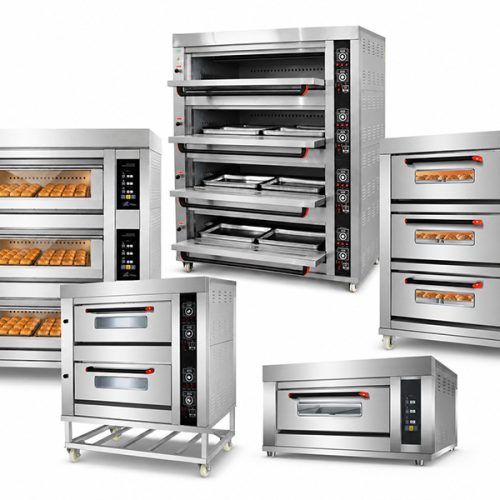
- Single deck oven — one baking chamber; compact footprint; suitable for small bakeries, café kitchens and low-volume pizza operations.
- Double deck oven — two stacked baking chambers with independent controls; doubles capacity without increasing floor space; the most common configuration for small-to-medium commercial bakeries.
- 3 deck oven — three independent chambers; high-volume bread and pizza production; widely used in commercial bakeries running continuous production shifts.
- 4-deck configurations — for large-scale industrial bakery production, typically with 4–12 trays per deck.
Deck Oven for Bread, Pizza and Bakery.html: Applications
The bakery oven is the preferred choice for products that benefit from direct heat contact with the baking surface and the ability to use steam injection:
- Bread ovens — the direct heat from the stone or steel deck creates the thick bottom crust and open crumb structure essential for artisan loaves, baguettes and sourdough.
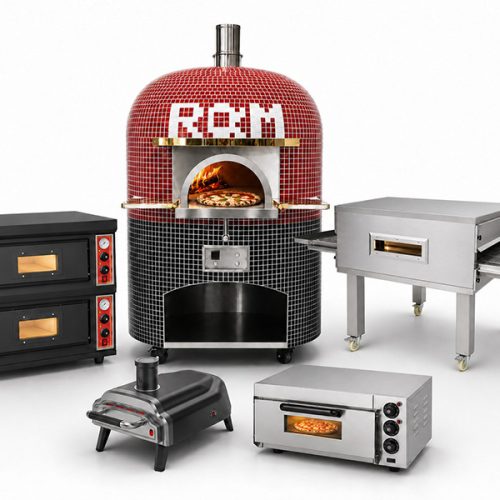
- Pizza deck oven — the high-temperature deck surface (up to 300°C+) replicates the heat of a traditional stone-floor pizza oven, producing crispy bases and evenly melted toppings.
- Pastries, croissants and laminated dough — precise top and bottom heat control prevents over-browning.
- Cakes and sponges — gentle, even heat from the deck surface produces consistent rise and texture.
- Flatbread, pita and focaccia — direct deck contact cooks the base quickly for the correct texture.
Deck Oven vs Rotary Oven: Which Is Right for Your Bakery.html?
Both the stone hearth oven and the rotary rack oven are standard equipment in commercial bakeries, but they serve different production needs:
- Stone hearth oven: better for mixed-product bakeries running different items at different temperatures; essential for artisan bread requiring steam and direct deck heat; lower entry cost per unit.
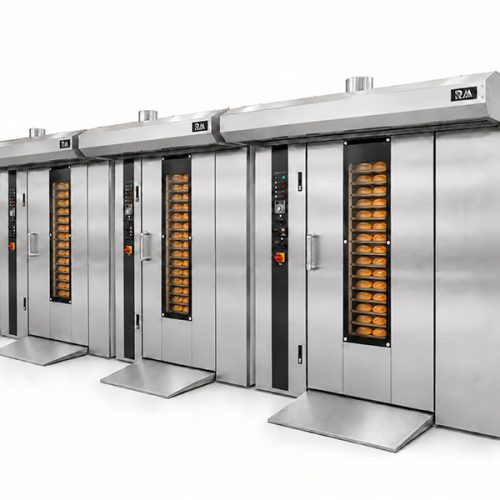
- Rotary rack oven: better for high-volume uniform production of one product type; single operator loads an entire rack in one step; more consistent output at scale.
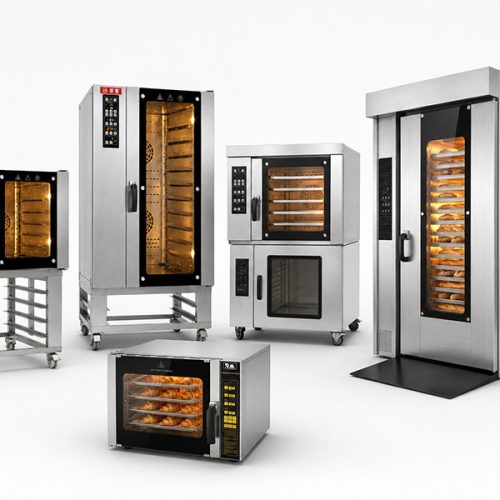
For many commercial bakeries, the ideal setup combines both: a 3 deck oven for artisan bread, pizza and specialty products, and a rotary oven for high-volume uniform items like rolls, buns and sliced bread.
Related Bakery.html Equipment
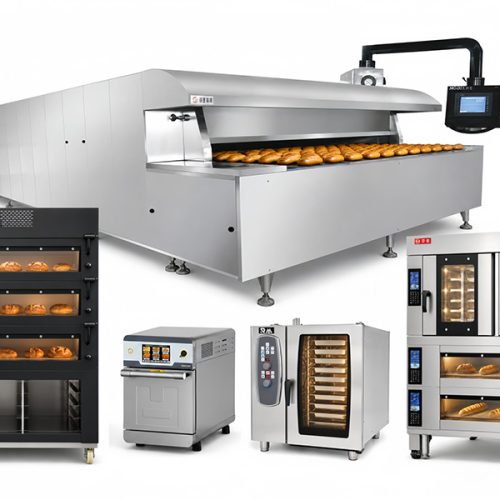
- Commercial Deck Ovens — double and triple deck electric and gas ovens; full specifications and configurations available.
- Gas Deck Ovens — LPG and natural gas deck ovens for bakeries and pizza shops; single, double and triple deck.
- Hornos de convección profesionales — forced-air ovens for pastry, cookies and light bakery items.
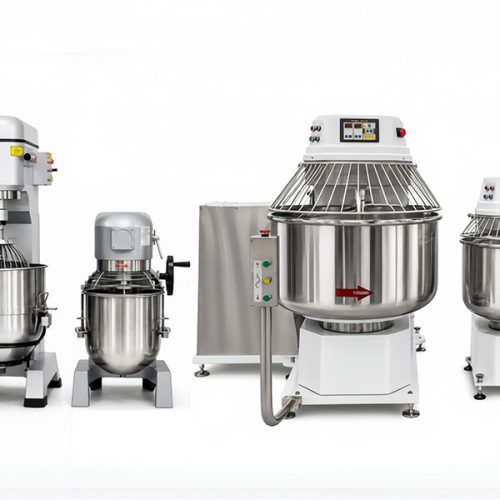
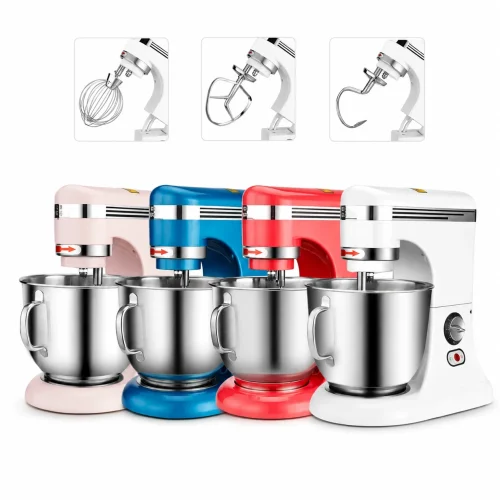
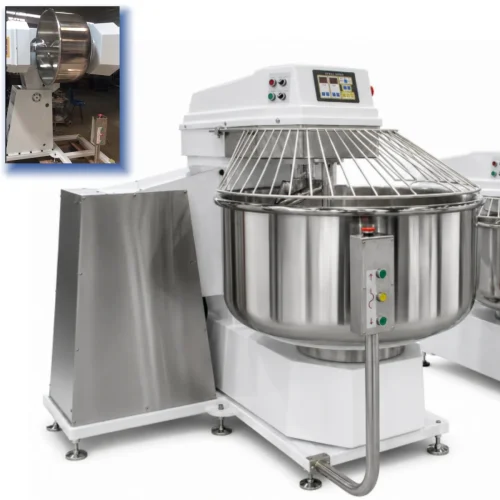
- Spiral Dough Mixers — industrial dough mixers for bread and pizza dough; used upstream of the baking oven in a complete production line.
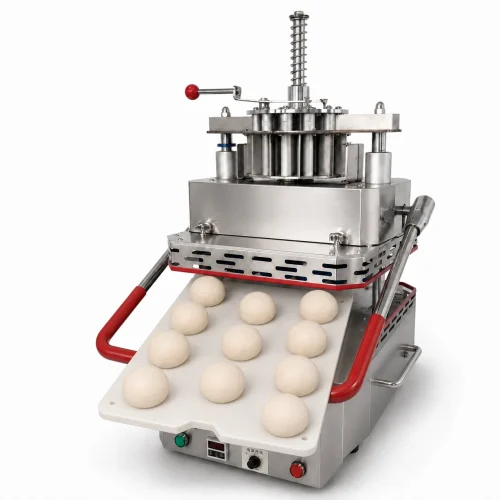
- Dough Dividers and Rounders — automated portioning equipment for consistent dough pieces before baking.
Contact R&M Machinery for full specifications, pricing and configuration options on our range of deck ovens — including single, double, gas and electric configurations and 3 deck ovens with steam injection for commercial bakeries and pizza shops worldwide.