



Complete Commercial Bakery.html Shop Equipment Solution
Build a practical bakery shop equipment list around your menu, workflow, available space and utilities — from a compact startup bakery to an industrial bread plant. R&M helps you plan the right equipment for bakery production, whether you need a machine for bakery startup or a full commercial bakery equipment package.
Menu-Based Selection
Flexible equipment packages with export and technical support.
فئات معدات المخابز التجارية
Six large category cards route buyers to the relevant bakery equipment pages. The image, title and button remain visually editable in Elementor.

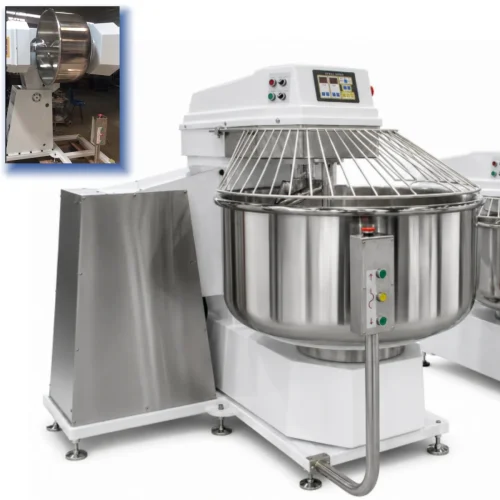
Commercial Bakery.html Mixers
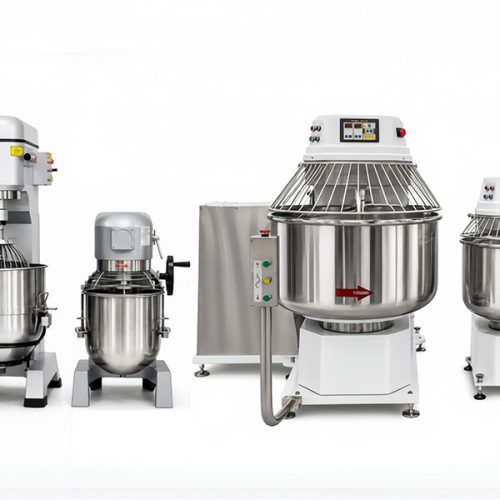
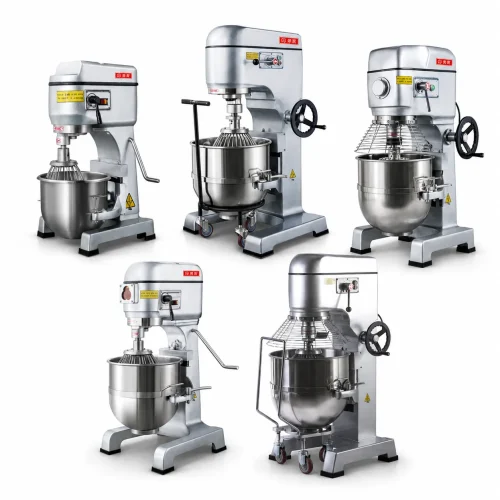
Spiral and planetary mixers for bread dough, cake batter, cream, cookies and fillings.

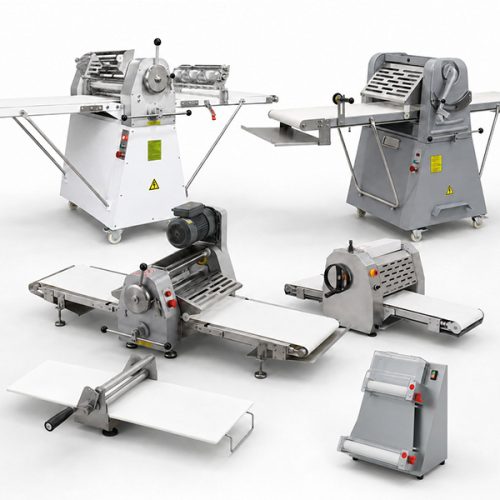
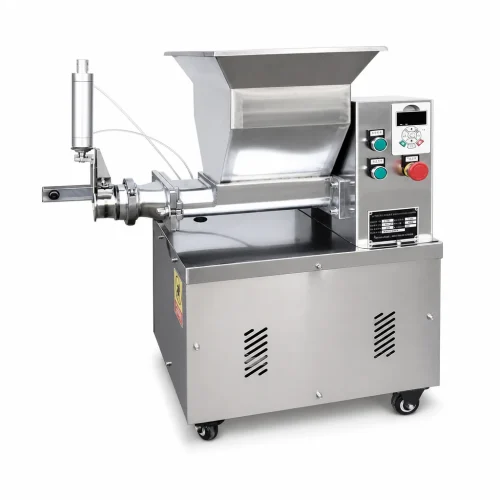
Dough Dividing & Forming
Divider, rounder, moulder, roller and sheeter options matched to product weight and shape.
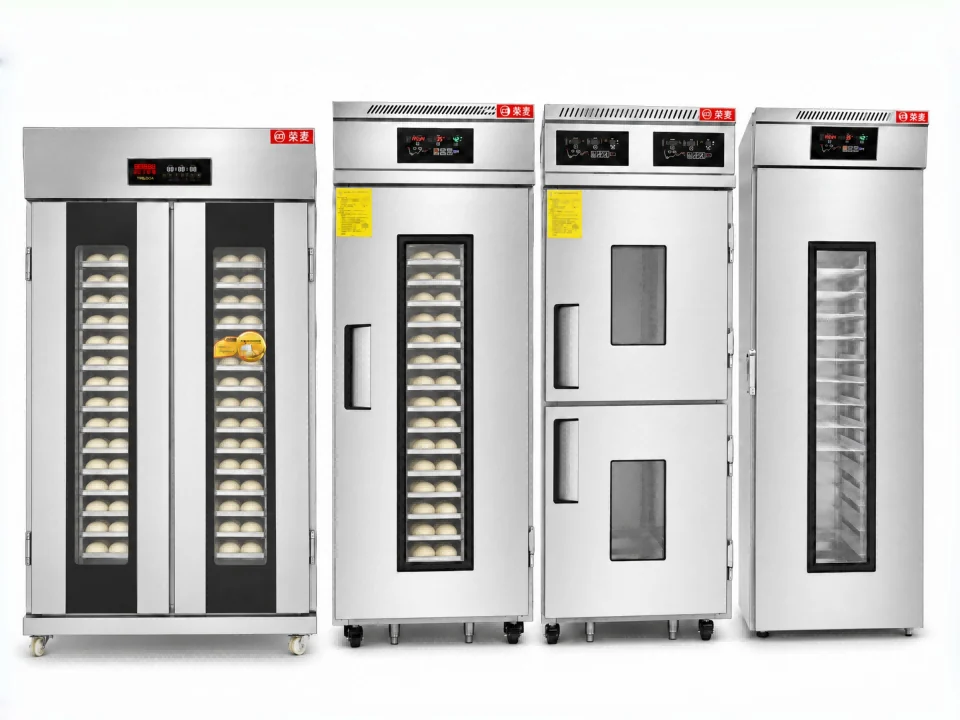
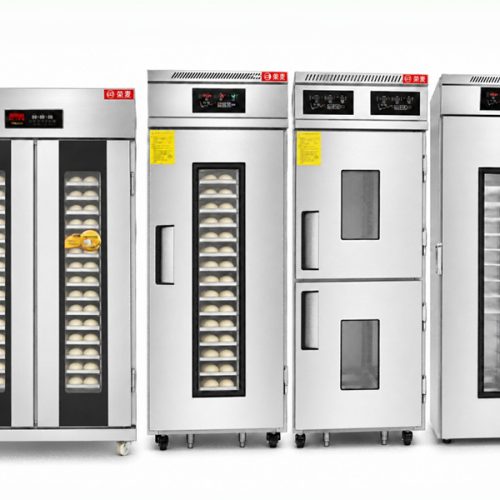
Dough Proofers
Cabinet, rack and retarder proofer configurations for controlled fermentation and scheduling.
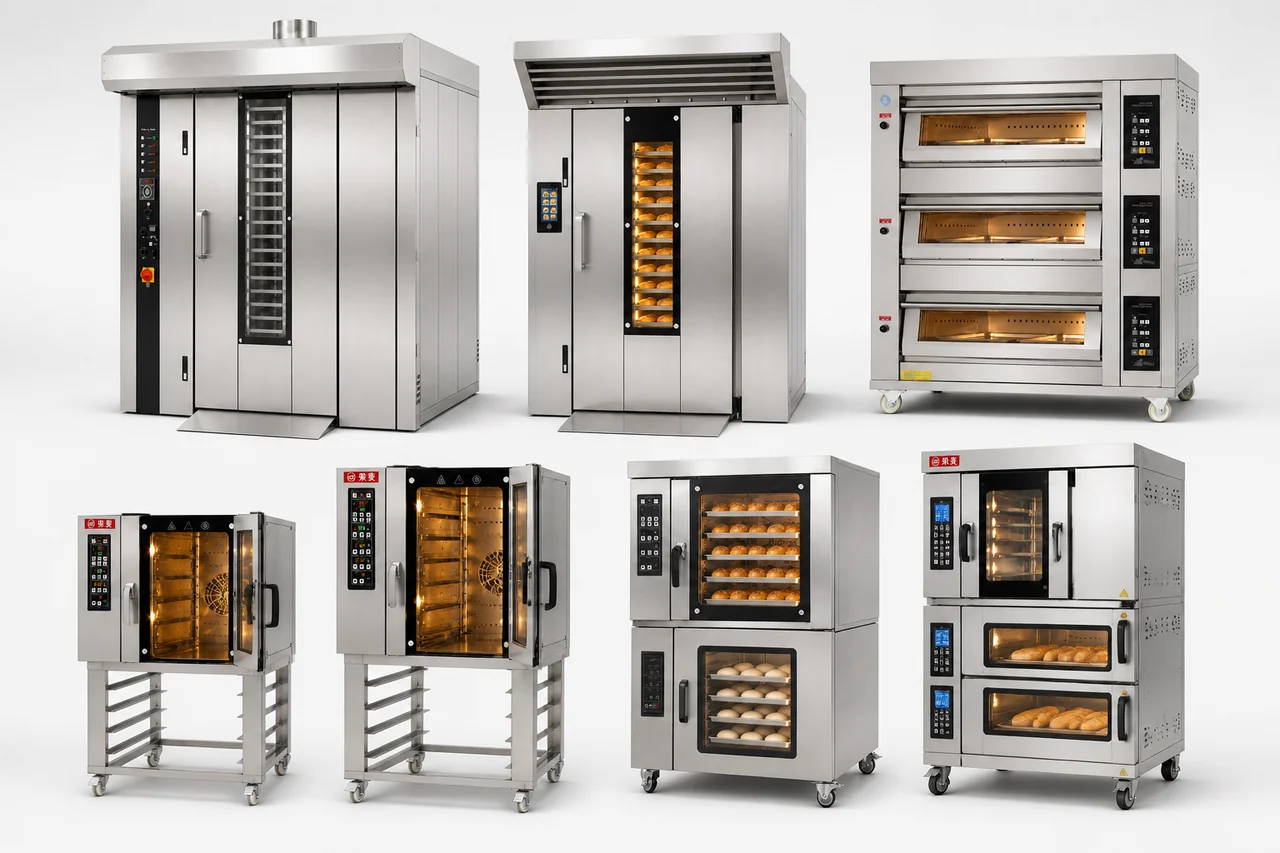
أفران المخابز التجارية
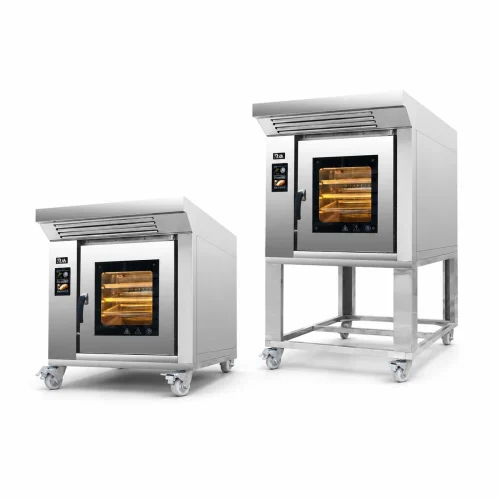
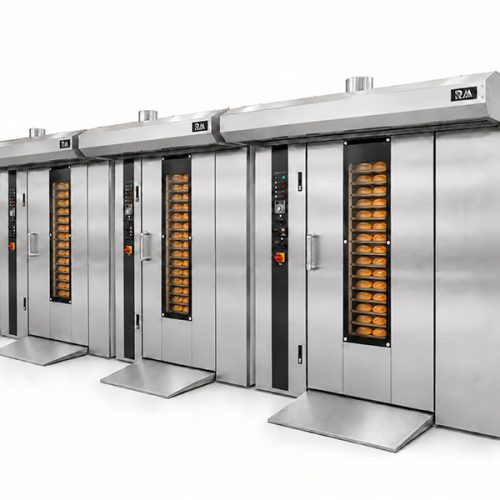
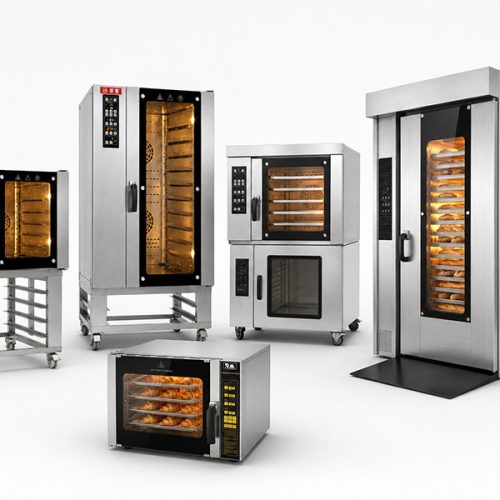
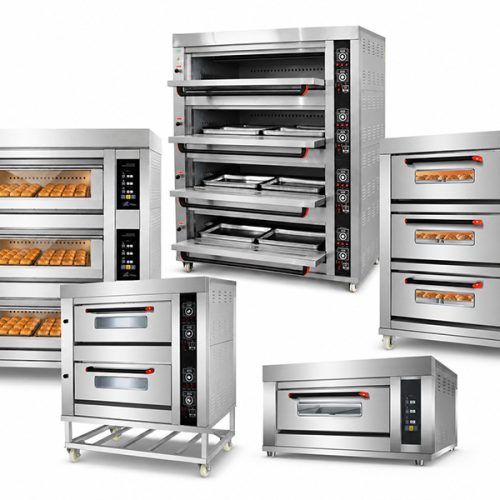
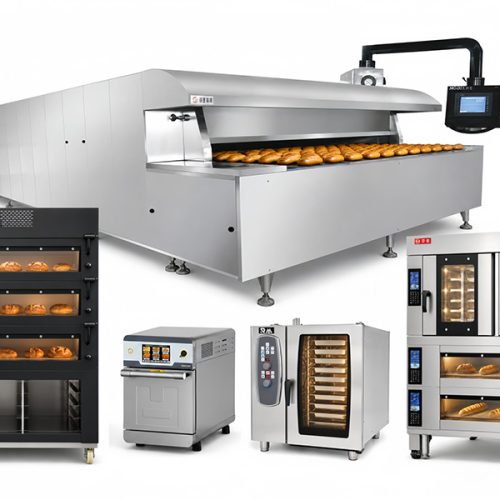
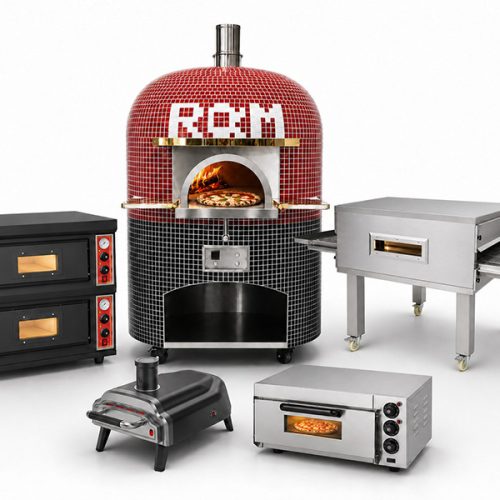
Deck, convection, rotary rack and tunnel baking options selected by product, tray and cycle.
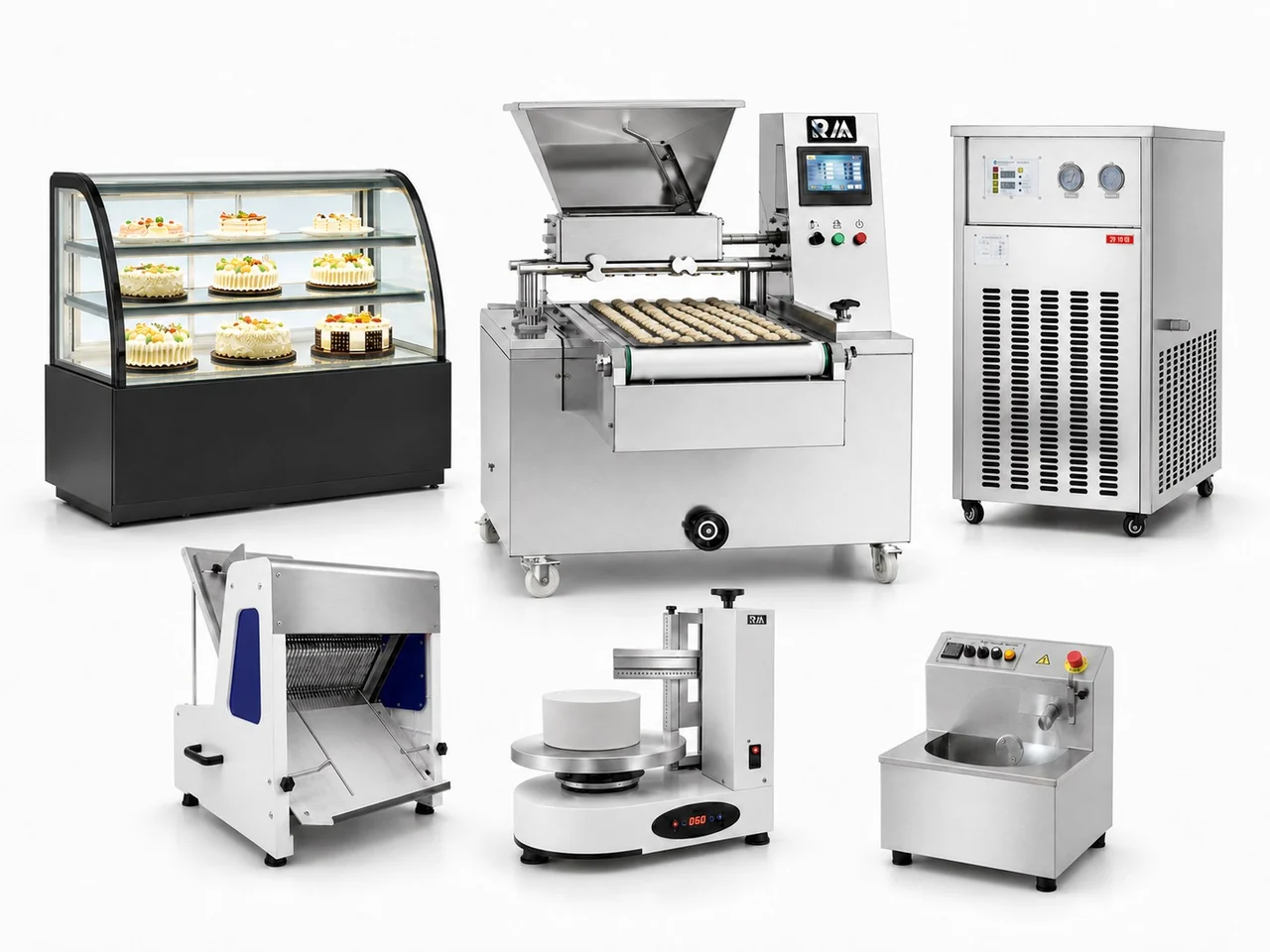
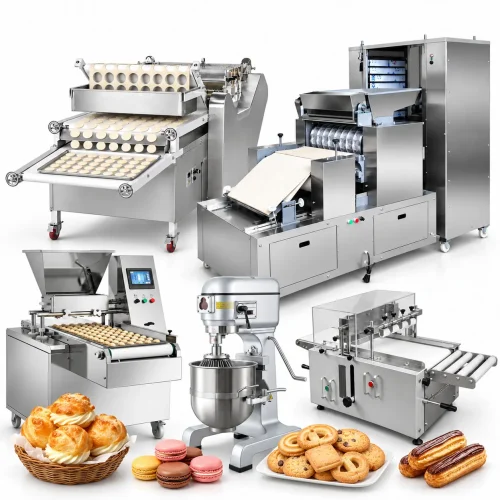
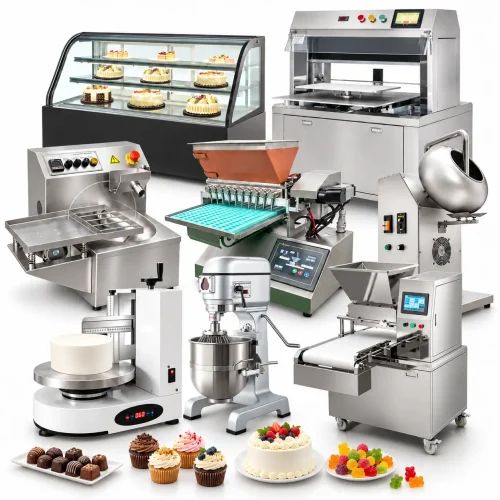
Cake, Pastry & Food-Forming
Depositing, filling, cutting, icing and forming equipment for cakes, cookies and pastry.
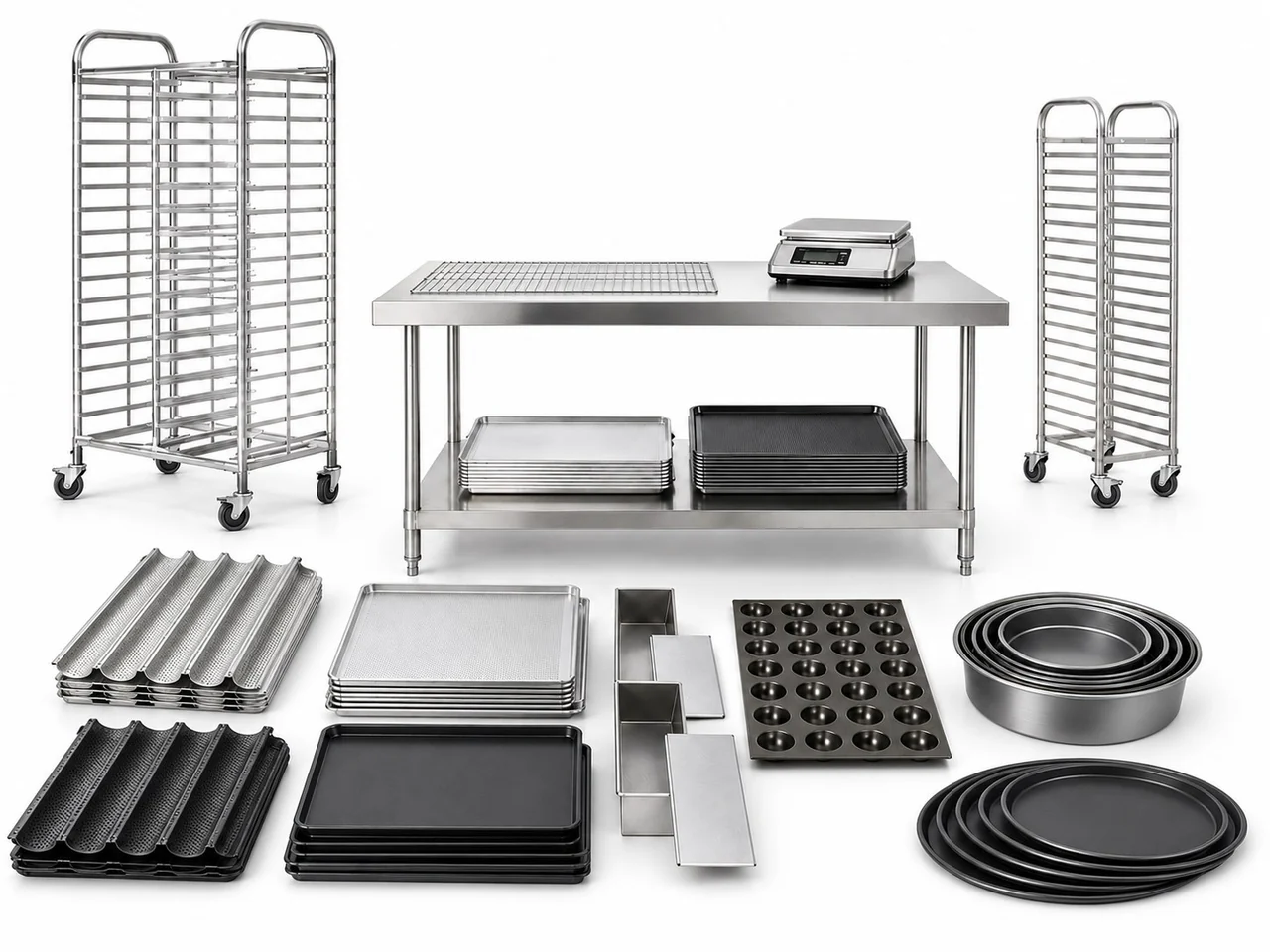
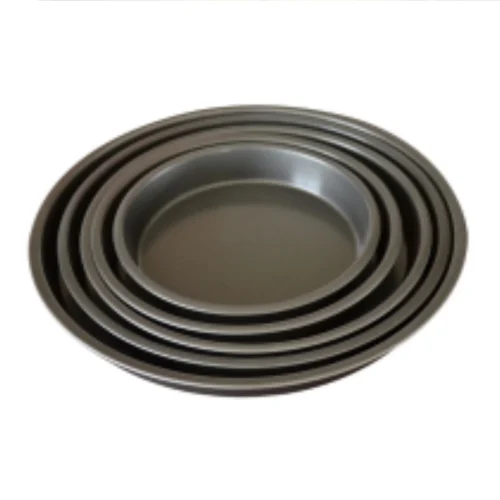
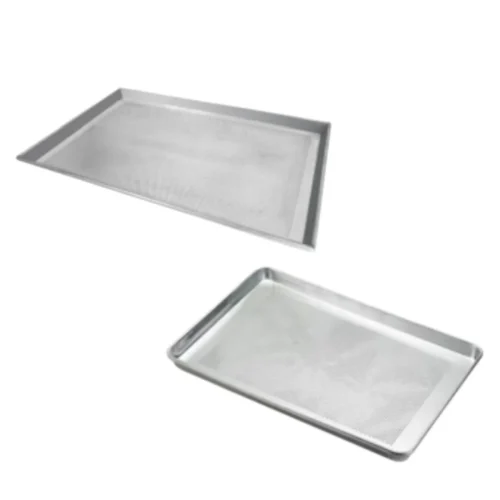
Bakery.html Tools & Accessories
Pans, trays, racks, worktables and trolleys that complete the production workflow.
Plan the Bakery.html Around How You Actually Produce
The equipment needed to start a bakery is different for bread, cakes, pastry, cookies or a mixed menu. A useful bakery shop equipment list connects mixing, forming, proofing, baking, cooling, storage and display—without adding machines that do not support the planned products. Whether you are planning equipment for bakery startup, a café, a retail chain or an industrial bread plant, the bakery equipment list should reflect your actual workflow rather than a generic catalog.
Products & Formulas
Output & Schedule
Space & Workflow
Utilities
More Bread Equipment List
For buns, rolls, artisan bread and daily bread: compare mixing, dividing, rounding, moulding, proofing, baking, cooling and support equipment in one high-resolution visual guide.
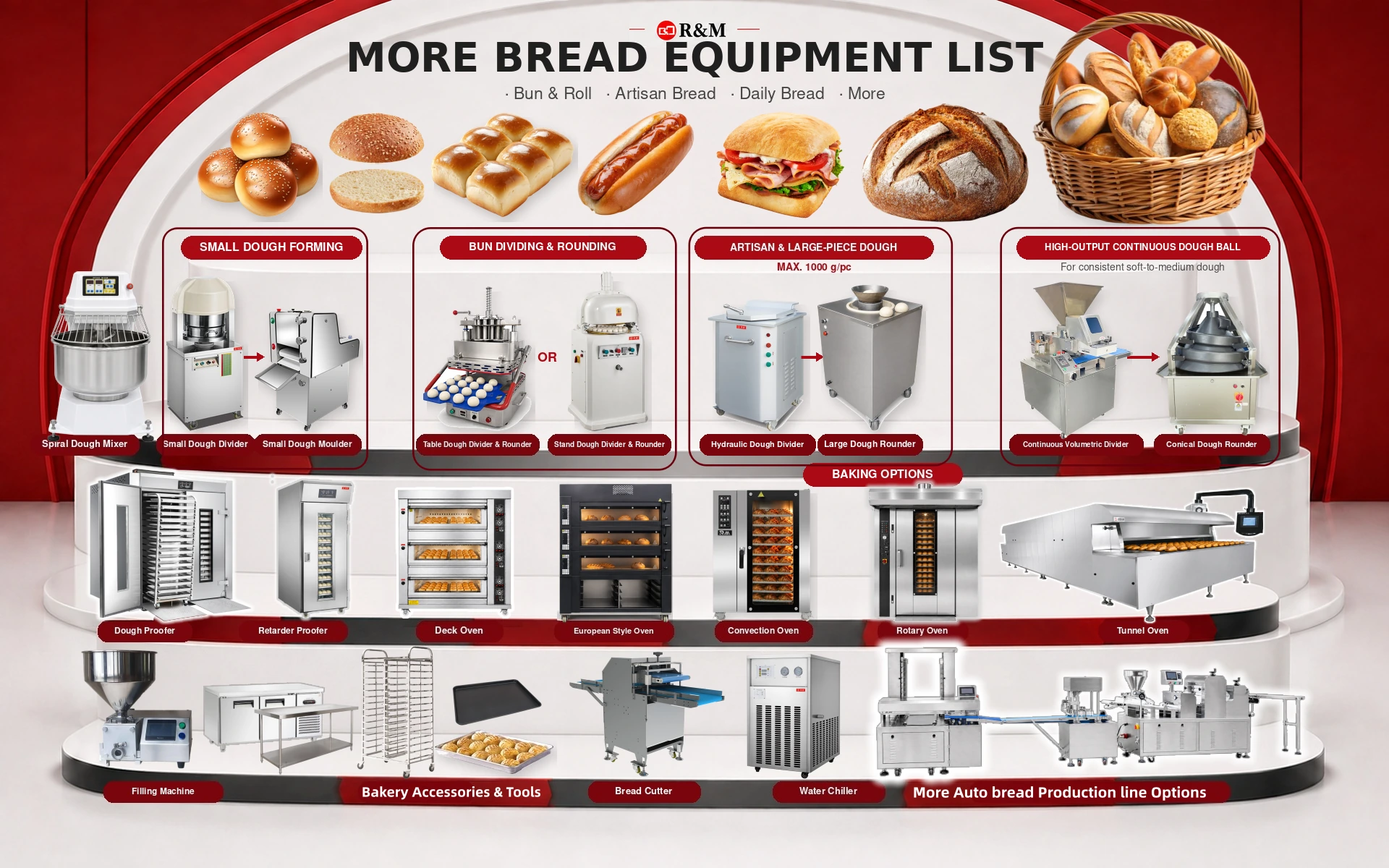
Choose Bakery.html Equipment by Finished Product
Open any equipment-list image in a high-resolution lightbox. Paired cards display side by side on desktop and stack on tablet and mobile.
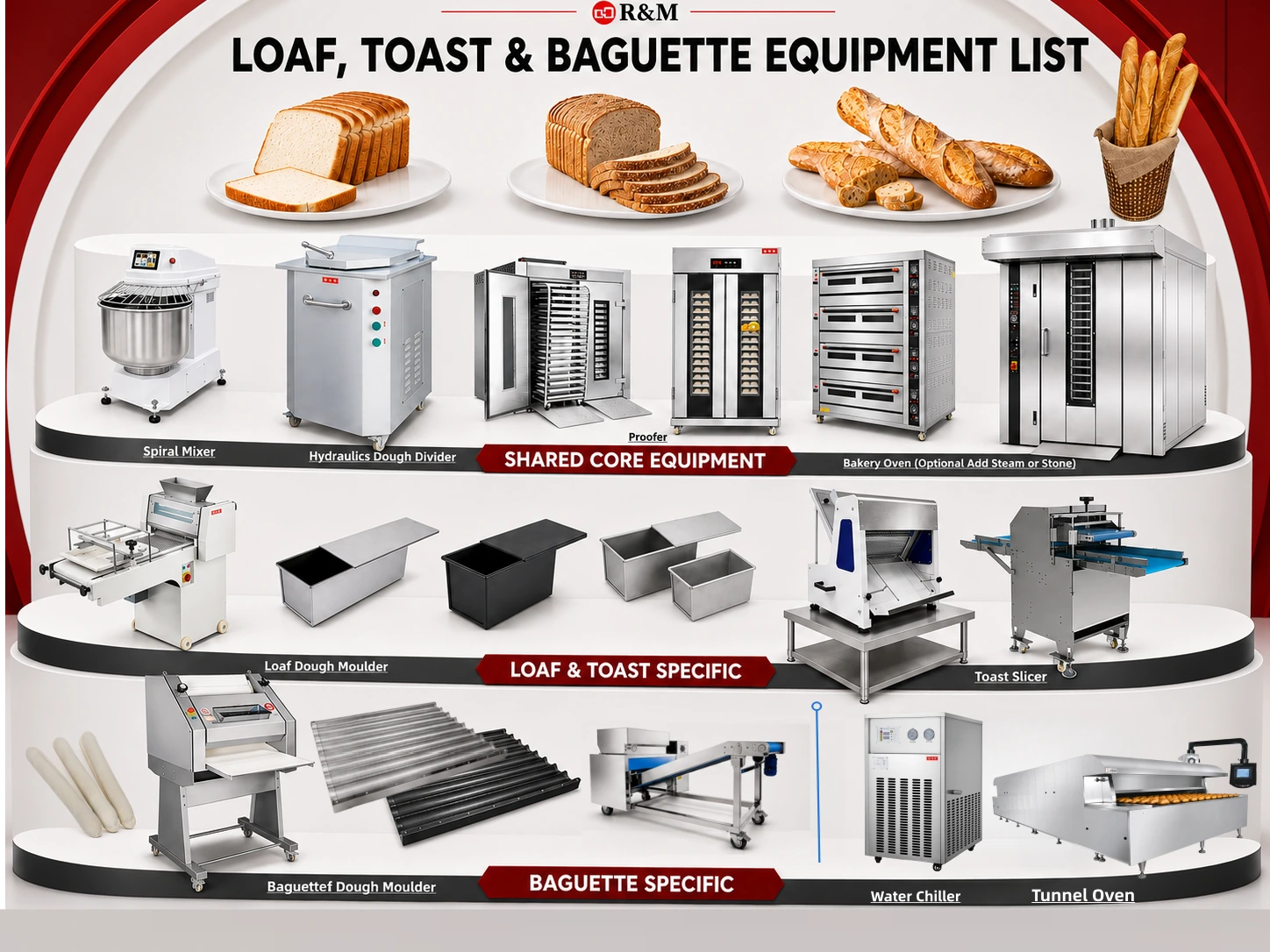
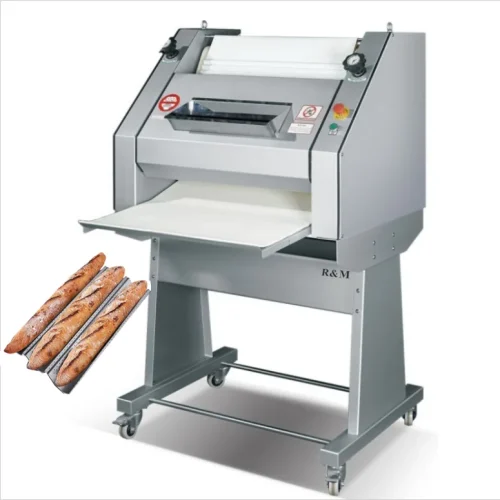
Loaf, Toast & Baguette Equipment List
Plan pan bread, sandwich loaves and baguettes with bread making equipment, loaf or baguette moulders, proofers, bakery ovens, moulds and slicers.
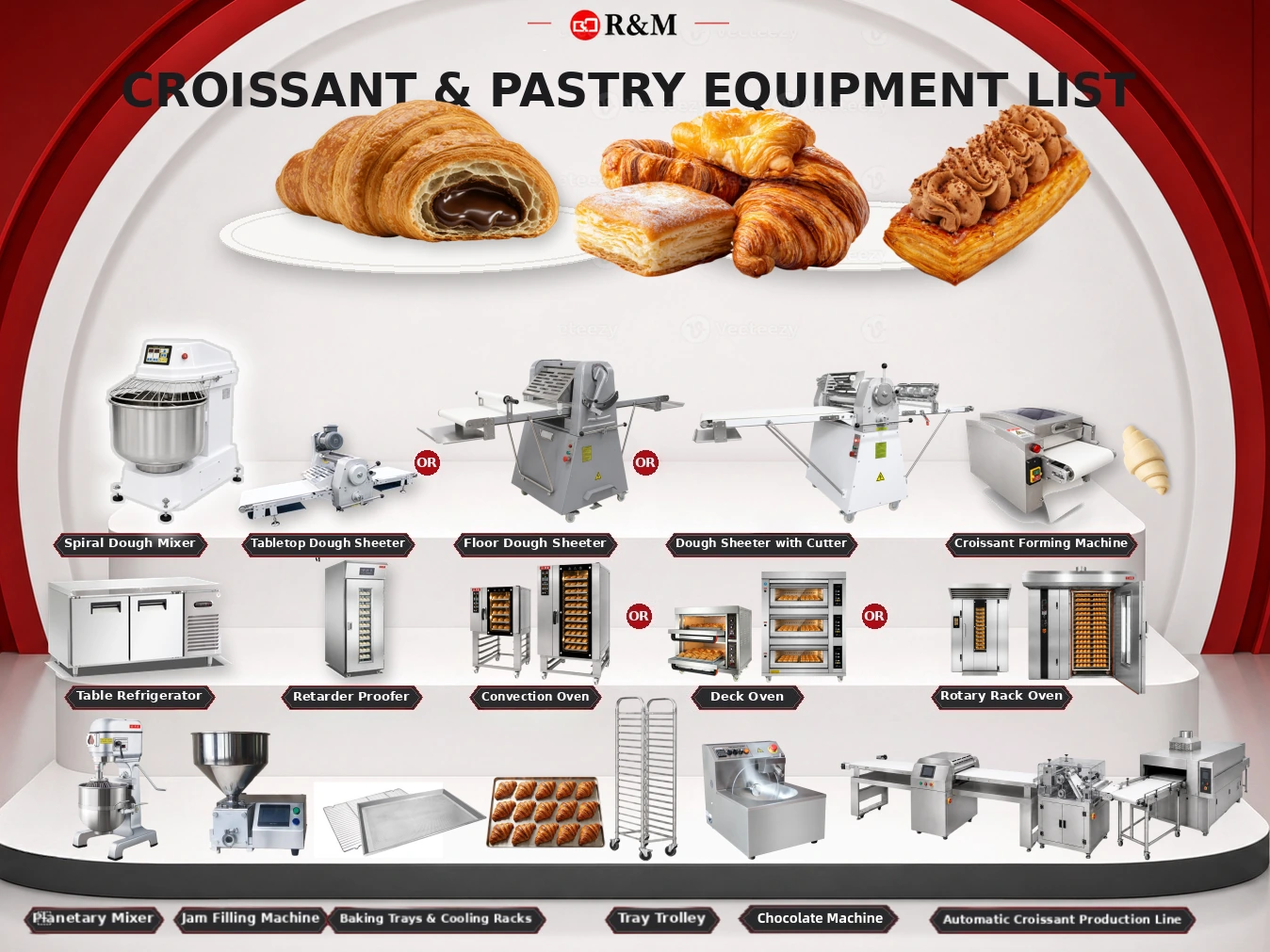
Croissant & Pastry Equipment List
Compare lamination, sheeting, cutting, forming, filling, retarding and baking—from compact pastry shop equipment to automatic make-up lines.
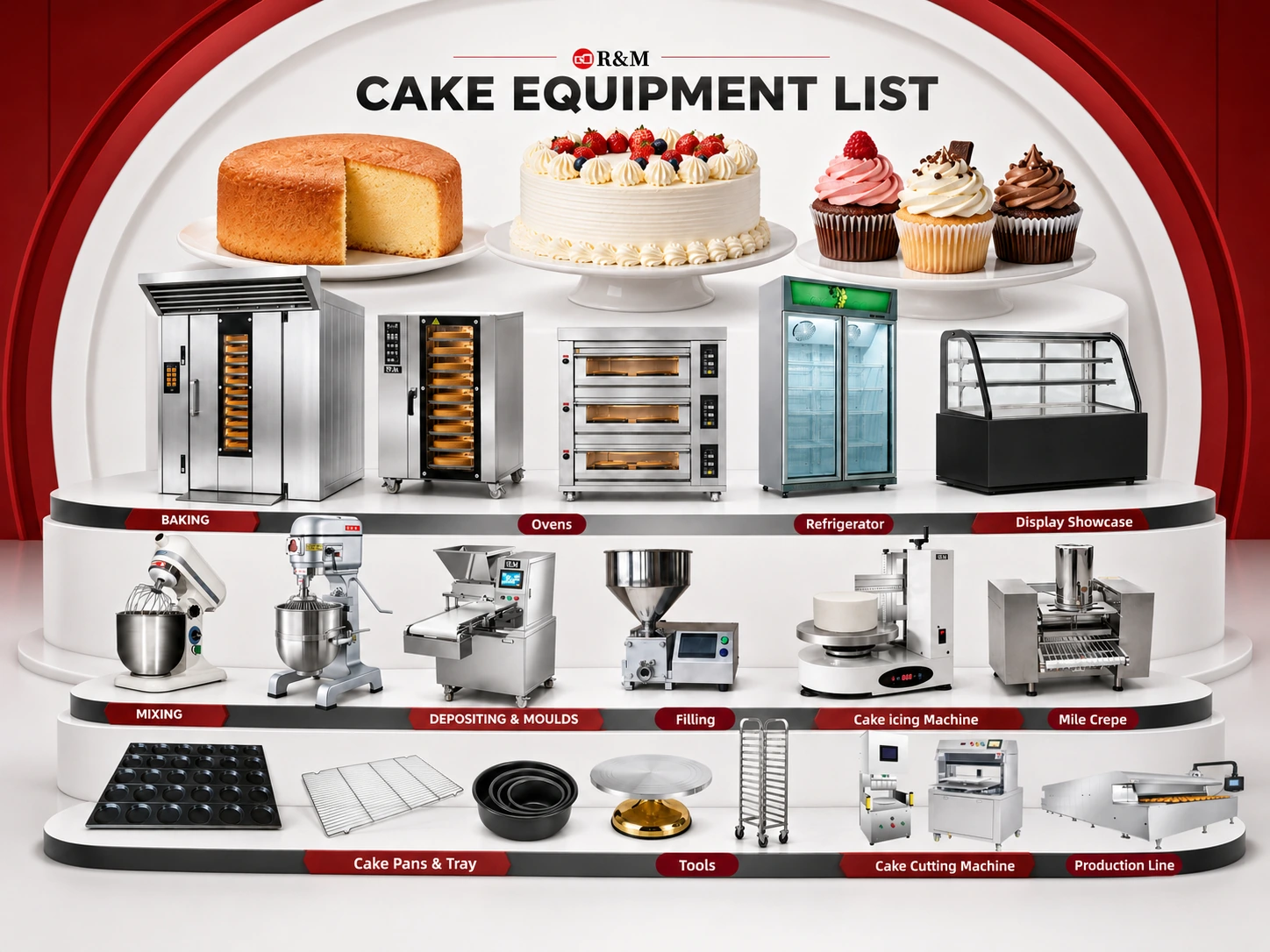
Cake Equipment List
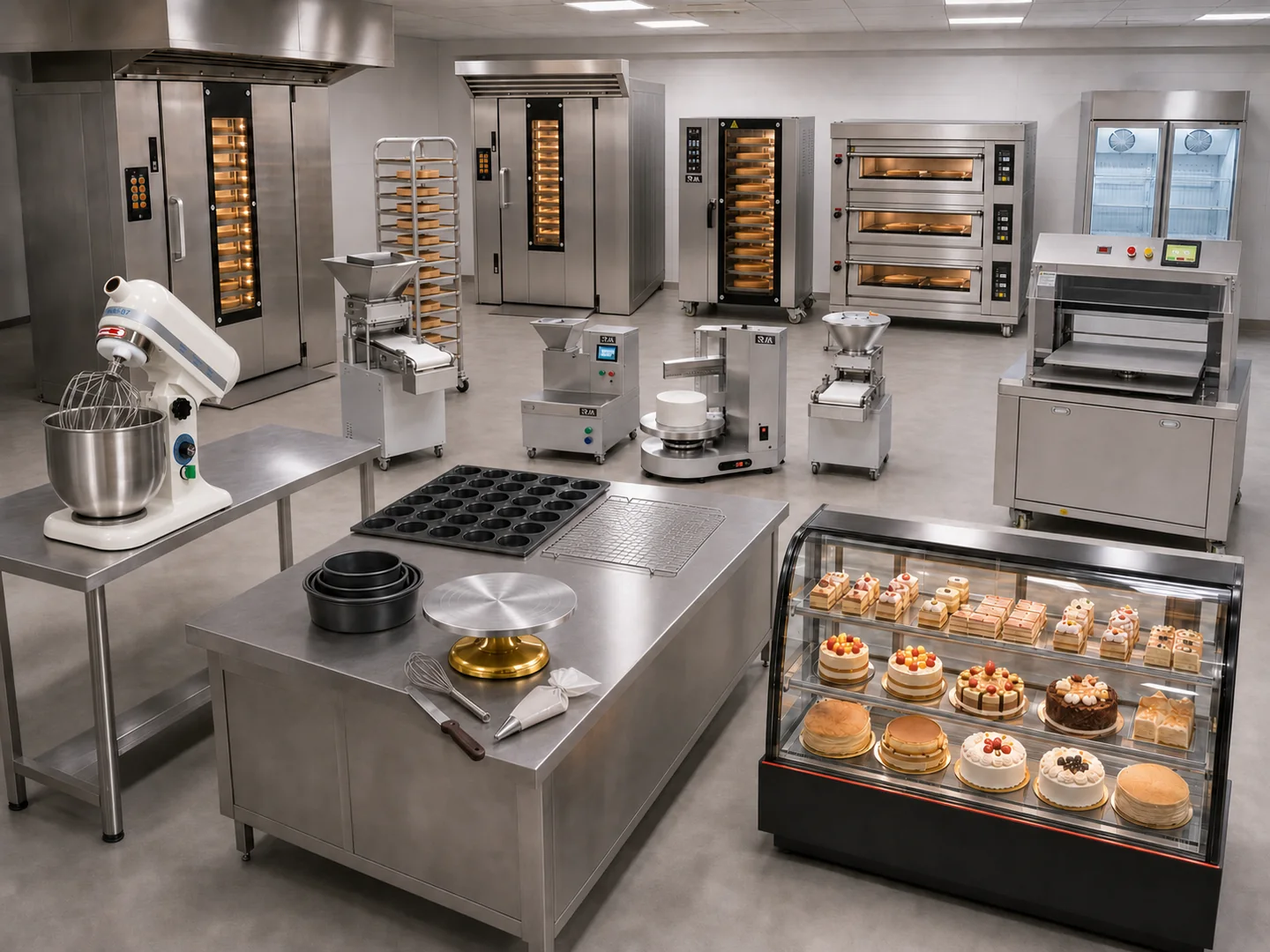
Build a cake making equipment set around mixing, depositing, baking, chilling, icing, cutting and display.
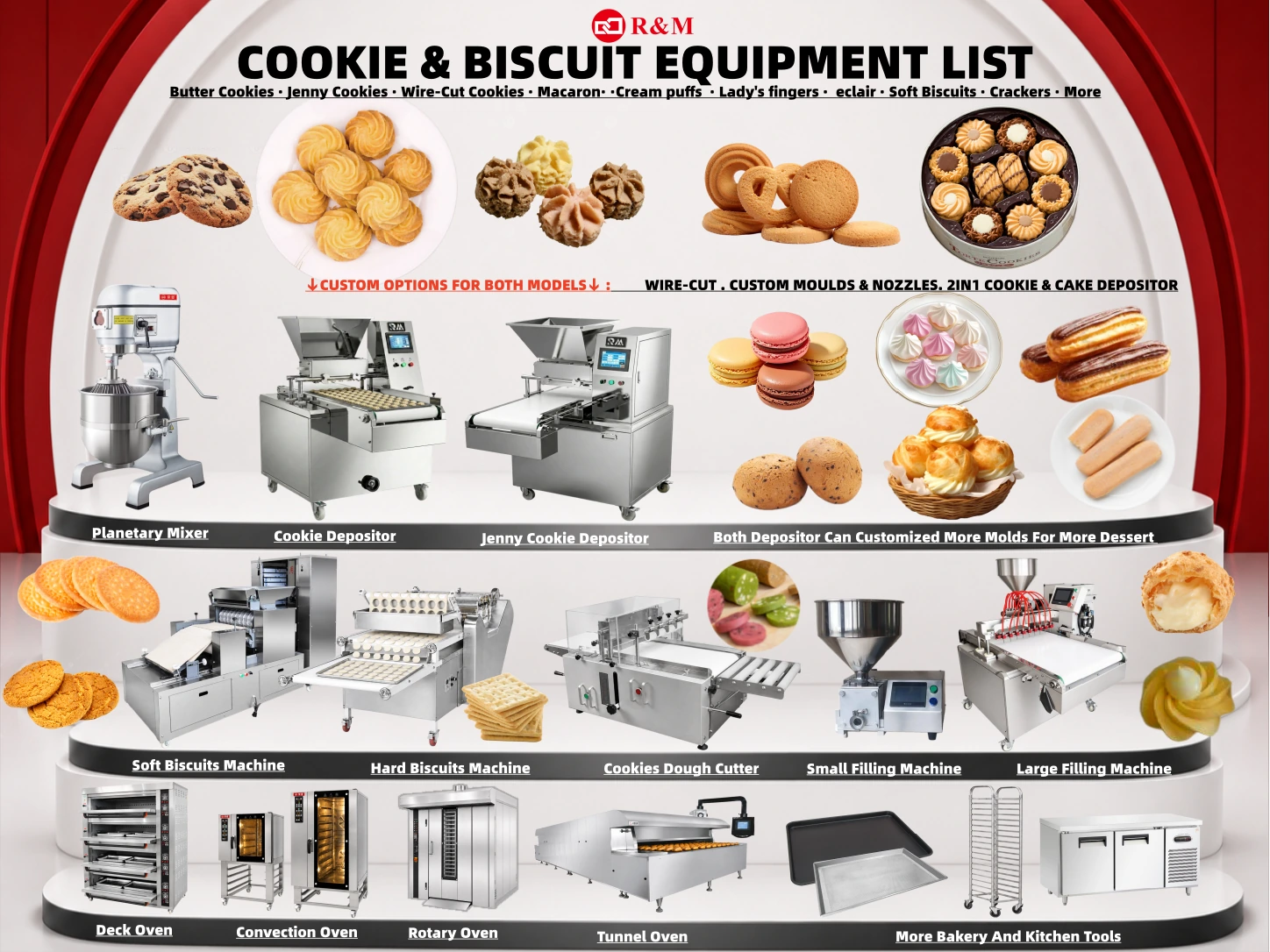
Cookie & Biscuit Equipment List
Compare biscuit making equipment for deposited, wire-cut, soft or hard biscuits, including mixers, depositors, cutters, ovens, cooling and filling.
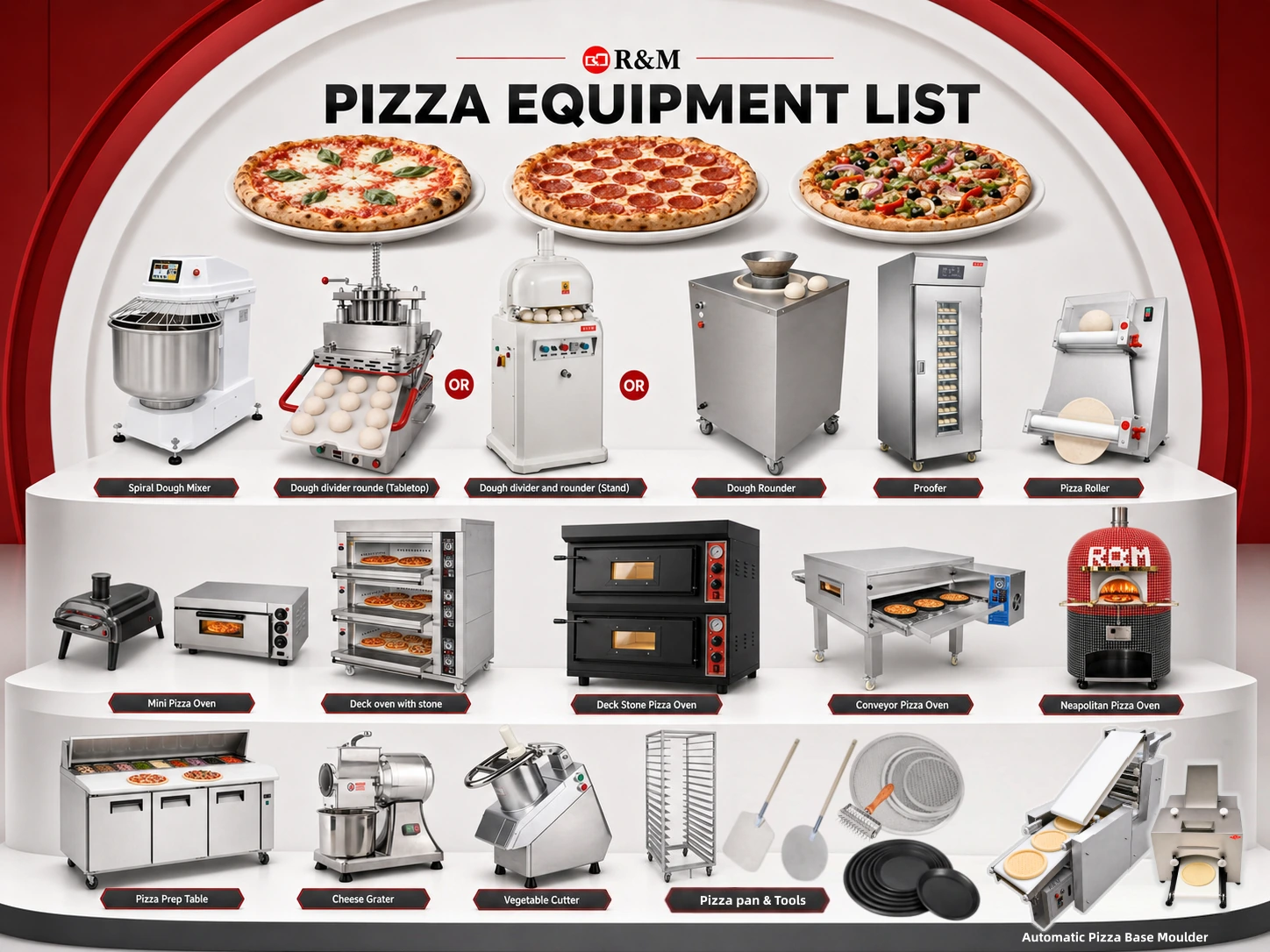
Pizza Equipment List
Plan pizza making equipment for mixing, dividing, rounding, proofing, base forming, refrigerated preparation and deck, conveyor or Neapolitan baking.
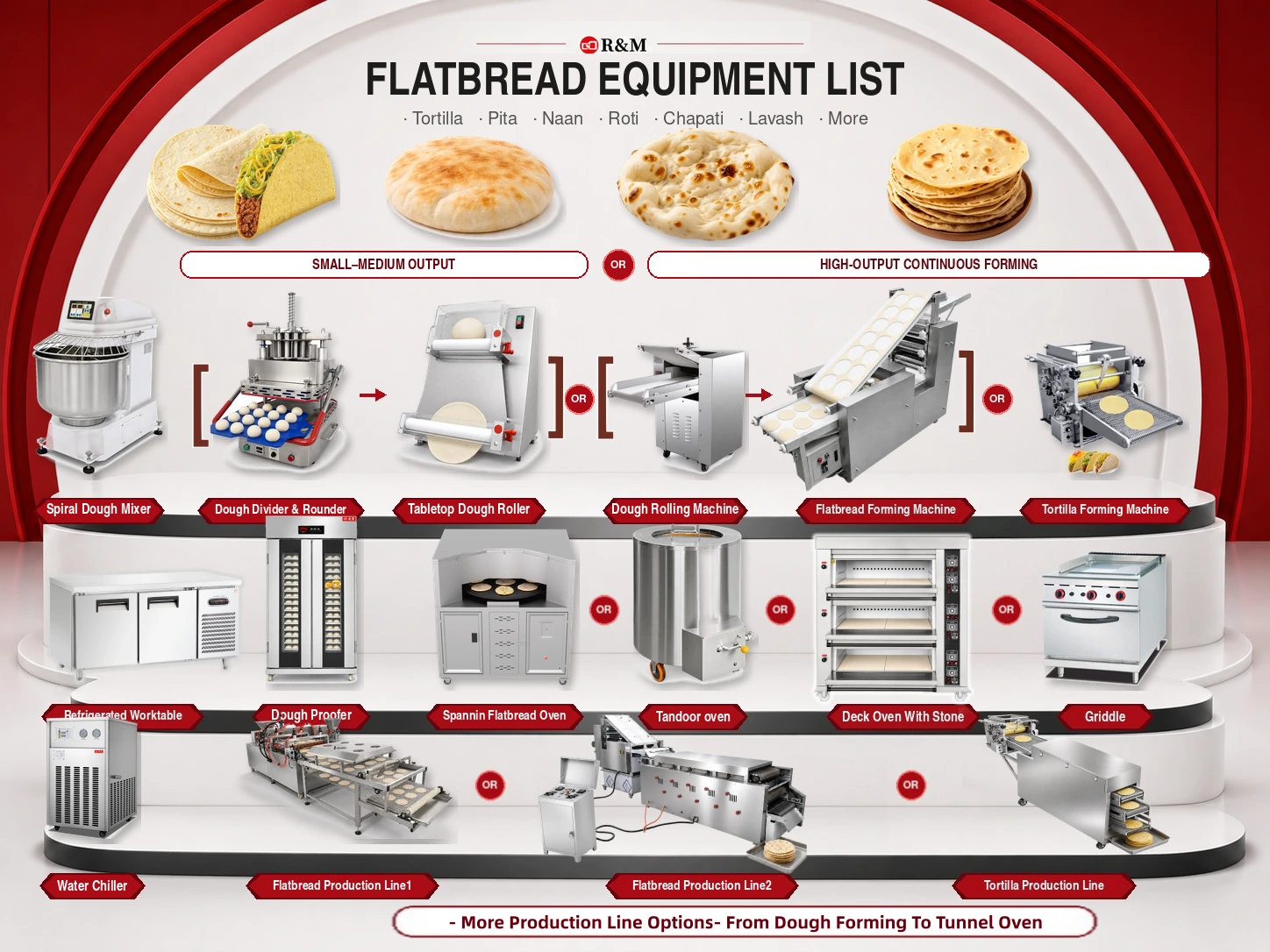
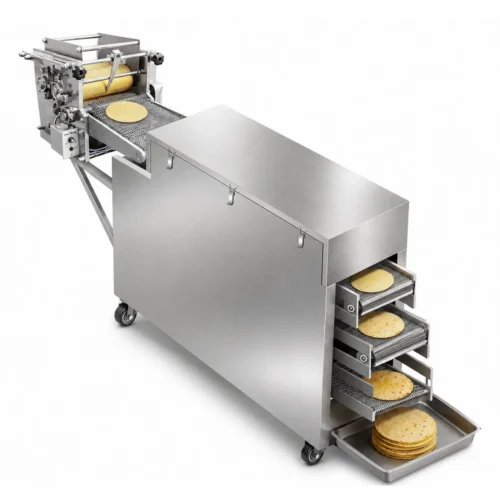
Flatbread Equipment List
Compare small and continuous systems for tortilla, pita, naan, roti, chapati and lavash—from dough forming to proofing and baking.
Bakery.html Solutions by Shop Size & Operating Model
These packages are initial planning references. Final selection follows the menu, batch size, schedule, available space, utilities and preferred automation level.
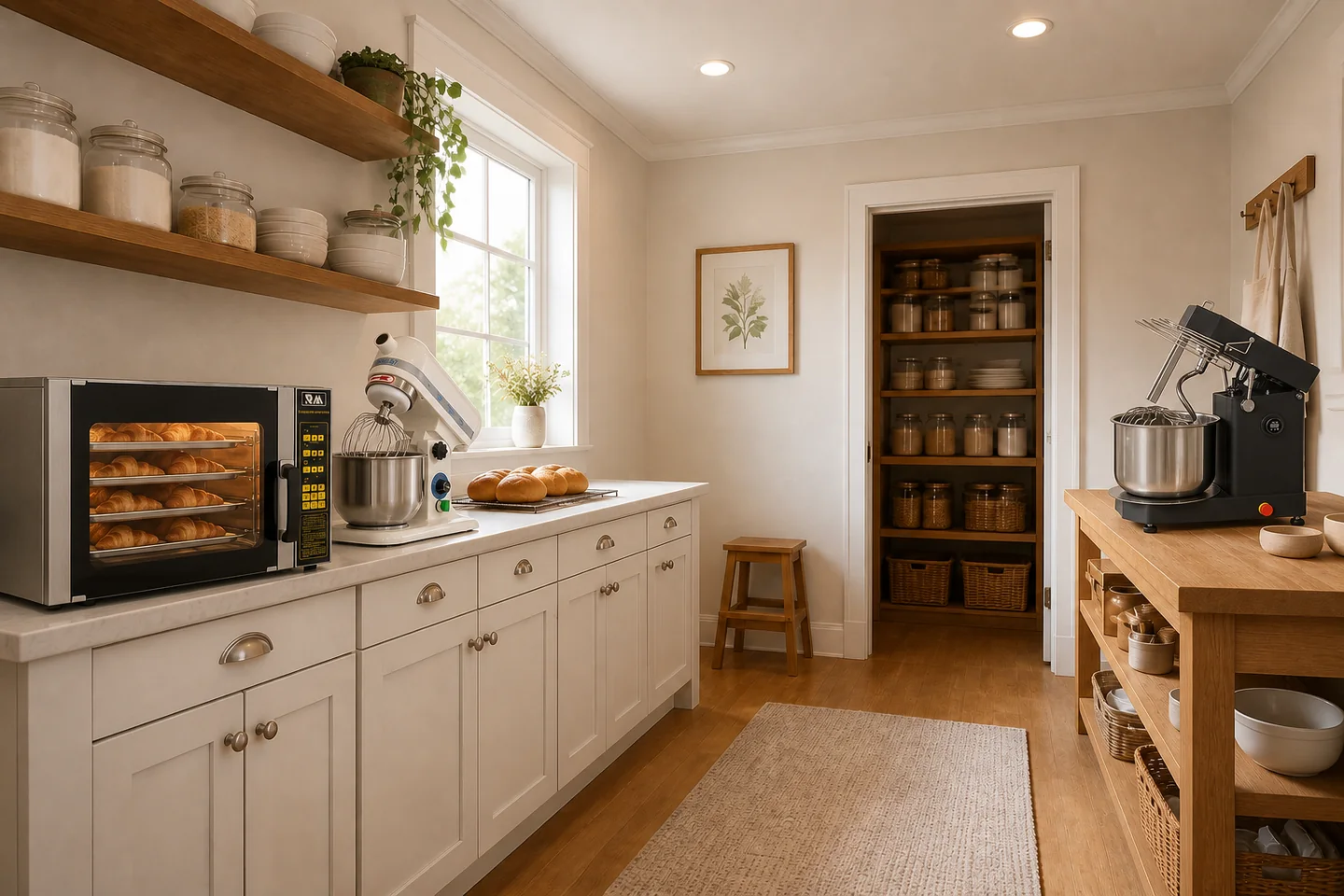
Home-Based Micro Bakery.html
For online cake sellers and made-to-order micro bakeries producing cakes, cookies, pastry and basic bread.
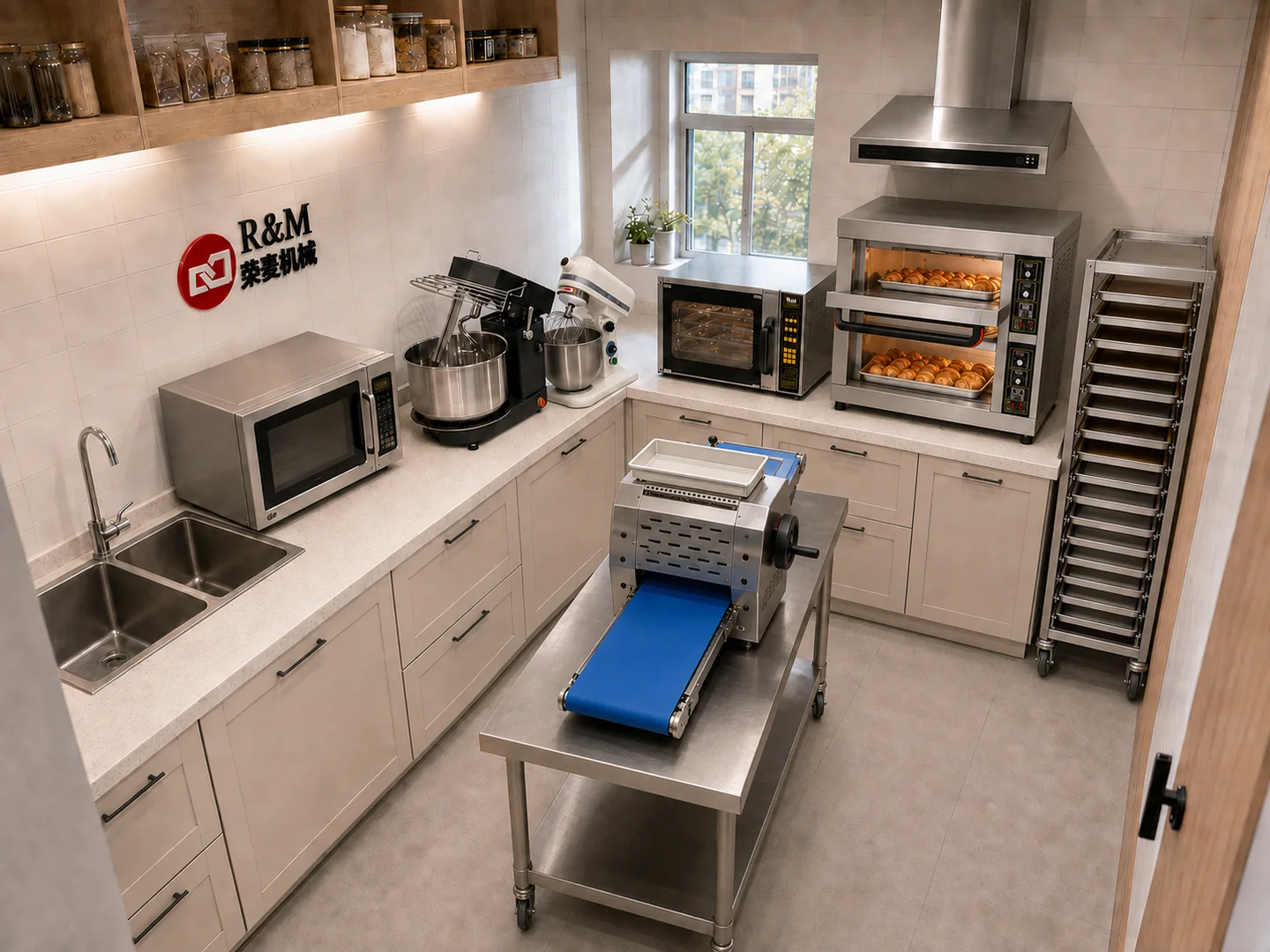
Cottage / Startup Bakery.html
For takeaway bread shops and small businesses producing bread, buns, cookies, cakes and limited pastry.
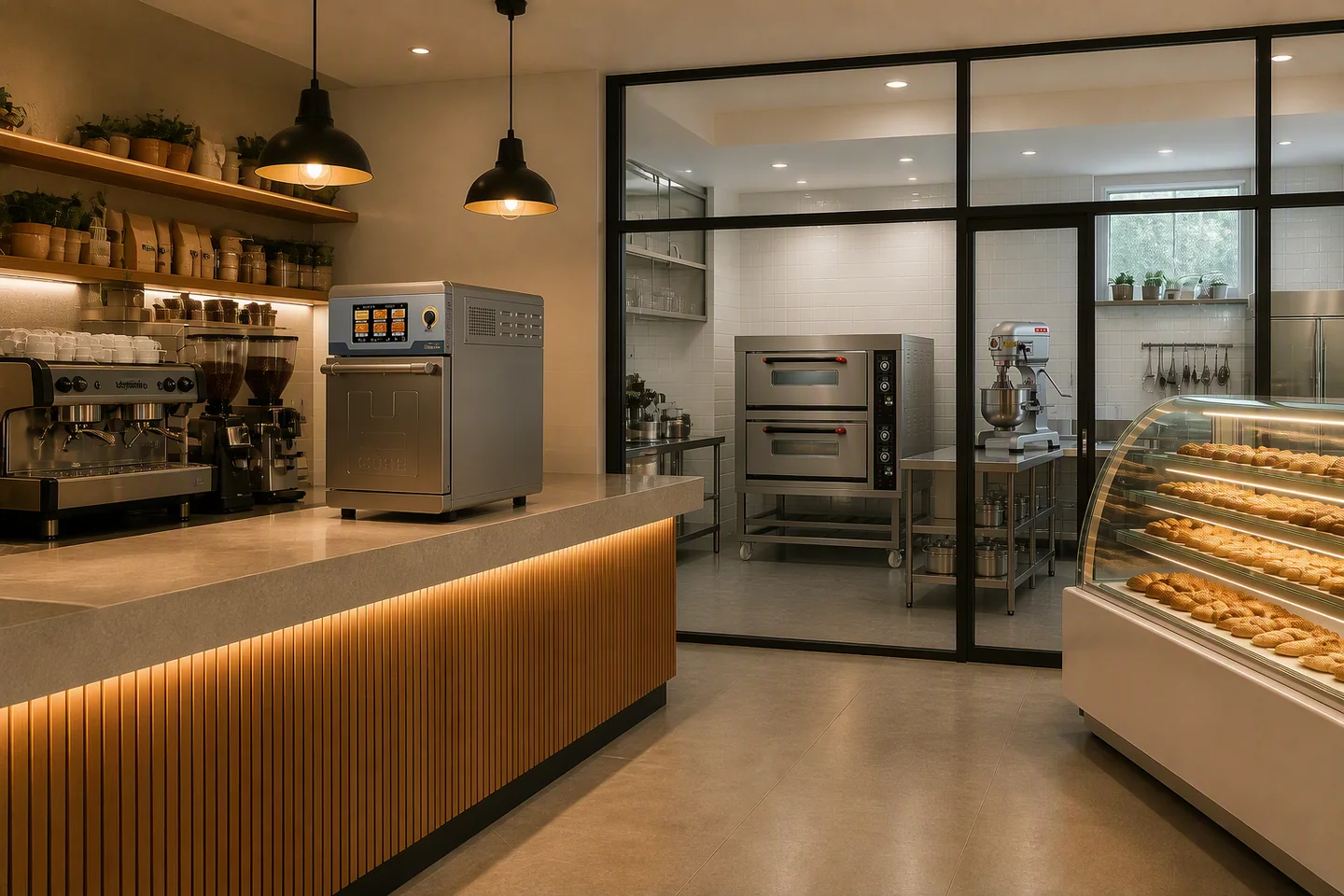
مقهى ومخبز
Combines on-site baking with coffee, light meals and dine-in or takeaway service using frequent small batches.
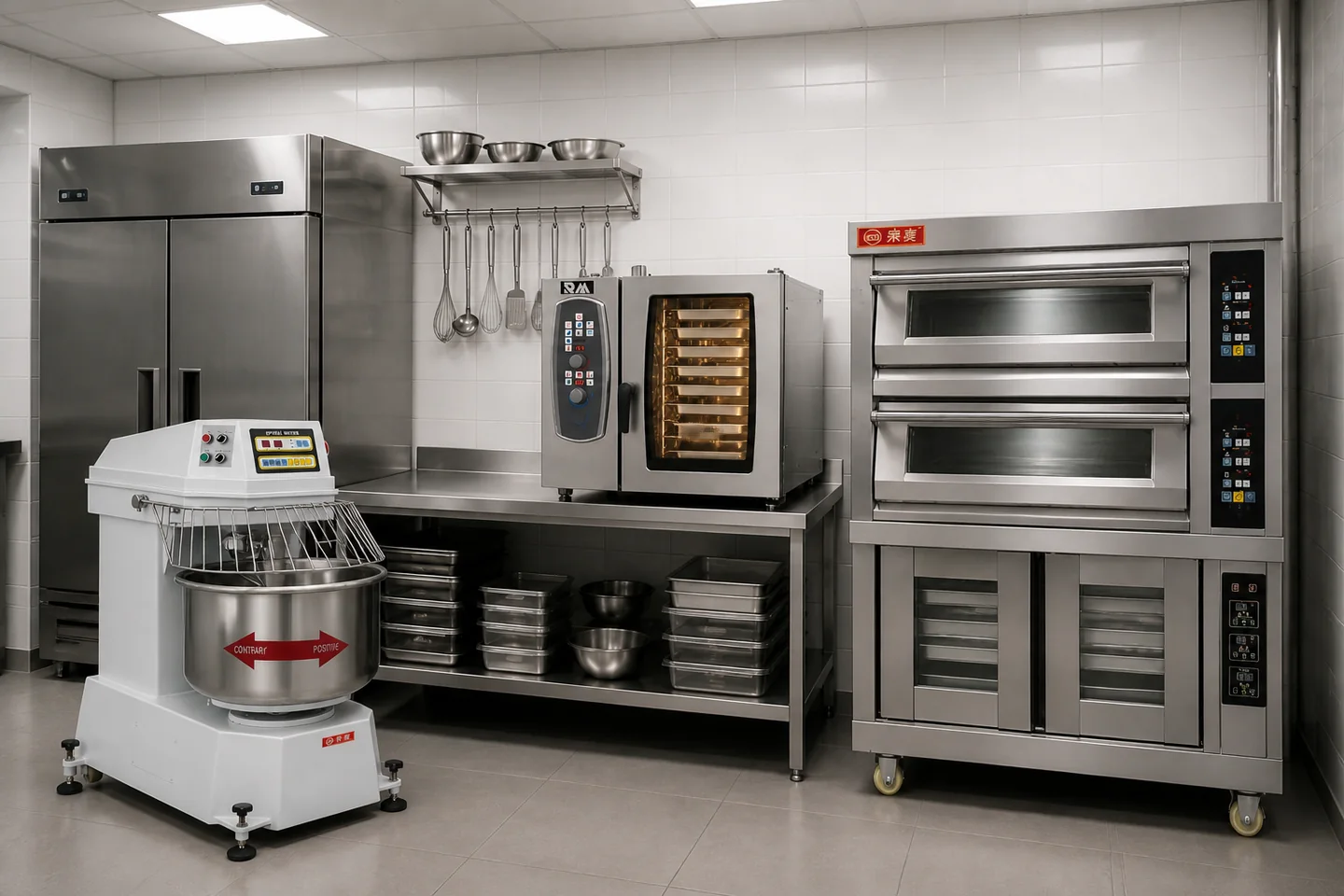
Restaurant & Hotel Bakery.html Kitchen
For breakfast bread, dinner rolls, cakes, pizza dough and plated desserts inside a wider hospitality kitchen.
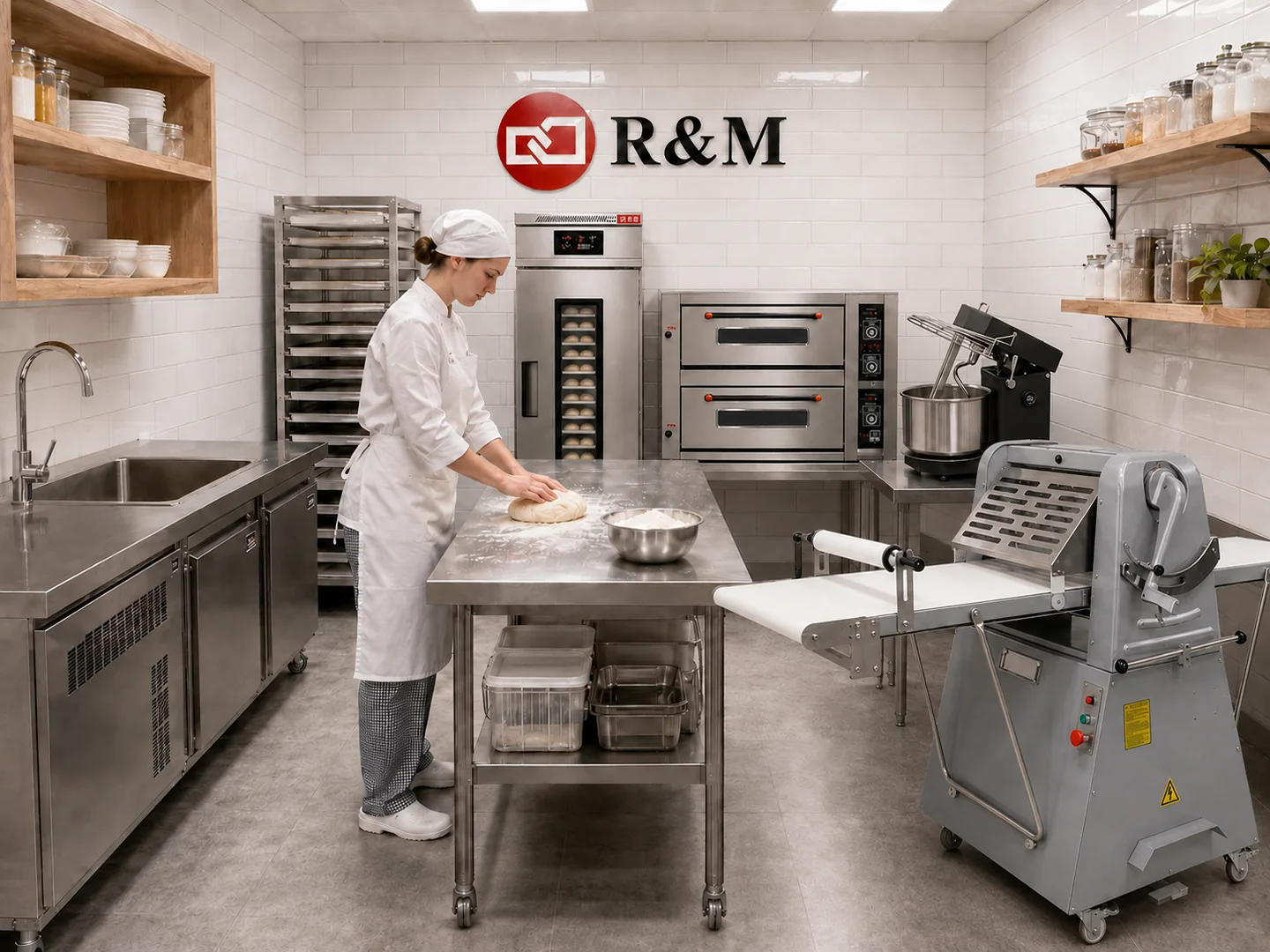
مخبز تجاري صغير
A broad-product bakery that balances large morning batches with smaller replenishment runs.
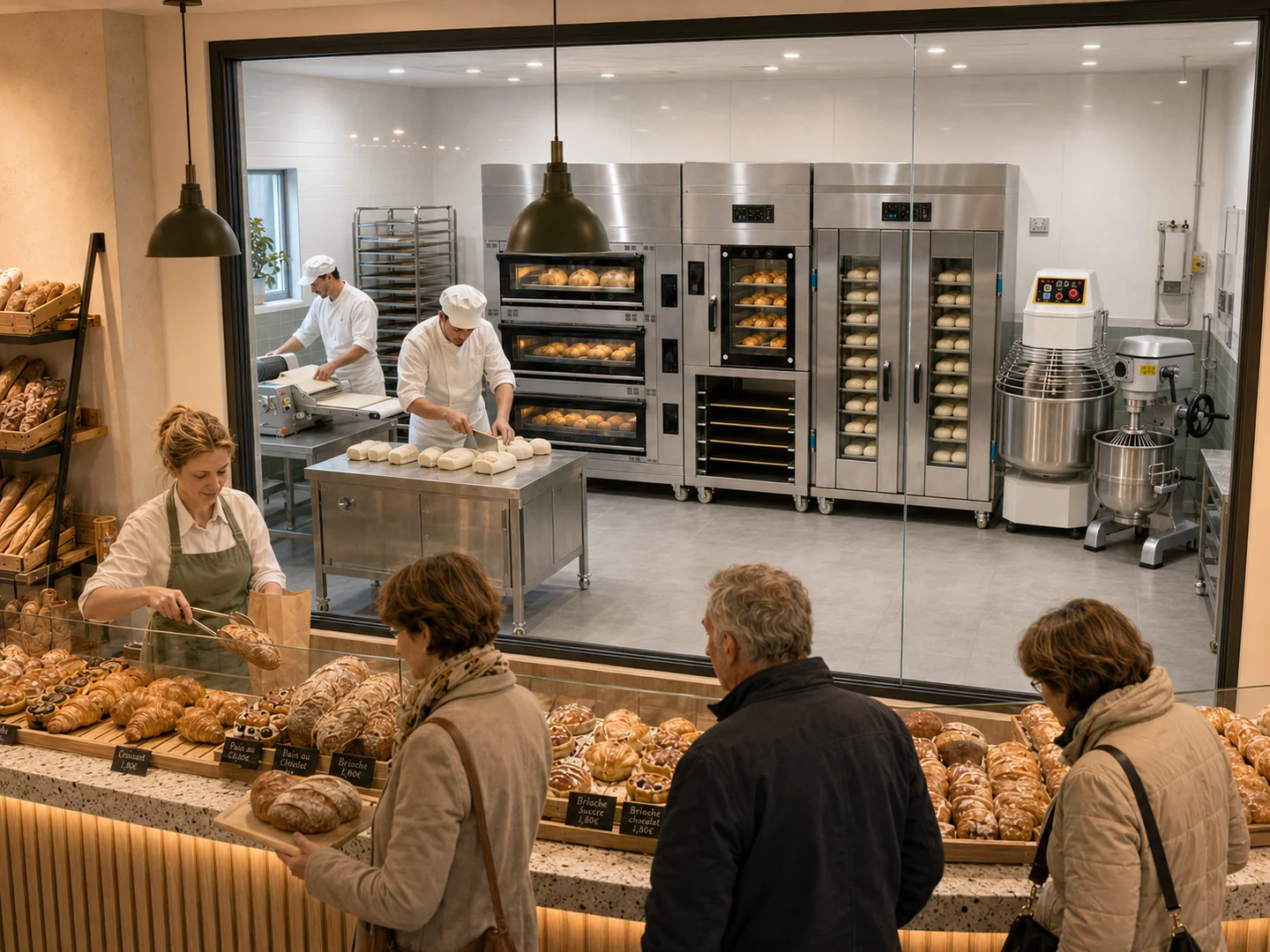
Retail Bakery.html Chain / Flagship
Choose the branch package according to whether dough arrives from a central kitchen or is made on site.
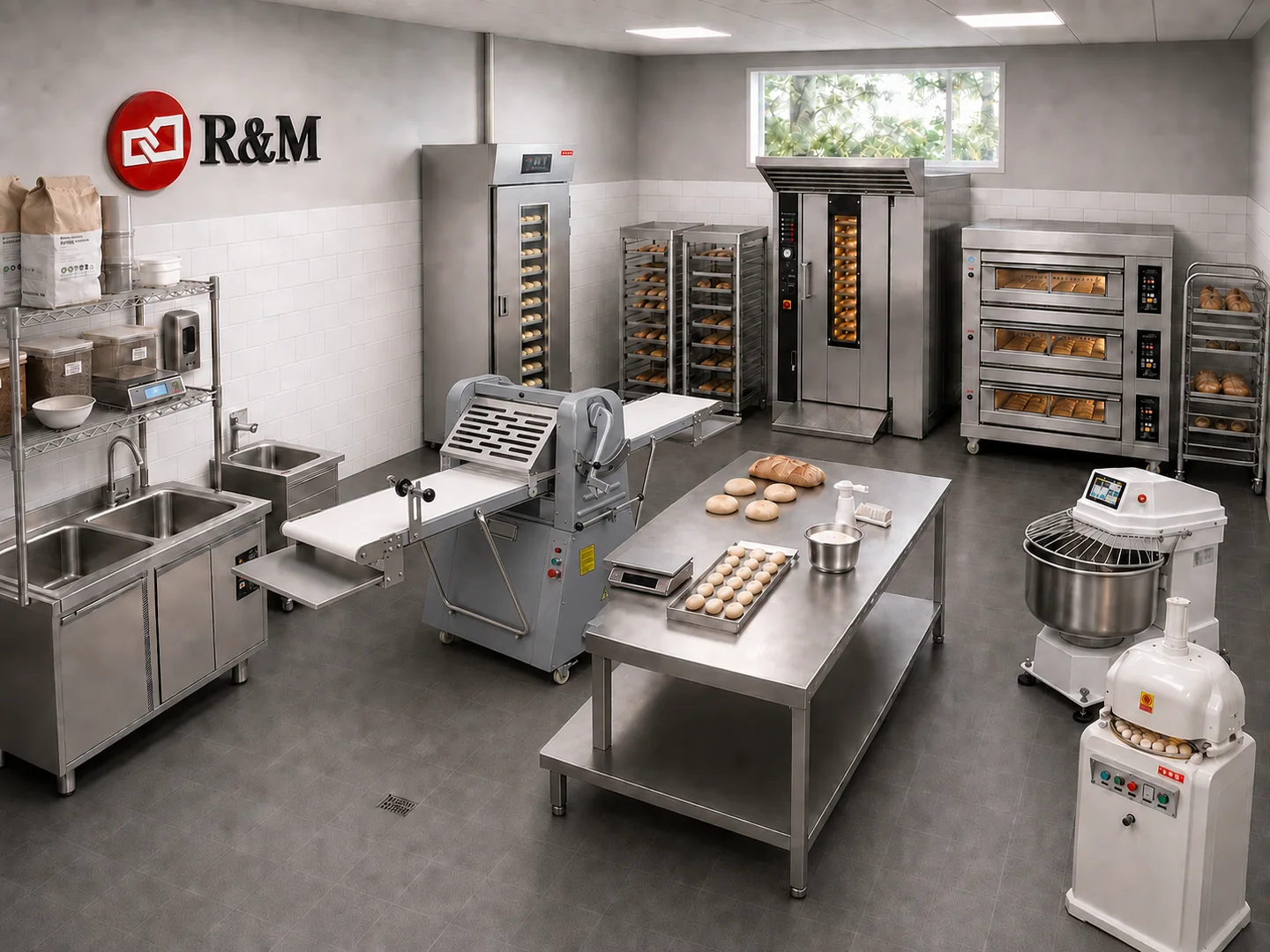
مخبز تجاري متوسط الحجم
For multi-outlet, hotel, restaurant and wholesale supply where semi-automatic forming improves consistency.
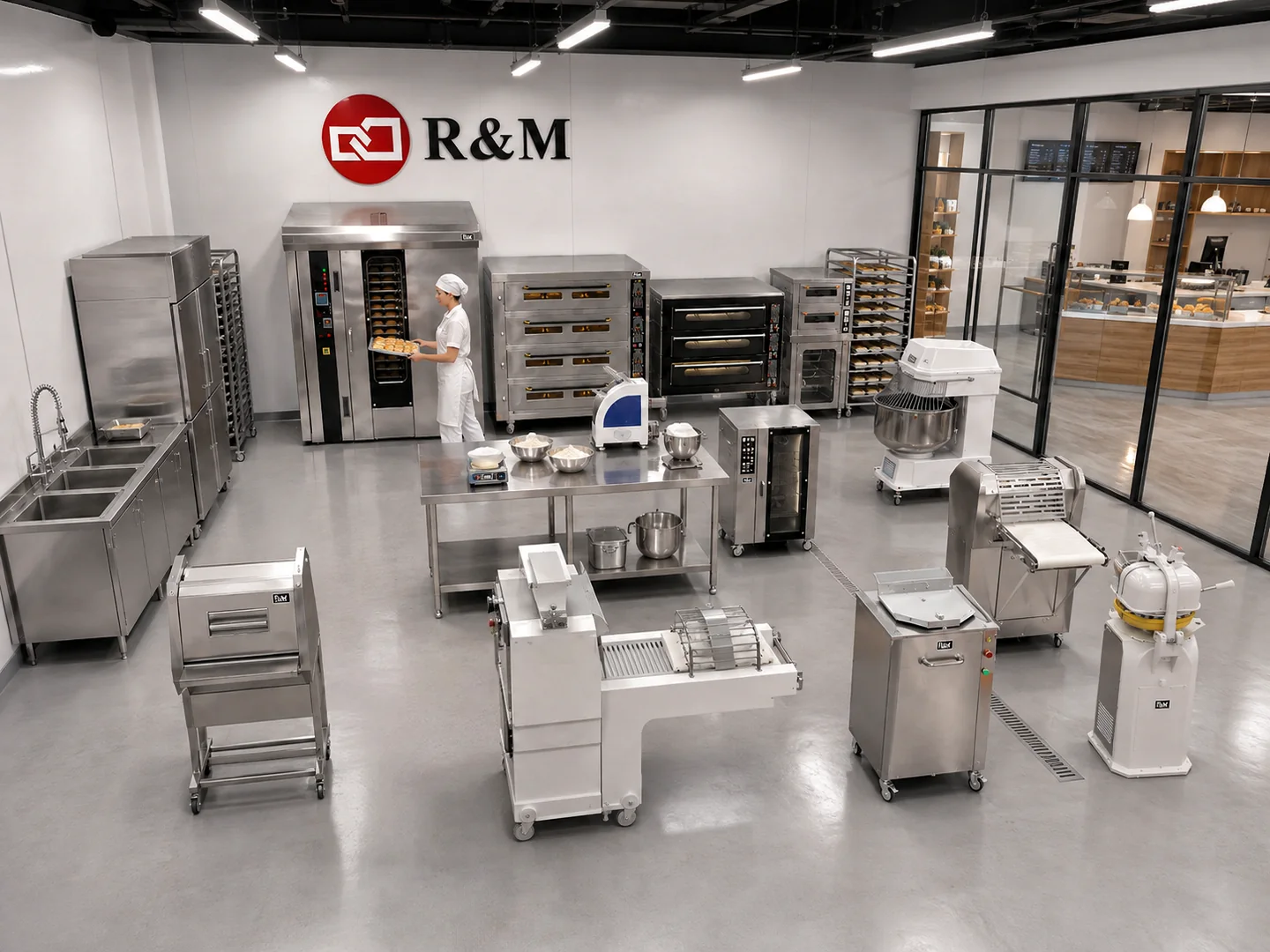
Supermarket In-Store Bakery.html
For supermarkets and food halls using frozen/pre-proofed products or making selected dough on site.
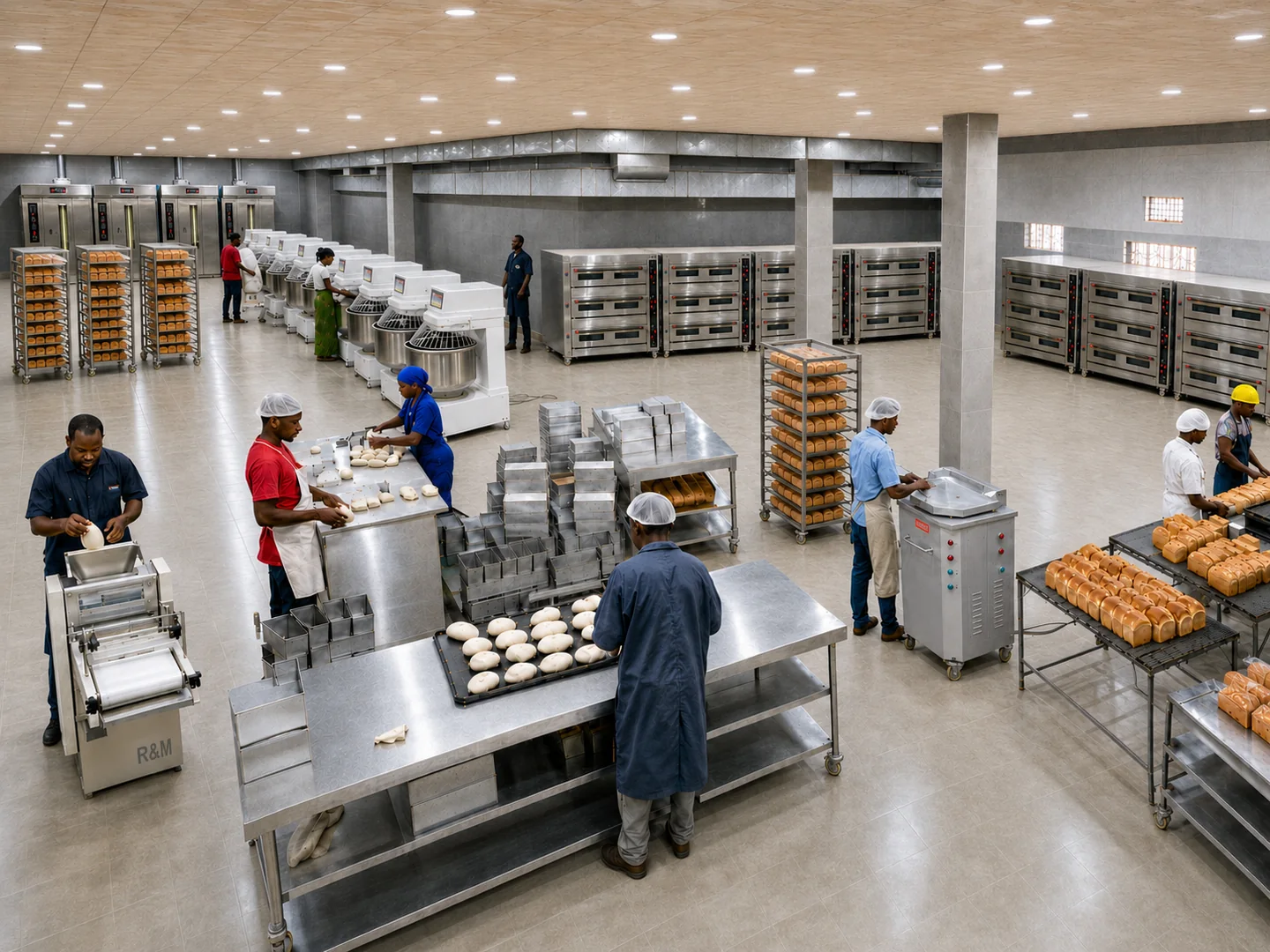
Supermarket In-Store Bakery.html
For supermarkets and food halls using frozen/pre-proofed products or making selected dough on site.
Home-Based Micro Bakery.html
For online cake sellers and made-to-order micro bakeries producing cakes, cookies, pastry and basic bread.
Planning reference
Reference area: 8–15 m²
Planning band: 20–80 kg/day
Core equipment
10–20 L planetary mixer; optional 8–15 kg spiral mixer for regular bread.
4–5 tray electric convection oven and 6–8 tray proofer.
Refrigerated storage, worktable, mobile rack, pans, bowls and basic tools.
Product-dependent option
Mini sheeter for frequent pastry; small slicer when packaged loaf bread becomes a regular product.
Capacity varies with product mix, batch size, cycle time and working hours.
Cottage / Startup Bakery.html
For takeaway bread shops and small businesses producing bread, buns, cookies, cakes and limited pastry.
Planning reference
Reference area: 15–30 m²
Planning band: 50–150 kg/day
Core equipment
15–25 kg spiral mixer plus 20–30 L planetary mixer.
5–10 tray convection oven and 8–16 tray proofer.
Separate chilled/frozen storage, two worktables and one or two racks.
Product-dependent option
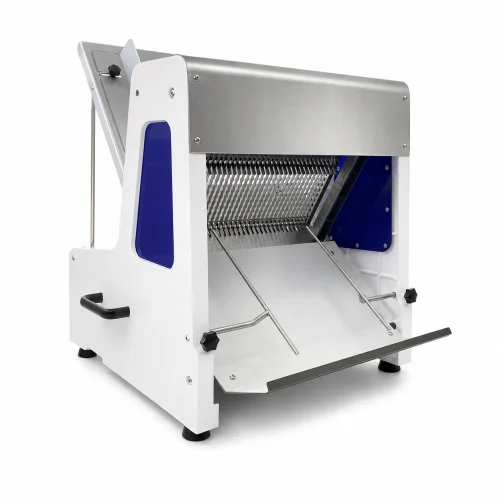
400–500 mm tabletop sheeter, bread slicer or small blast chiller.
Proofing capacity should support overlapping preparation and baking cycles.
مقهى ومخبز
Combines on-site baking with coffee, light meals and dine-in or takeaway service using frequent small batches.
Planning reference
Production area: 20–45 m²
Planning band: 80–250 kg/day
Core equipment
15–30 kg spiral mixer and 20–40 L planetary mixer.
5–10 tray convection oven, 8–16 tray proofer and undercounter cold storage.
Preparation counters, racks, refrigerated cake display and ambient pastry display.
Product-dependent option
Deck oven for artisan bread; compact sheeter for croissants; blast chiller for chilled desserts.
Two small independently controlled ovens may suit varied replenishment cycles.
Restaurant & Hotel Bakery.html Kitchen
For breakfast bread, dinner rolls, cakes, pizza dough and plated desserts inside a wider hospitality kitchen.
Planning reference
Reference area: 15–40 m²
Planning band: 30–150 kg/day
Core equipment
20–40 L planetary mixer; optional 10–25 kg spiral mixer.
5–10 tray convection/combi oven and 8–16 tray proofer.
Compact sheeter, undercounter refrigeration, tables, racks and wash station.
Product-dependent option
Stone deck oven for bread or pizza; blast chiller; chocolate tempering for pastry.
Add specialist equipment only when the menu uses it regularly.
مخبز تجاري صغير
A broad-product bakery that balances large morning batches with smaller replenishment runs.
Planning reference
Production area: 50–100 m²
Planning band: 200–600 kg/day
Core equipment
40–80 kg spiral mixer, 40–60 L planetary mixer and divider rounder.
Two- or three-deck oven plus 10-tray convection oven.
24–32 tray proofer/retarder, moulder, sheeter, slicer, storage and displays.
Product-dependent option
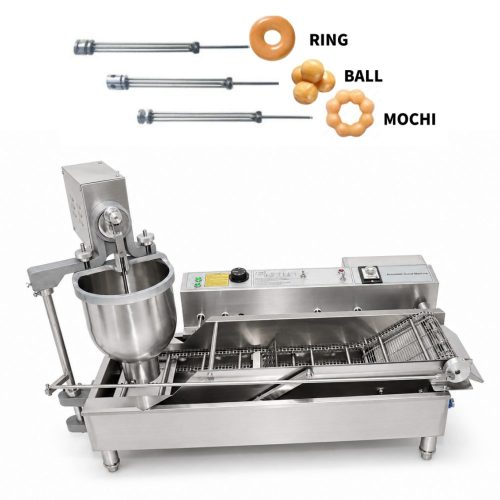
Baguette moulder, continuous slicer, donut fryer or cookie depositor for defined demand.
Deck and convection baking support different products and batch patterns.
Retail Bakery.html Chain / Flagship
Choose the branch package according to whether dough arrives from a central kitchen or is made on site.
Planning reference
Production area: 80–160 m²
Planning band: 300–800 kg/day
Core equipment
Bake-off core: two controllable convection ovens, retarder proofer, freezers, racks and displays.
Scratch additions: 60–100 kg spiral mixer, deck oven, sheeter, divider rounder and moulder.
Recipe controls, slicing/bagging, wash area and cold storage.
Product-dependent option
Avoid duplicating a full dough-processing line at branches supplied by a central kitchen.
Confirm central-kitchen and store-level responsibilities before quoting.
مخبز تجاري متوسط الحجم
For multi-outlet, hotel, restaurant and wholesale supply where semi-automatic forming improves consistency.
Planning reference
Production area: 150–350 m²
Planning band: 0.8–3 t/day
Core equipment
One or two 80–160 kg spiral mixers; 60–100 L planetary mixer.
Rack/deck baking, multi-rack proofing, retarding and cold/frozen rooms.
Divider-rounder-moulder line, 600–650 mm sheeter, cooling and packing zones.
Product-dependent option
Match mixer batch time, proofing dwell, oven cycles, cooling and packing before selecting line speed.
Output depends on product weight, formula, operators and shift structure.
Supermarket In-Store Bakery.html
For supermarkets and food halls using frozen/pre-proofed products or making selected dough on site.
Planning reference
Production area: 80–160 m²
Planning band: 200–800 kg/day
Core equipment
Two small convection ovens, retarder proofer, freezer/refrigerator and racks.
Slicing, bagging, labelling, finishing table and retail displays.
Scratch additions: mixers, compact sheeter, divider rounder and more cold capacity.
Product-dependent option
Do not add a full divider and moulder line to a bake-off-only department.
Define which products arrive frozen, pre-proofed or ready to bake.
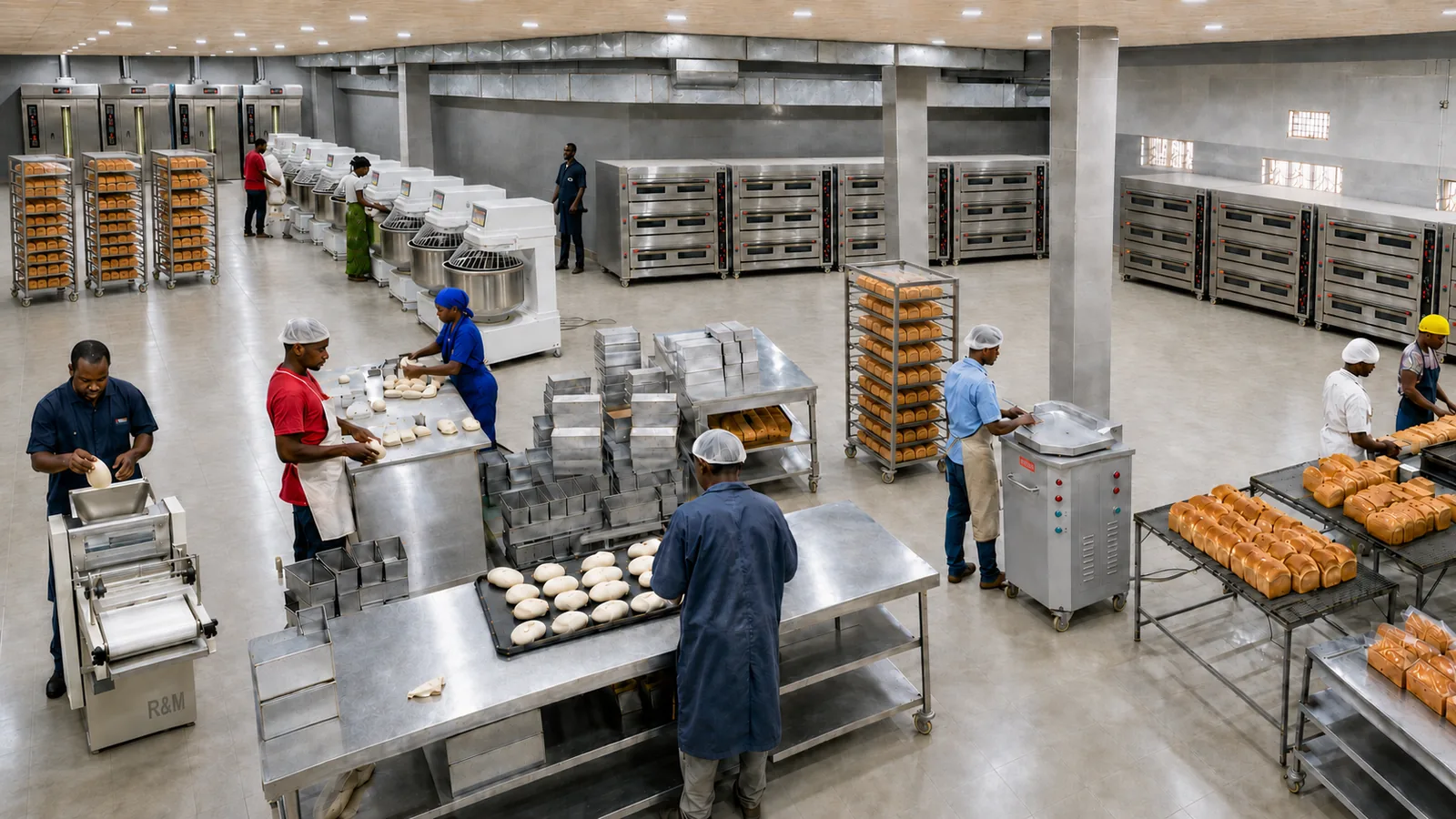
Engineer the Line Around Hourly Output
An industrial bakery is not a larger shop package. The system must be designed around product weight, hourly demand, fermentation, oven residence time, cooling and packaging format.
- Bulk flour, minor-ingredient and water dosing as required.
- Large-batch or continuous mixing with dough feeding and bowl handling.
- Industrial divider, rounder, moulder or sheeting/forming line.
- Intermediate and final proofing matched to line residence time.
- Tunnel, rotary or other baking system matched to products and line speed.
- Cooling, slicing, bagging, sealing, coding, inspection and conveying.
Before quotation: confirm pieces/hour or kilograms/hour, product weight, shift plan and packaging. Daily tonnage alone is not enough to size the line.
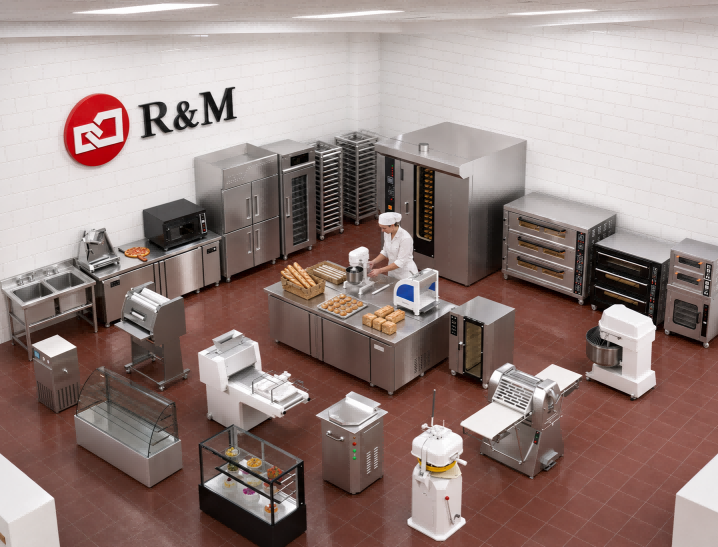
Customized Bakery.html Equipment Solution
We can recommend an equipment combination according to your bakery or restaurant, product mix, service model and required production rhythm. The goal is to create a coordinated process—not simply fill the room with machines.
Send your menu, target output, available space and utilities. We will prepare a preliminary shortlist and identify the questions needed for final selection.
Planning inputs
- Menu and recipe profile
- Batch size, schedule and output
- Floor plan, access and rack movement
- Voltage, gas, water and exhaust
- Labour and automation target
- Cooling, display and packing requirements
From Equipment List to Shipment & Start-Up
A structured selection process gives buyers clear decisions, realistic options and fewer surprises during installation.
01 — Define the Products
02 — Match the Process
03 — Review the Site
04 — Confirm the Package
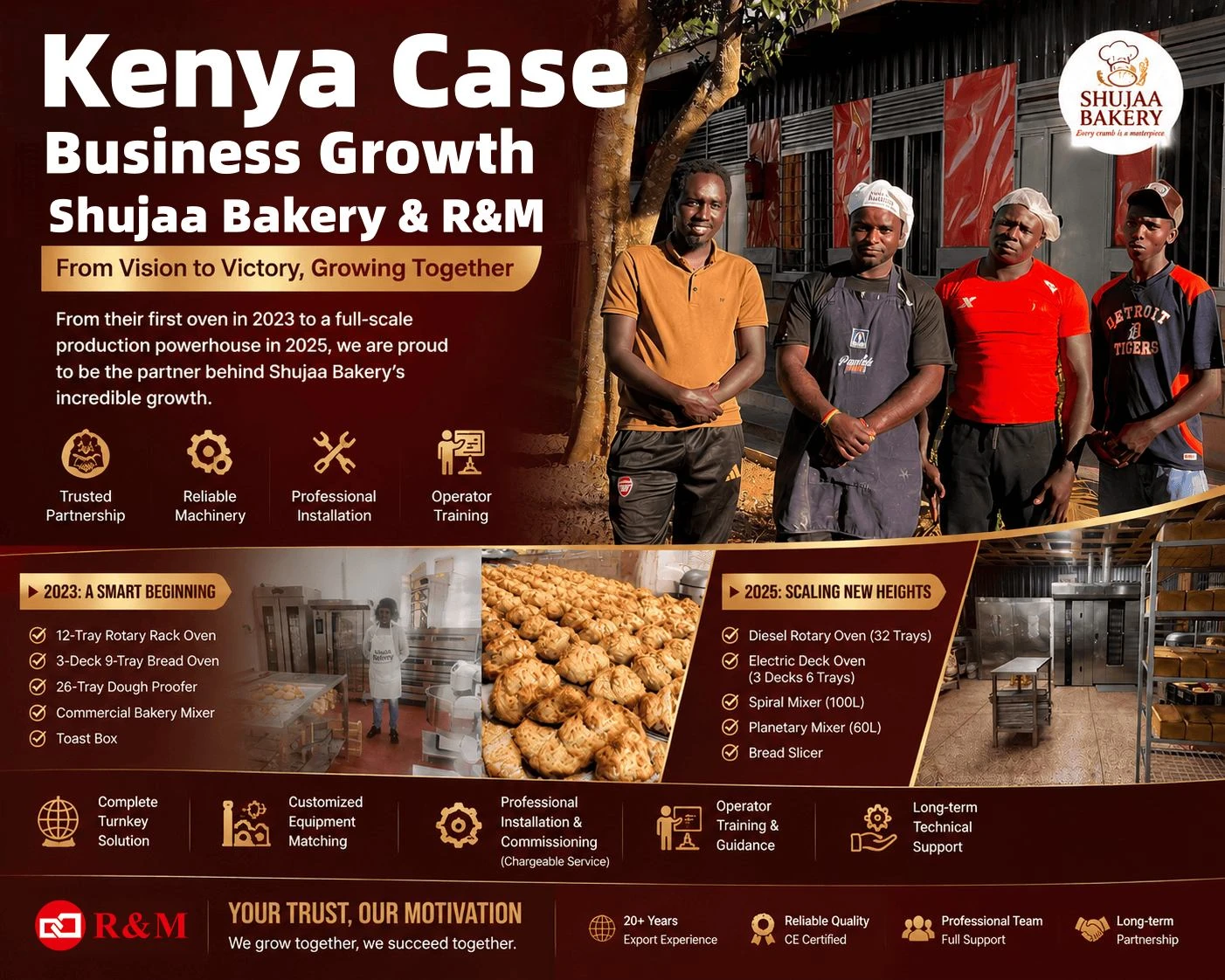
Shujaa Bakery.html: Equipment That Could Grow with the Business
A staged bakery solution can protect early investment while keeping a clear path to higher capacity and a wider product range.
2023: the project began with a core package for mixing, proofing and bread baking, including rotary and deck oven capacity.
2025: the customer expanded with larger rotary and deck baking, additional spiral and planetary mixing, and bread slicing.
The lesson: choose the first package for today’s real production, but keep enough utility, rack movement and workflow flexibility for the next phase.
Customer outcomes vary by project and operating conditions. Installation, travel and service scope depend on project and destination.
الأسئلة الشائعة حول معدات المخابز التجارية
Useful answers first; related search terms are included naturally without mechanical repetition.
Let’s Build the Right Bakery.html Equipment List
Tell us what you want to make and how you plan to operate. We will recommend a core package, identify product-dependent options and clarify the inputs needed before final quotation.
Send with your inquiry
Products • Piece weight • Target output • Available space • Voltage / gas • Automation level