
Glass ampoule vision inspection machines are core quality control equipment for injectable pharmaceutical production lines, utilizing high-precision industrial cameras and AI image recognition algorithms to automatically detect various defects of sealed ampoules, replacing traditional manual lamp inspection to upgrade product quality control efficiency and accuracy. Injectable drugs have extremely strict safety thresholds; tiny glass cracks, liquid foreign matter, insufficient filling volume and incomplete sealing will lead to drug safety risks, and manual inspection is limited by human fatigue, resulting in missing detection. The machine completely solves this industry pain point.
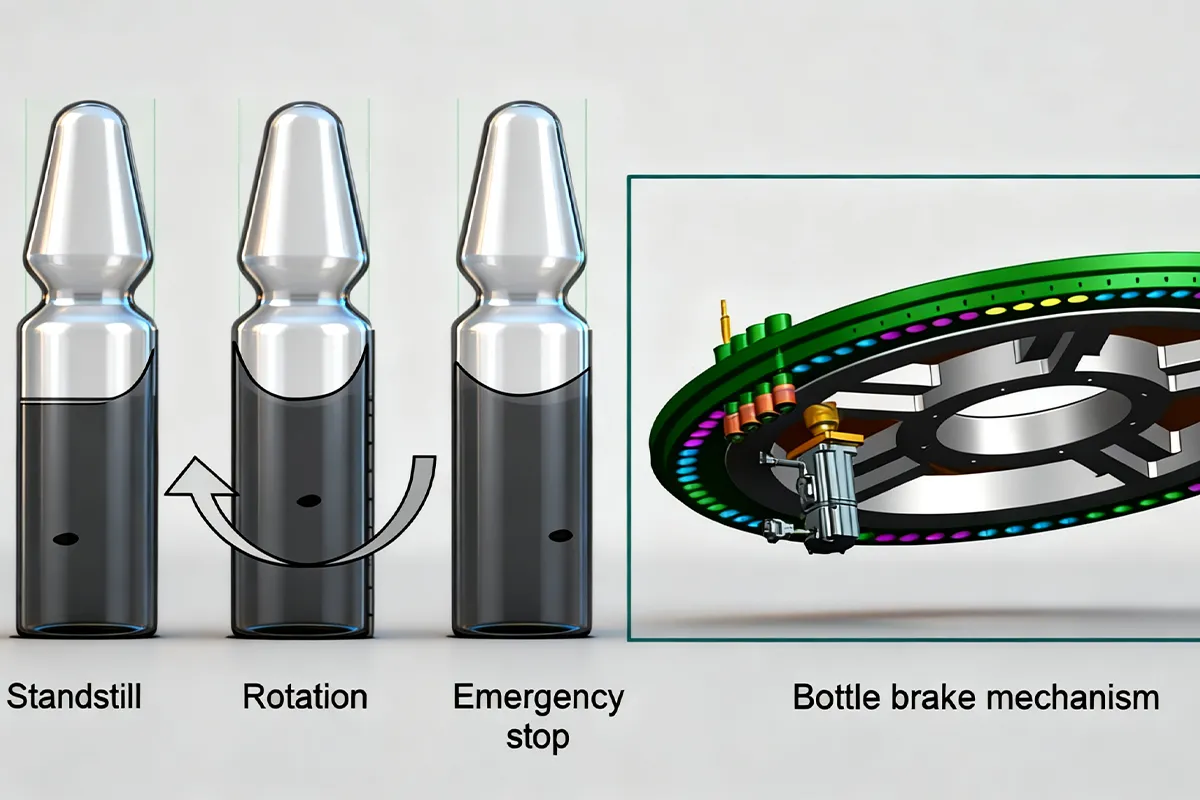
The inspection station is divided into three core working modes: standstill shooting, rotary scanning and emergency stop rejection, matched with multi-angle high-speed cameras to capture full-surface images of ampoules. The built-in bottle brake mechanism ensures each ampoule stays in a fixed position during scanning, avoiding blurry images caused by shaking. The AI system is pre-trained with thousands of defective ampoule samples, capable of identifying micro defects including glass chips, black spots, liquid bubbles, unfilled cavities and broken ampoule necks with detection accuracy up to 99.9%.
All transmission parts contacting ampoules use soft silicone fixtures to prevent glass breakage during high-speed conveying. The whole machine adopts fully sealed dust-proof design, suitable for Class 10000 clean pharmaceutical workshops, and the defective product automatic rejection channel separates unqualified ampoules without mixing with finished products. It supports linkage with front ampoule filling-sealing machines and rear labeling machines, realizing online uninterrupted inspection in the full production line.
From the compliance perspective, the inspection data of the machine can be automatically stored and exported, providing complete inspection records for GMP and FDA factory audits, which cannot be realized by manual inspection. For pharmaceutical enterprises producing high-volume injectable ampoules, one vision inspection machine can replace 6-8 lamp inspection workers, cutting labor costs while eliminating the unstable error rate caused by long-time manual visual work, greatly improving the overall product qualification rate of injectable drugs.


