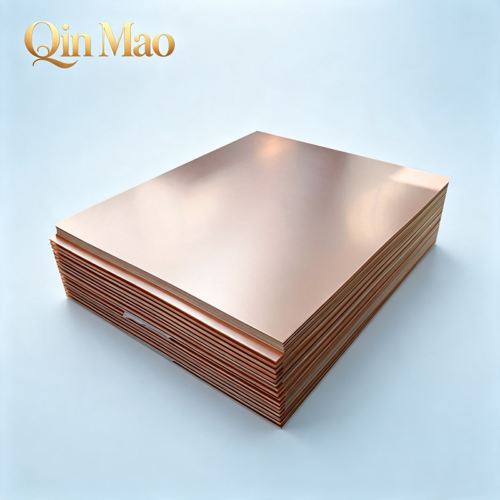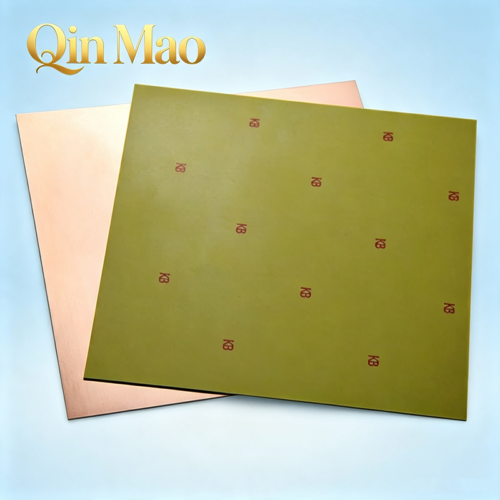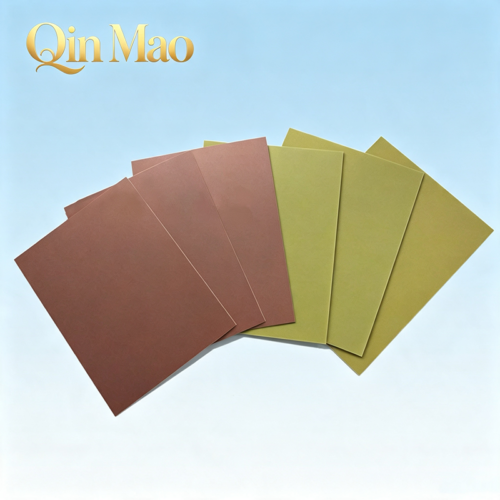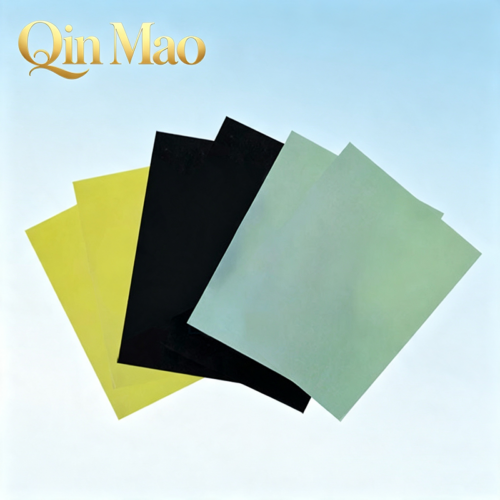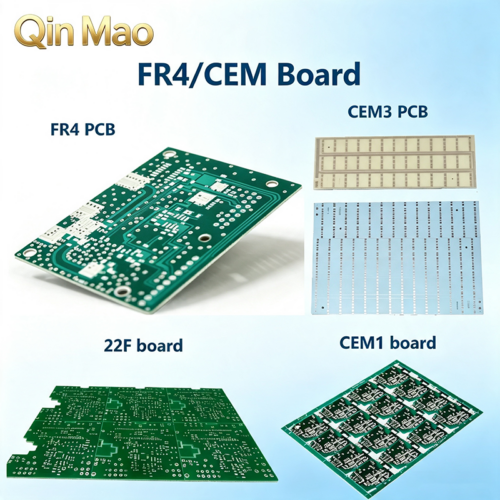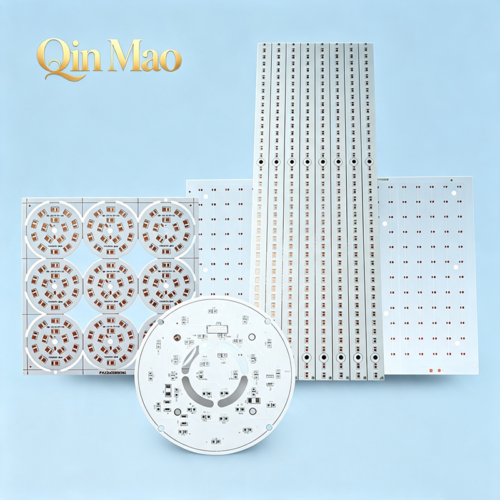
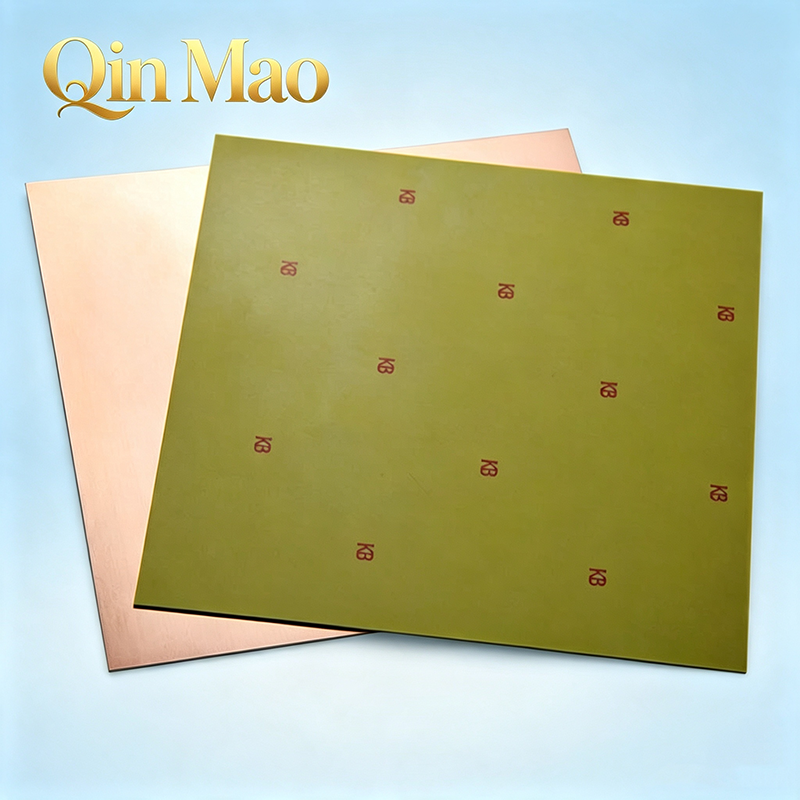
Bridge the gap between performance and budget. Discover why CEM-1 and CEM-3 are the go-to substrates for high-volume consumer, automotive, and industrial PCBs.
What Are CEM-1 and CEM-3?
While FR4 dominates the PCB industry as the gold standard, not every application requires its full suite of high-end properties. Enter CEM (Composite Epoxy Material) —a family of copper clad laminates that offer the perfect balance of cost-efficiency, machinability, and reliable electrical performance.
CEM materials are composite structures that combine the best of paper-based phenolic boards (like FR-2) and woven-glass epoxy boards (like FR-4):
-
CEM-1 is a composite material consisting of a paper core reinforced with woven glass fabric on the outer surfaces, bonded with epoxy resin. It is primarily used for single-sided PCBs.
-
CEM-3 is a composite material consisting of a non-woven glass (glass-mat) core with woven glass fabric on the outer surfaces, bonded with epoxy resin. It is primarily used for double-sided PCBs and closely mimics the appearance and performance of FR4.
Together, these materials represent the “workhorses” of the electronics industry—delivering reliable performance where it matters most, without overspending on unnecessary specifications.
CEM-1 – The Punchable Powerhouse for Single-Sided Designs
Composition & Structure
CEM-1 is a three-layer composite: woven glass fabric on the top and bottom, with a cellulose paper core in the middle, all impregnated with flame-retardant epoxy resin. This unique structure gives it a distinctive cream or light-yellow color when viewed from the edge.
Key Properties
-
Excellent Punchability: The paper core allows CEM-1 to be cold-punched (mechanical punching) rather than drilled. This drastically reduces processing time and tooling costs in mass production.
-
Good Electrical Insulation: Provides adequate dielectric strength and insulation resistance for standard consumer electronics operating at low to medium frequencies.
-
UL 94 V-0 Flame Retardant: Meets international safety standards for fire resistance.
-
Glass Transition Temperature (Tg): Typically around 125–130°C—suitable for low-power, non-lead-free soldering processes.
-
Moisture Absorption: Slightly higher than FR4, but fully acceptable for indoor consumer applications.
Typical Applications of CEM-1
-
📺 Television sets and monitors (chassis and power boards)
-
🔋 Power supplies and adapters (low-to-medium wattage)
-
💡 General LED lighting modules (non-automotive)
-
🎧 Audio equipment and home appliances
-
🖨️ Office automation devices (printers, copiers)
-
🎮 Consumer game consoles and remote controllers
CEM-3 – The Cost-Effective FR4 Lookalike for Double-Sided Boards
Composition & Structure
CEM-3 replaces the paper core of CEM-1 with a non-woven glass mat, while retaining woven glass fabric on the outer layers. This gives it a visual appearance—including its white or translucent edge—that is nearly identical to FR4, but with enhanced mechanical workability.
Key Properties
-
Superior Machinability: CEM-3 offers better punching and drilling characteristics than FR4. It extends tool life significantly and reduces burr formation, resulting in cleaner hole walls and lower manufacturing costs.
-
Closer to FR4 Performance: With a Tg of approximately 120–130°C and better thermal stability than CEM-1, CEM-3 can handle more demanding assembly processes.
-
Excellent Dimensional Stability: The non-woven glass core provides tighter dimensional control, making it suitable for surface-mount technology (SMT) assembly.
-
Good Thermal & Electrical Balance: While not as heat-resistant as high-Tg FR4, CEM-3 performs admirably in standard lead-free soldering environments (up to 240°C) for short durations.
-
Color & Finish: White or light-yellow edge appearance, easily accepting standard solder masks and surface finishes (HASL, ENIG, OSP).
Typical Applications of CEM-3
-
🚗 Automotive electronics (instrument clusters, sensors, interior controls)
-
💻 Computer peripherals (keyboards, mice, internal storage adapters)
-
📱 Mobile phone chargers and battery management boards
-
🏭 Industrial control panels and measurement equipment
-
📡 Communication devices (routers, modems, set-top boxes)
-
🧩 Multilayer hybrid designs where cost is a primary constraint
Why Choose CEM Series Laminates?
💰 Unbeatable Cost Efficiency
CEM-1 and CEM-3 significantly reduce material costs compared to FR4. More importantly, their superior machinability translates into lower fabrication costs—extending drill bit life by up to 50% and eliminating costly routing steps for simple outlines through punching.
⚡ Faster Manufacturing Turnaround
Cold-punching CEM-1 and high-speed drilling CEM-3 dramatically reduce CNC machining time. For high-volume orders, this translates to shorter lead times and faster time-to-market for your products.
🔧 Reliable for Mass Production
With consistent dielectric properties and predictable mechanical behavior, CEM laminates ensure high yields in high-speed production lines. They handle standard PCB wet processes (etching, plating, soldering) effortlessly.
🌍 Versatile Across Industries
From a simple power adapter to a complex automotive display module, CEM materials cover a vast spectrum of applications, making them an indispensable inventory item for any PCB manufacturer.
Making the Right Choice
Ask yourself these simple questions to choose the perfect CEM material:
-
Is your design single-sided, simple, and high-volume? → Choose CEM-1 for maximum savings and punching efficiency.
-
Is your design double-sided with SMT components, but cost is a major factor? → Choose CEM-3 for a reliable FR4 alternative with lower machining costs.
-
Does your design involve high power, high frequency, or more than 4 layers? → FR4 might be the better choice, but consider CEM-3 for hybrid layer builds.
CEM-1 and CEM-3 – engineered for those who demand reliability without the premium price tag. Ready to optimize your PCB material strategy? Contact our experts today to find the perfect CEM solution for your next project.