Behind every powerful transformer, every high-voltage switchgear, and every reliable PCB assembly lies an unsung hero—the insulating board. Discover why choosing the right insulation material is the most critical decision you’ll make for safety and longevity.
What Is an Insulating Board?
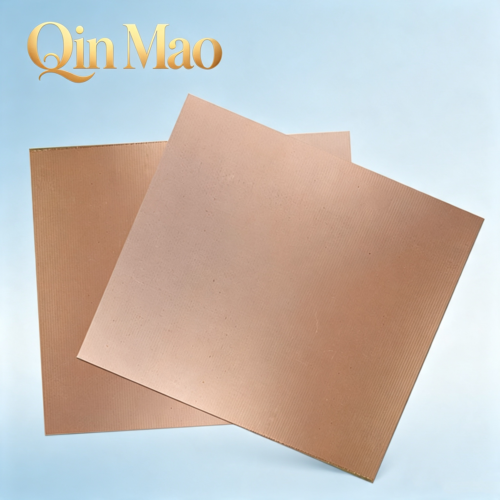
An insulating board (also known as an electrical insulation sheet or laminate) is a rigid or flexible sheet material engineered to provide high dielectric strength, mechanical support, and thermal resistance in electrical and electronic systems. Unlike copper-clad laminates (CCLs) which are designed for circuit tracing, insulating boards are bare substrates—purpose-built to isolate conductive components, prevent short circuits, and protect both equipment and personnel from electrical hazards.
Think of them as the “silent guardians” of every electrical installation. They work tirelessly behind the scenes, ensuring that current flows only where it’s supposed to—and nowhere else.
The Major Types of Insulating Boards
Different applications demand different material properties. Here are the most widely used insulating board families in the electronics and electrical industries:
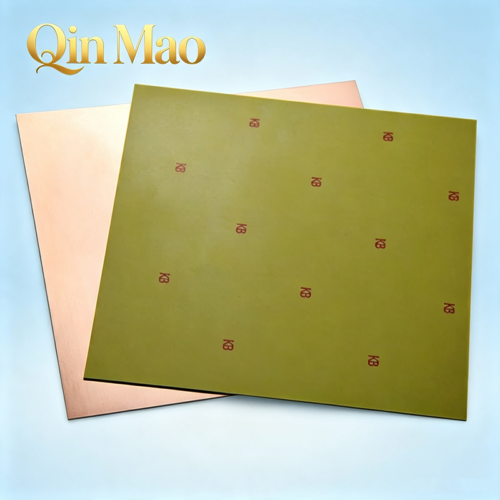
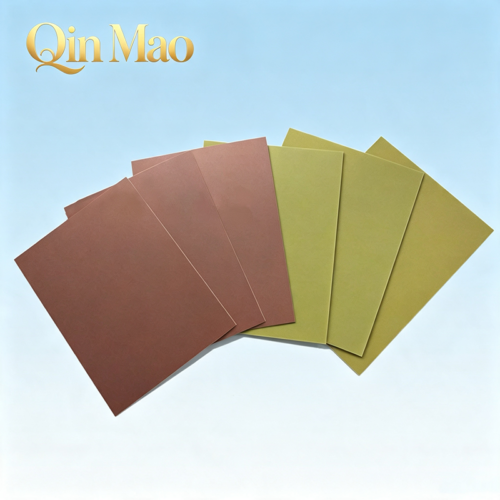
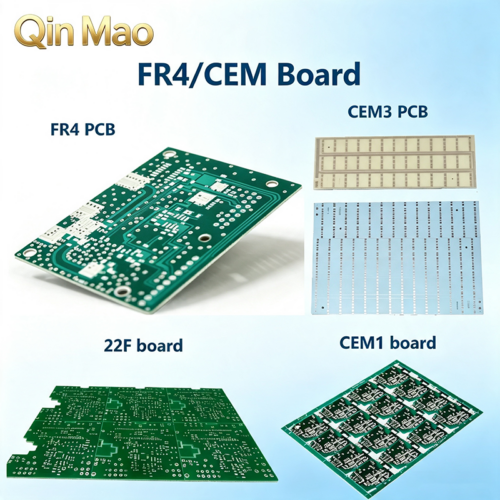
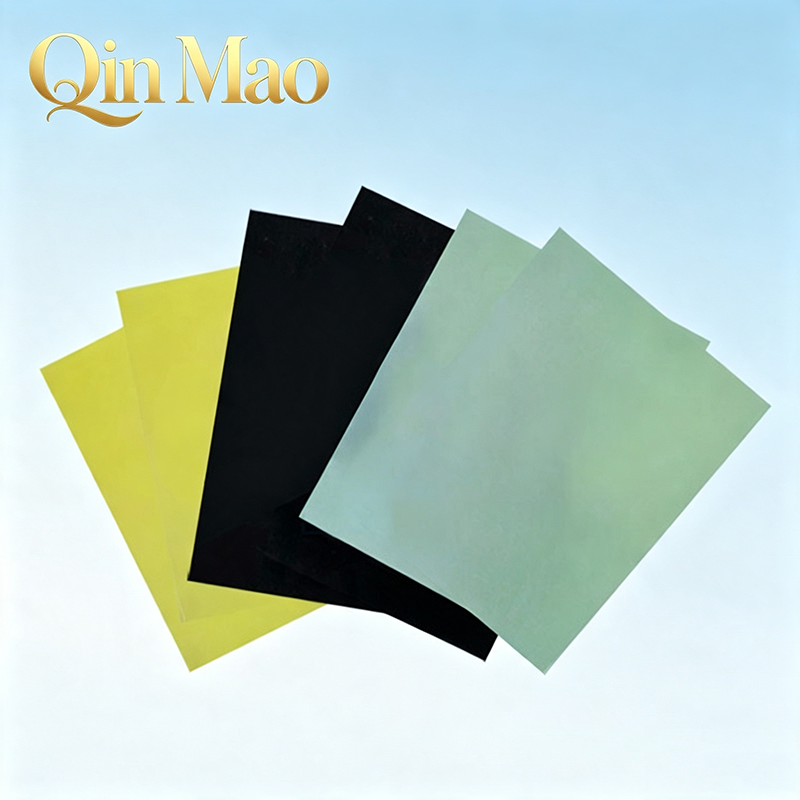
🟡 Epoxy Glass Cloth Laminates (FR-4 / G-10)
-
Composition: Woven glass fabric impregnated with epoxy resin, cured under high pressure and temperature.
-
Key Features: Exceptional mechanical strength, low moisture absorption, excellent dimensional stability, and UL 94 V-0 flame retardancy (FR-4 grade).
-
Available Thickness: 0.2 mm to 50 mm+
-
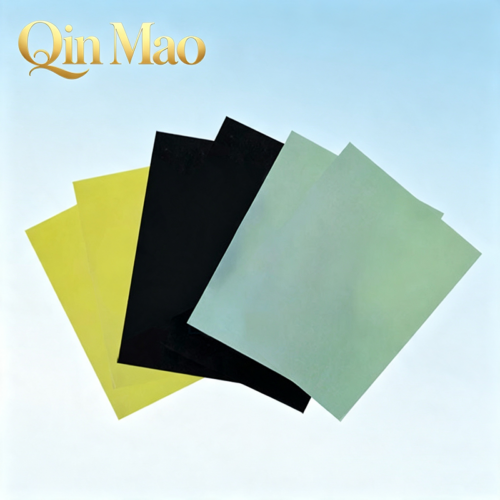
Color: Yellowish-green, white, or custom.
-
Best For: High-reliability structural insulation in transformers, busbar supports, switchgear, and PCB test fixtures.
🟤 Phenolic Paper Laminates (XP / FR-2)
-
Composition: Cellulose paper impregnated with phenolic resin.
-
Key Features: Cost-effective, excellent punchability (cold-punch compatible), and good dielectric strength for low-voltage applications.
-
Available Thickness: 0.5 mm to 50 mm.
-
Color: Natural brown or black.
-
Best For: Low-cost spacers, washers, terminal boards, and consumer appliance insulation.
🔶 Flexible Polyimide Films (PI / Kapton®-type)
-
Composition: High-performance polymer film.
-
Key Features: Outstanding thermal stability (-269°C to +400°C), excellent chemical resistance, and extreme flexibility.
-
Available Thickness: 12.5 μm to 125 μm.
-
Color: Amber/golden.
-
Best For: Wire wrapping, flexible circuits, battery cell insulation, and aerospace applications where space and weight are critical.
⚪ Rigid PVC / Polycarbonate Sheets
-
Composition: Extruded thermoplastic polymers.
-
Key Features: Good impact resistance, easy to fabricate, and cost-effective for general-purpose insulation.
-
Best For: Electrical enclosures, panel barriers, and low-voltage switchboard insulation.
Core Properties That Define Quality Insulation
Not all insulating boards are created equal. When selecting the right material, these performance metrics are non-negotiable:
| Property | What It Means | Why It Matters |
|---|---|---|
| Dielectric Strength | The maximum electric field a material can withstand without breakdown (kV/mm). | Prevents arc-over and short circuits, especially in high-voltage equipment. |
| High-Temperature Resistance | Maximum continuous operating temperature (e.g., Class F = 155°C, Class H = 180°C). | Ensures structural and electrical integrity in heat-intensive environments like motors and transformers. |
| Mechanical Strength | Flexural, compressive, and tensile strength. | Supports heavy busbars, coils, and components without warping or cracking. |
| Low Moisture Absorption | Resistance to water ingress (% weight gain). | Prevents degradation of dielectric properties in humid or outdoor environments. |
| Flame Retardancy | UL 94 rating (V-0, V-1, HB). | Critical for fire safety in consumer appliances, automotive, and industrial controls. |
| Dimensional Stability | Low coefficient of thermal expansion (CTE). | Maintains precise tolerances during assembly and temperature cycling. |
Where Are Insulating Boards Used?
The versatility of insulating boards means they appear in nearly every corner of the electrical world. Here are the most common application areas:
⚡ Power Distribution & Switchgear
-
Busbar insulation supports and phase barriers
-
High-voltage switchgear compartment linings
-
Transformer coil winding spacers and end-plates
🏭 Industrial Motors & Generators
-
Slot wedges and phase insulation in motor stators
-
Commutator segment insulation
-
Terminal block mounting bases
📱 PCB & Electronics Manufacturing
-
Test fixture platforms (drill entry/backing boards)
-
Solder wave pallets and carrier plates
-
Insulation between stacked PCBs and chassis
🔋 Electric Vehicles (EV) & Energy Storage
-
Battery pack cell isolation and internal lining
-
Busbar insulation in high-voltage battery management systems (BMS)
-
Thermal barriers between power modules
🏗️ Construction & Building Electrical
-
Fireproof electrical partitions and cable trays
-
Switchboard mounting panels
-
Insulating washers and spacers for structural electrical isolation
Why Quality Insulation Is Non-Negotiable
Choosing a low-quality insulating board is a false economy. Here’s why:
-
✅ Safety First: Substandard materials can degrade, carbonize, and eventually conduct. This leads to arcing, electrical fires, and catastrophic equipment failure—endangering both lives and assets.
-
✅ Operational Longevity: Premium epoxy-glass laminates resist tracking (surface creepage) and maintain high insulation resistance even after decades of service.
-
✅ Manufacturing Efficiency: High-quality boards provide precise flatness and thickness tolerance (±0.05 mm), eliminating production delays and rework due to warped or oversized sheets.
-
✅ Regulatory Compliance: Certified materials (UL, RoHS, REACH) ensure your products meet global market standards, avoiding costly recalls and penalties.
Market Trends & Industry Advancements
🌱 High-Temperature & Halogen-Free Grades
As power densities increase, demand for insulating boards with higher thermal classes (H-Class: 180°C and above) continues to rise. Simultaneously, halogen-free epoxy-glass laminates are becoming the new industry baseline, driven by stringent environmental regulations and green procurement policies.
🔧 Custom Fabrication Services
Today’s leading suppliers offer ready-to-use fabricated parts—die-cut, punched, routed, or water-jet cut to exact customer specifications. This shift reduces downstream handling, scrap, and assembly time for OEMs and contract manufacturers.
🚗 EV-Driven Innovation
The electric vehicle revolution has spurred demand for ultra-thin, high-flex polyimide films and rigid thermally conductive insulating sheets that provide both electrical isolation and heat dissipation in dense battery packs.
Standard Specifications & Availability
For most industrial applications, rigid insulating boards (epoxy glass and phenolic) are available in standard panel sizes, including:
-
40″ × 48″ (1020 × 1220 mm)
-
48″ × 96″ (1220 × 2440 mm)
-
Custom sizes and roll formats for flexible films
Thickness ranges from ultra-thin 0.1 mm flexible films up to heavy-duty 100 mm rigid blocks for structural insulation in large power transformers.
Surface finishes can be plain, matte, or adhesive-backed (with pressure-sensitive or heat-activated tape) for convenient application.
Make the Right Choice – Partner with Trusted Material Experts
Whether you’re designing a high-frequency transformer, a rugged industrial motor, or a state-of-the-art EV battery pack, the insulating board is your first—and most important—line of defense.
Don’t let the “silent guardian” become your system’s weakest link. Invest in certified, high-performance insulating materials that guarantee safety, reliability, and peace of mind for the entire lifecycle of your product.
Core benefits at a glance:
-
✅ High dielectric strength for uncompromised electrical safety
-
✅ Exceptional thermal endurance for demanding applications
-
✅ Superior mechanical stability for structural integrity
-
✅ Wide material portfolio (epoxy, phenolic, polyimide, PVC)
-
✅ UL, RoHS, and REACH compliant options available
-
✅ Custom fabrication services to streamline your production
Insulating Board – protecting your people, your equipment, and your reputation. Contact our technical specialists today to find the precise insulation solution for your project requirements.