Why Modular Construction Is Becoming a Practical Choice for Project Buyers
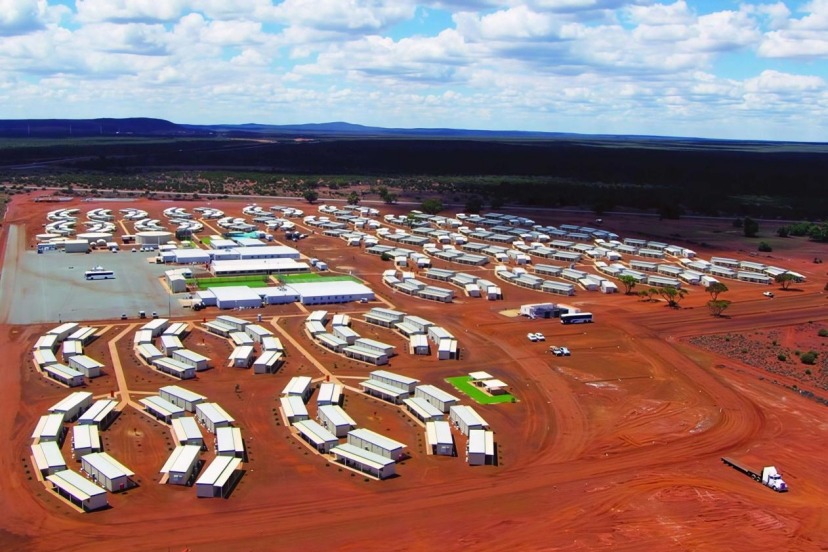
Modular construction is gaining more attention in project-based markets because it fits the way many buyers now plan and execute projects. In remote camps, temporary facilities, construction sites, and other infrastructure applications, speed and coordination often matter as much as the structure itself.
For project buyers, the appeal of modular construction is practical. It can shorten delivery cycles, reduce on-site complexity, and make planning easier across different project stages.
A Shift in Buyer Priorities
Project buyers are under growing pressure to deliver faster and manage risk more carefully. Traditional construction methods can still work, but they often require more on-site labor, longer timelines, and greater coordination.
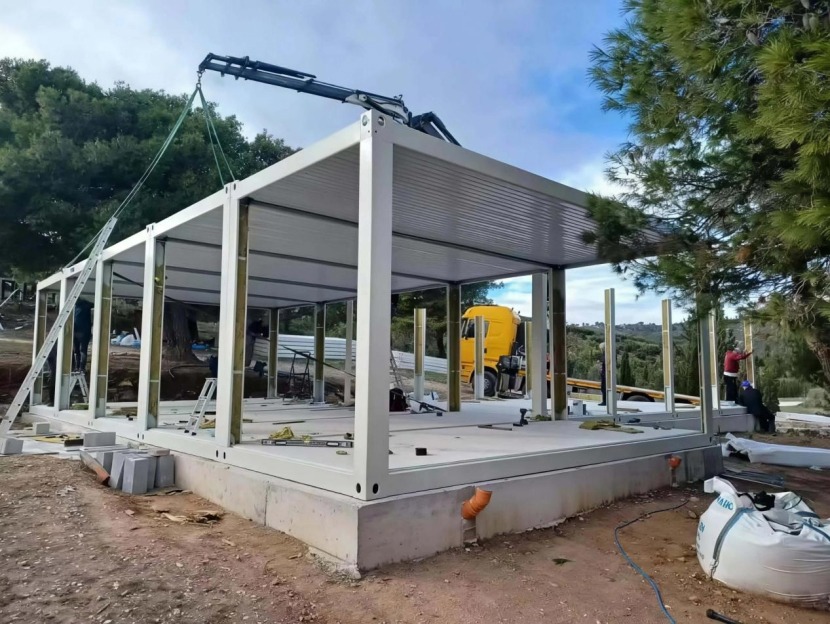
Modular construction offers a different approach. By moving a larger share of the work into a controlled production process, it gives buyers more predictability and less exposure to site-related delays.
Why It Works Well in Remote Projects
The advantages are especially clear in remote or difficult-to-access locations. These projects often face:
- limited local labor
- longer transport routes
- weather-related delays
- urgent deployment needs
- complex site conditions
In these situations, modular buildings can provide a faster path to usable space. That is why they are commonly used for worker accommodation, site offices, temporary kitchens, security rooms, and other project support functions.
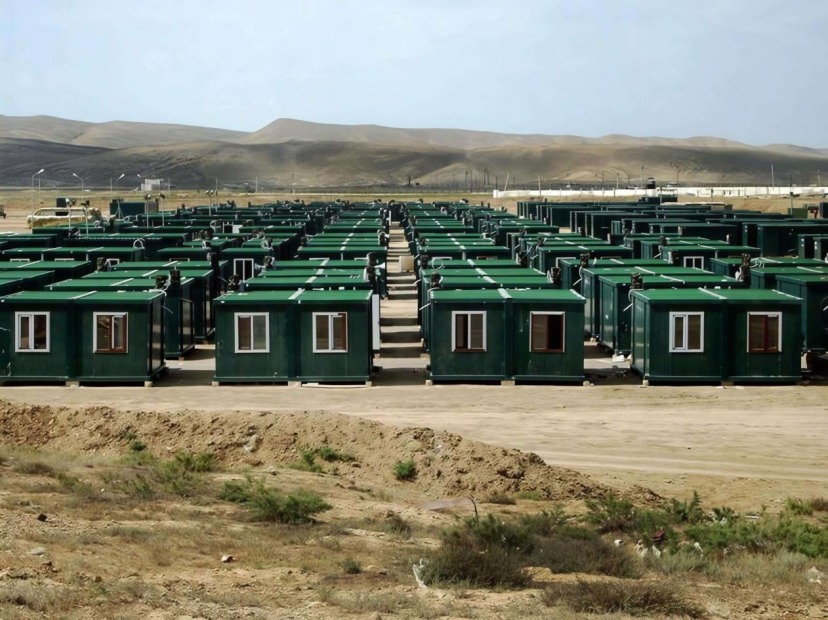
Buyers Want Clearer Planning Before Purchase
Before drawing a layout or choosing materials, the first step is to define the project purpose.
Ask these questions:
- Is the camp for workers, managers, or both?
- Will it be used for short-term or long-term operation?
- How many people need to stay or work there?
- Does the camp need office space, sleeping space, dining space, or washrooms?
- Will the site need storage, security rooms, or meeting areas?
A clear purpose helps determine the correct size, layout, and supporting systems. A camp for 20 workers is very different from a camp for 200 people.
Flexibility Remains a Key Advantage
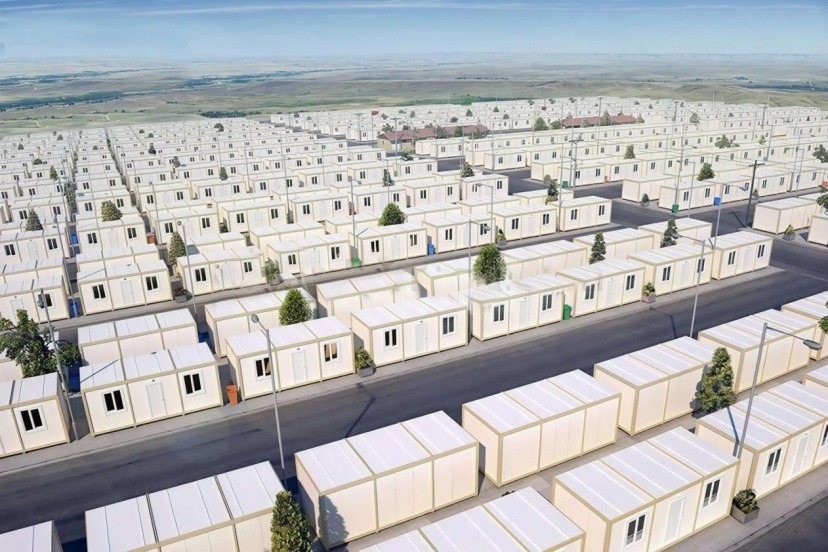
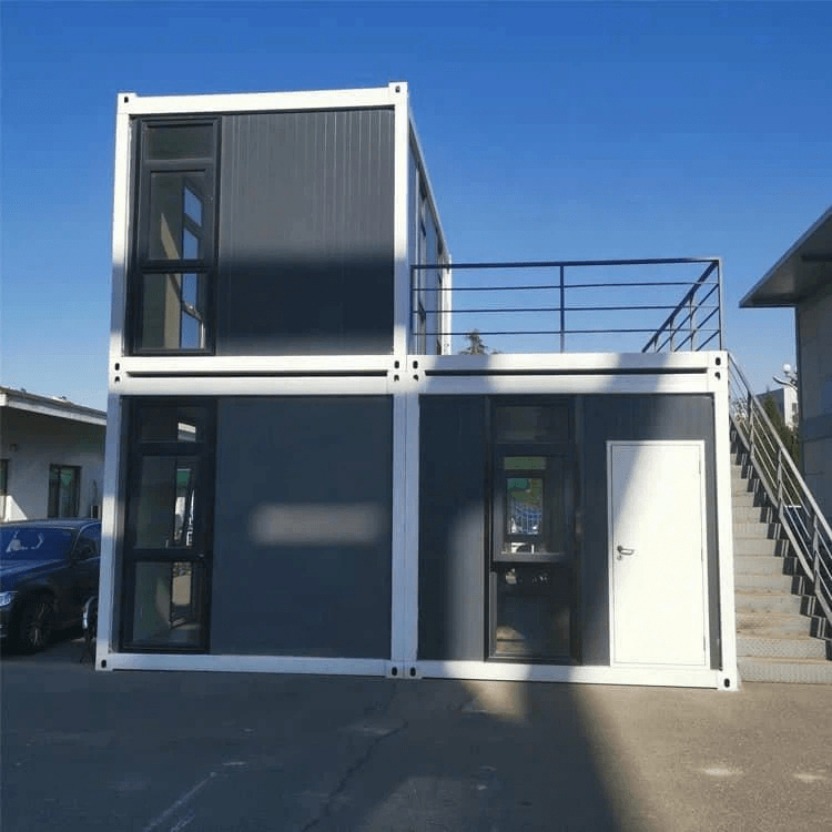
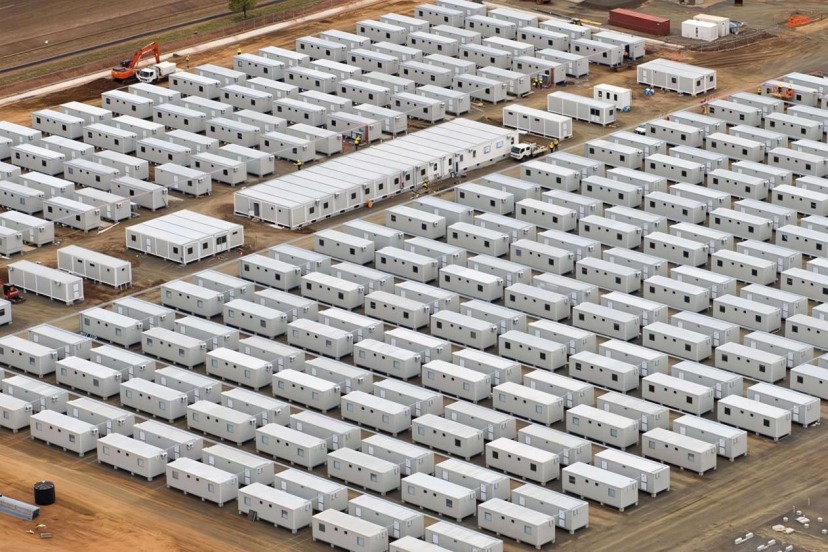
Many project buyers need solutions that can adapt as the project develops. Modular construction is attractive because it can often support phased expansion, multiple unit combinations, and different functional layouts.
That flexibility makes it easier for buyers to start with a smaller setup and expand later if the project grows.
What This Means for Suppliers
The market is shifting toward suppliers that can offer more than a product list. Buyers increasingly expect practical support, project thinking, and better communication.
For companies like Toprobuild, this creates an opportunity to stand out through:
- engineering experience
- planning support
- visual presentation
- solution-based supply
In project markets, that kind of support can be just as important as the product itself.
Conclusion
Modular construction is becoming a practical choice because it helps project buyers respond to the realities of modern procurement: faster timelines, more complex sites, and a stronger need for planning.
For remote camps and infrastructure projects, modular solutions offer a more efficient way to move from concept to delivery.
FAQ
1. Why is modular construction attracting more buyers?
Because it can reduce delivery time, simplify planning, and work well in project environments where speed matters.
2. Which applications are best suited to modular construction?
Remote camps, temporary facilities, site offices, worker accommodation, and other infrastructure support spaces.
3. Why is planning support important?
It helps buyers understand the layout, product combination, and installation requirements before they commit.
4. What gives modular construction its flexibility?
Its ability to support phased expansion, multiple layouts, and different project functions.