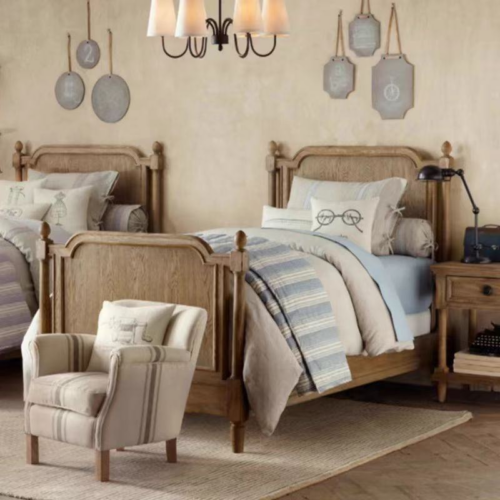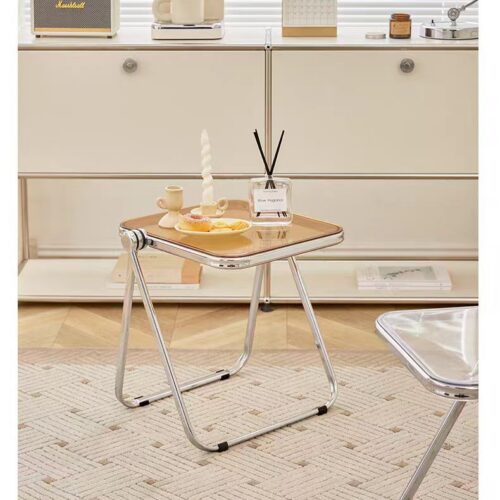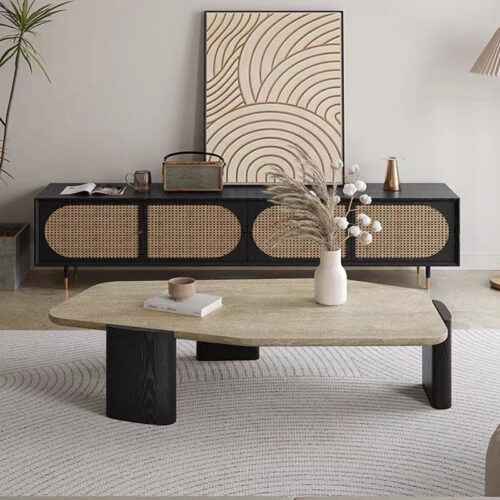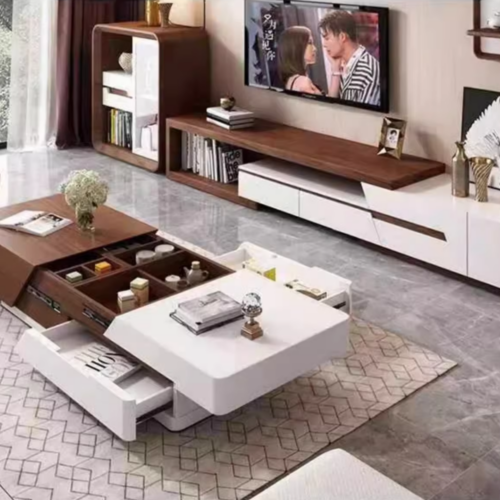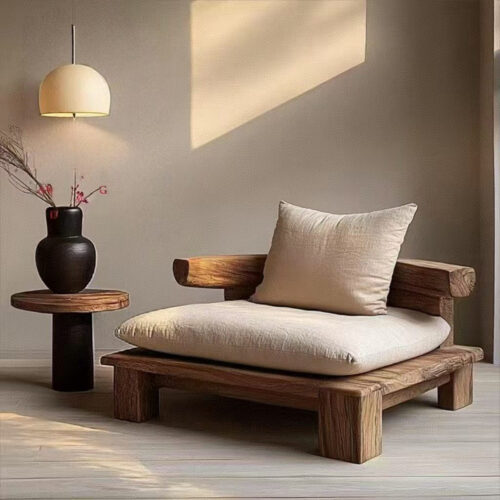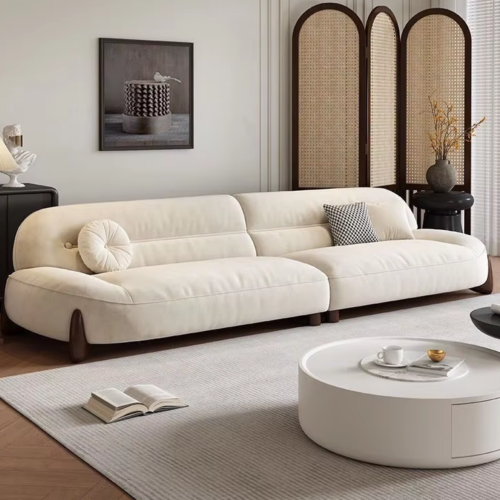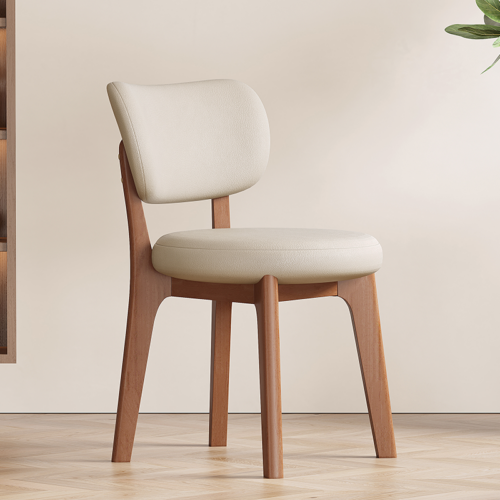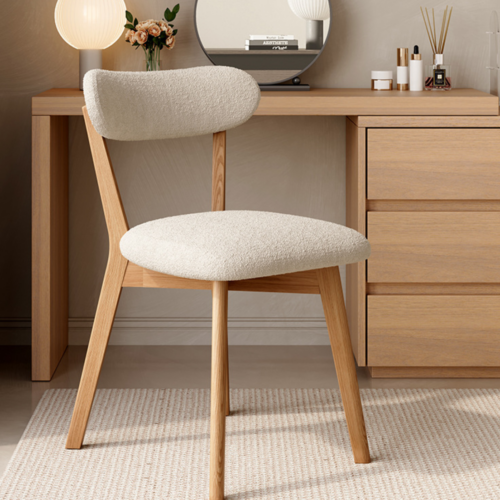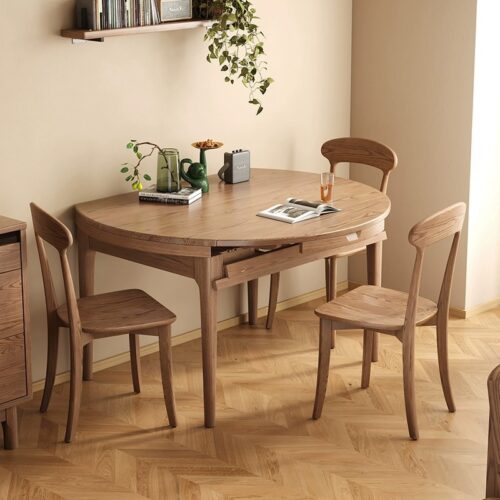
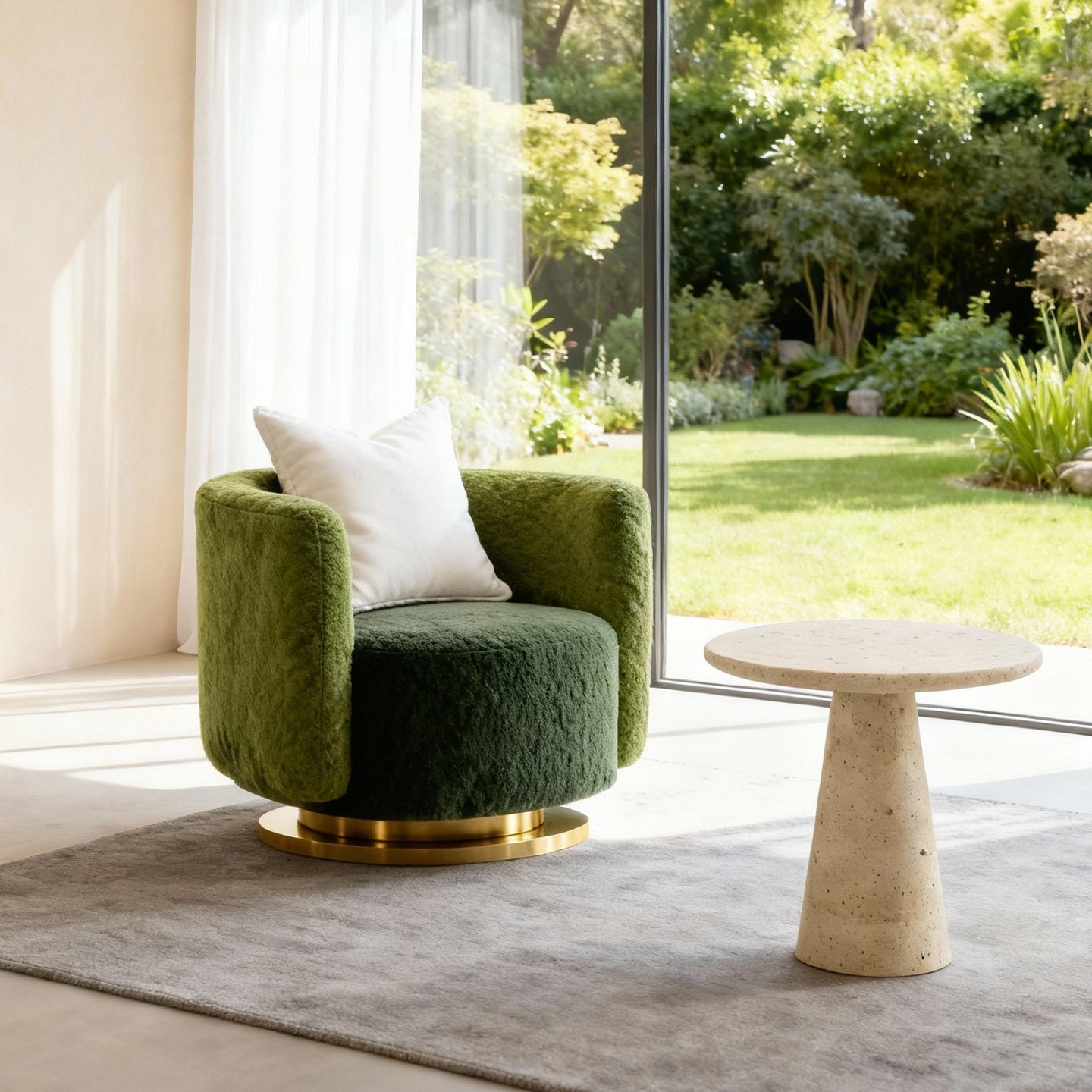
Rattan furniture has been popular for centuries, and it’s experiencing a major renaissance in 2026. With the rise of bohemian, tropical, coastal, and Scandinavian design, natural woven materials like rattan are more popular than ever. From dining chairs to sofa sets, outdoor patio sets to accent pieces, rattan adds warmth, texture, and organic style to any space.
For furniture importers, retailers, and e-commerce sellers, rattan furniture offers unique opportunities — high demand, good margins, and broad appeal across demographics. In this guide from QONKA HOME, China’s leading furniture manufacturer, we cover everything you need to know about sourcing and selling quality rattan furniture.
1. What Is Rattan?
Rattan is a naturally growing climbing palm that grows primarily in tropical regions of Southeast Asia (Indonesia, Malaysia, Philippines, Vietnam). It is extremely strong, lightweight, and flexible when woven, making it perfect for furniture.
Key facts about rattan:
- Natural: Sustainable and renewable — rattan grows quickly and is harvested responsibly in many regions
- Strong: The core of rattan is solid and very strong — stronger than many hardwoods
- Lightweight: Much lighter than solid wood, which makes shipping and moving easier
- Flexible: Can be woven and shaped into many intricate designs when steamed
- Warm texture: Adds natural, organic texture to any space

2. Rattan vs Wicker: What’s the Difference?
People often confuse rattan and wicker, but they are not the same thing:
Rattan is the material — the natural plant fiber used to make furniture.
Wicker is the weaving technique — any material can be woven into wicker (rattan, synthetic resin, willow, bamboo).
Most “wicker furniture” today is made from rattan, so the terms are often used interchangeably. But technically, all rattan wicker is rattan, but not all wicker is rattan.
3. Natural Rattan vs Synthetic Rattan
Today, furniture is made from both natural rattan and synthetic (PE/resin) rattan. Each has its advantages:
| Natural Rattan | Synthetic Rattan | |
|---|---|---|
| Material | Natural palm fiber | Polyethylene (PE) resin |
| Price | Mid-range | Entry to mid-range |
| Texture | Warm, organic, natural variation | Consistent, uniform |
| Outdoor use | Not recommended (will weather/rot) | Perfect — weather-resistant, UV-stable |
| Weight | Lightweight | Slightly heavier |
| Maintenance | Needs more care; keep dry | Low maintenance; easy to clean |
| Durability | Good indoors; 5-15 years | Excellent outdoors; 10+ years |
| Sustainability | Renewable natural material | Recyclable PE options available |
For indoor use, natural rattan is still the most popular choice for its authentic look and feel. For outdoor and patio use, synthetic rattan dominates the market because it can withstand the elements.
4. Most Popular Types of Rattan Furniture
Rattan is extremely versatile and used in many furniture categories:
| Category | Use Case | Demand Level |
|---|---|---|
| Dining chairs | Indoor dining rooms, outdoor patios | High |
| Sofa sets / sectionals | Living rooms, sunrooms, patios | High |
| Accent chairs | Bedrooms, living rooms, entryways | Medium-High |
| Coffee tables | Living rooms, patios | High |
| Dining tables | Dining rooms, outdoor dining | Medium |
| Bar stools | Kitchen islands, bars, patios | Medium-High |
| Bed frames / headboards | Bedrooms | Medium |
| Outdoor patio sets | Backyards, decks, poolsides | Very High |
| Wicker baskets | Storage, decor | Medium |
Rattan dining chairs and outdoor patio sets are the top sellers in most markets.
5. Quality Checklist for Rattan Furniture
When sourcing rattan furniture from manufacturers, look for these quality indicators:
Natural Rattan:
- Tight, uniform weaving: No gaps, loose ends, or fraying
- Solid core rattan: Avoid furniture that uses hollow bamboo or inferior materials for the frame
- Smooth, sealed finish: No sharp splinters; sealed to prevent moisture damage
- Secure joints: All joints should be tightly wrapped and secured with glue and bindings
- Sturdy frame: No wobbling; the frame should feel solid when you sit on it
Synthetic Rattan:
- High-quality PE resin: Avoid cheaper PVC that can crack and fade quickly
- UV-stabilized: Important for outdoor use — prevents fading and brittleness in sun
- Consistent weave: Even thickness throughout; no thin spots
- Aluminum frame: Powder-coated aluminum is lightweight, rust-proof, and strong for outdoor use
6. Care and Maintenance Tips
Rattan furniture can last for decades with proper care:
Indoor Natural Rattan:
- Keep away from direct sunlight: Sun can fade natural rattan over time
- Avoid high humidity: Excess moisture can cause mold and rot
- Clean regularly: Vacuum with brush attachment; wipe with damp cloth
- Condition periodically: Use boiled linseed oil to keep rattan supple and prevent drying out
Outdoor Synthetic Rattan:
- Easy to clean: Just hose down or wipe with soapy water
- Store indoors during winter: In cold climates, bring inside during freezing weather
- Cover when not in use: A furniture cover will keep it cleaner and extend its life
7. Why Rattan Furniture Is Still Popular in 2026
Rattan has outlasted many design trends and remains popular because:
- Organic texture: In an age of smooth plastics and metals, natural woven texture adds warmth and interest
- Lightweight: Easy to move and rearrange — perfect for open-plan living
- Versatile style: Fits bohemian, coastal, tropical, Scandinavian, farmhouse, and modern decor
- Sustainability: Natural rattan is a fast-growing renewable resource
- Affordable: Compared to solid wood furniture, rattan is often more affordable
8. FAQ — Rattan Furniture
Q: Is rattan furniture suitable for outdoor use?
A: Natural rattan is not suitable for full outdoor exposure because it will absorb moisture and eventually rot. Synthetic PE rattan is designed for outdoor use and is weather-resistant. If you want a natural rattan look on a covered patio, you can use natural rattan if it’s protected from rain and direct sun.
Q: How long does rattan furniture last?
A: Quality natural rattan furniture used indoors can last 10-20 years with proper care. Quality synthetic rattan used outdoors typically lasts 10-15 years. Cheaper quality furniture will last 3-5 years.
Q: Is rattan furniture comfortable?
A: Yes — the woven structure gives it a little give, and you add comfortable cushions to sofas and chairs. For dining chairs, rattan is lightweight and breathable, making it comfortable even in warm weather.
Q: Can you leave rattan furniture out in the rain?
A: Only synthetic rattan should be left out in the rain. Natural rattan will get waterlogged and start to break down. Even synthetic rattan benefits from being covered or brought inside during heavy storms or winter.
Q: What is the MOQ for rattan furniture from China?
A: Typical MOQs are 20-50 pieces per SKU for standard designs. Custom designs usually require 50-100 MOQ. Many factories accept mixed container orders with multiple SKUs to help smaller buyers meet shipping minimums.
Q: Does QONKA HOME offer both natural and synthetic rattan?
A: Yes — we manufacture both natural indoor rattan and synthetic outdoor rattan furniture. We can customize designs, weaves, finishes, and cushion fabrics to match your brand requirements. Contact us to request a quote or sample.
Conclusion
Rattan furniture continues to be a strong seller year after year, and demand remains high in 2026. Its natural texture, versatile style, and lightweight construction make it a favorite with consumers around the world. Whether you’re selling indoor natural rattan or outdoor synthetic rattan, there is strong demand across multiple demographics.
Partnering with a quality Chinese manufacturer like QONKA HOME lets you offer your customers beautiful, durable rattan furniture at competitive prices. We have years of experience manufacturing rattan furniture for global brands, with strict quality control and flexible OEM options.