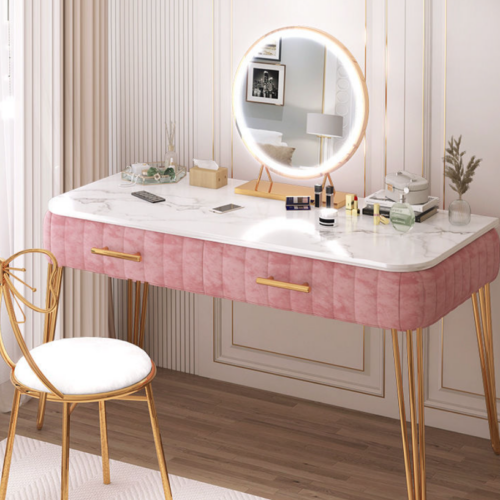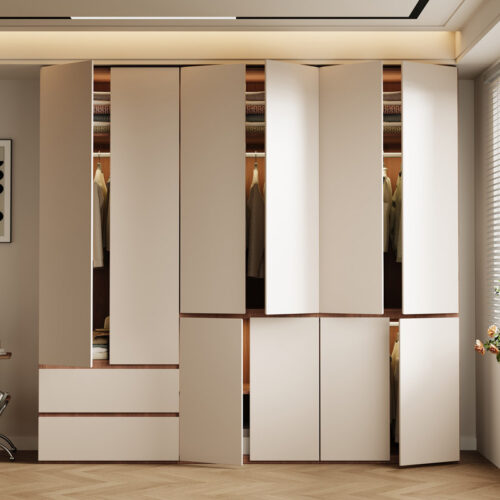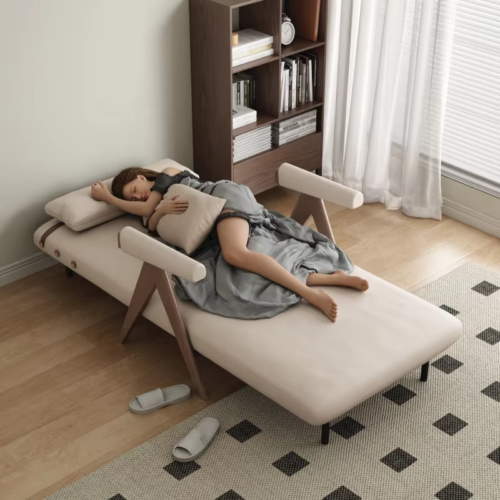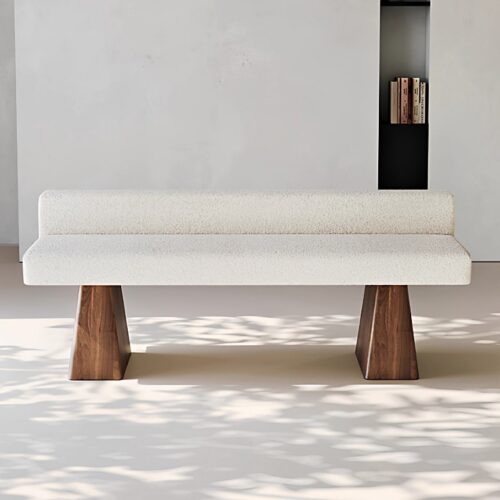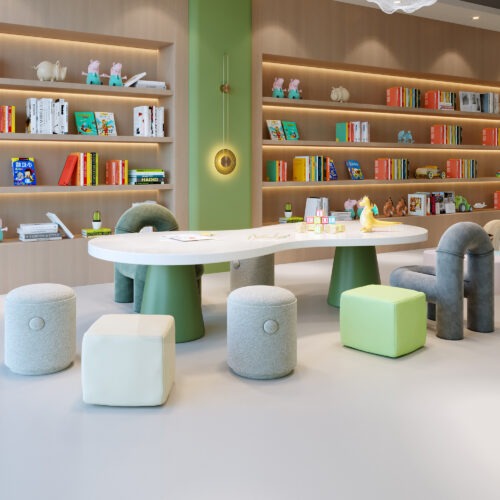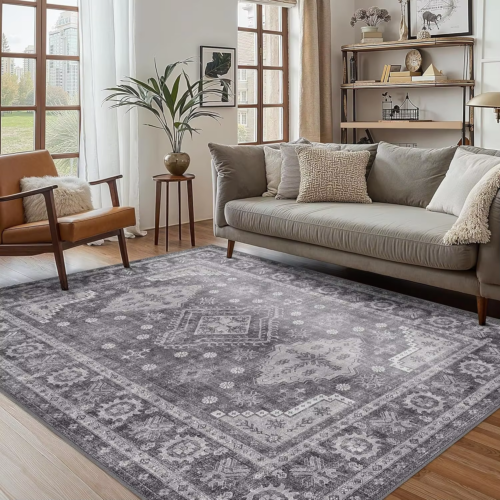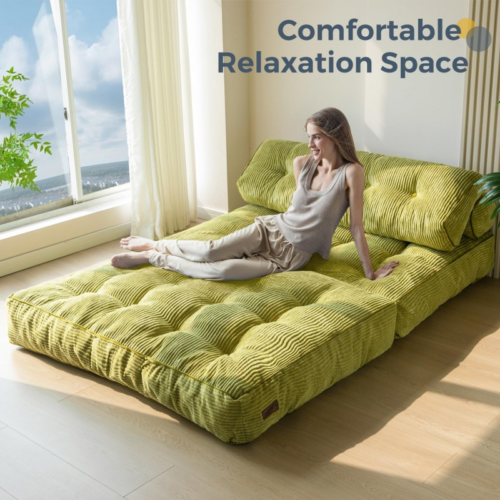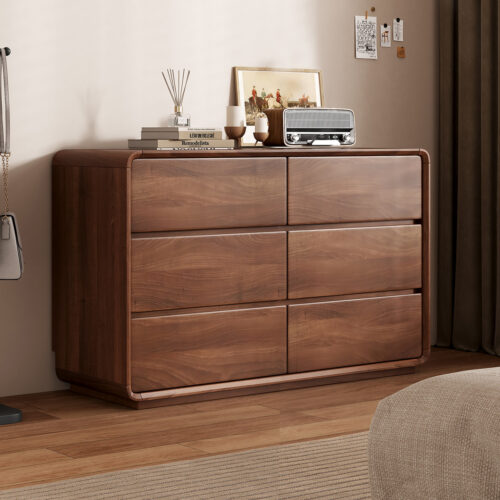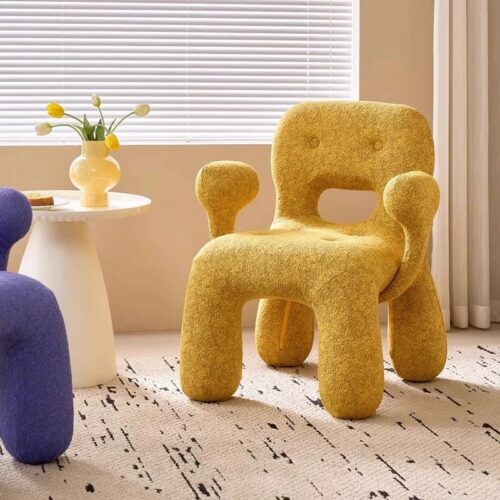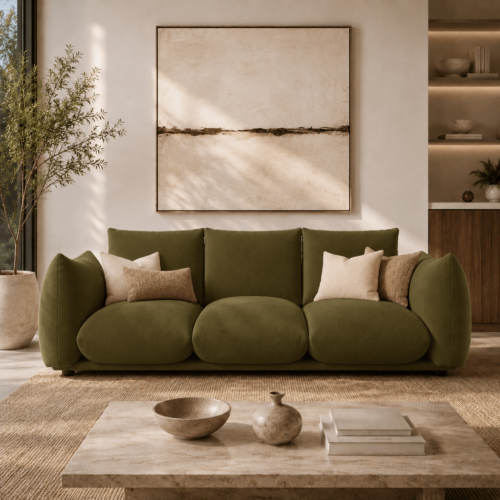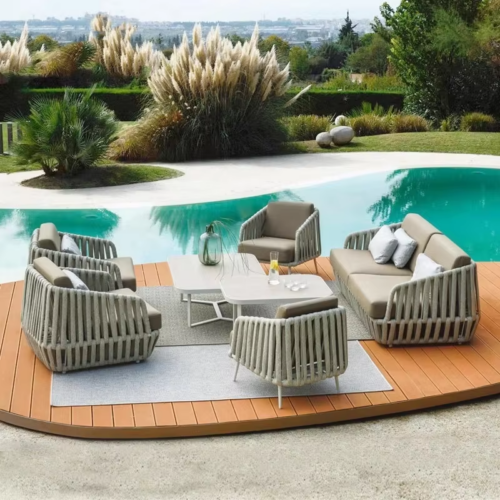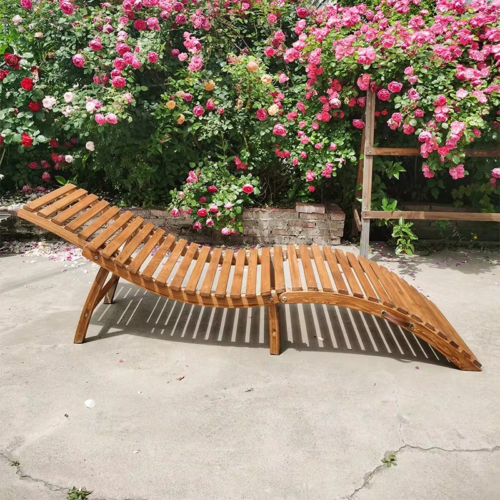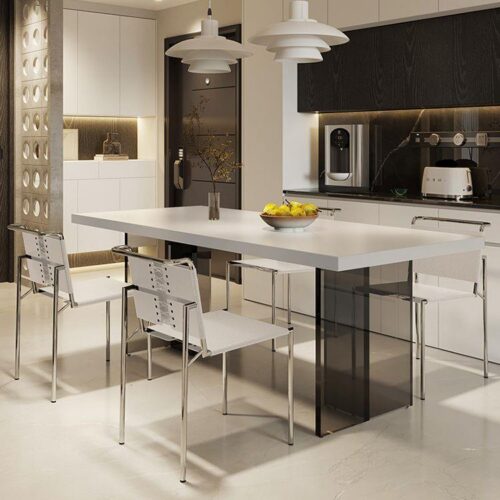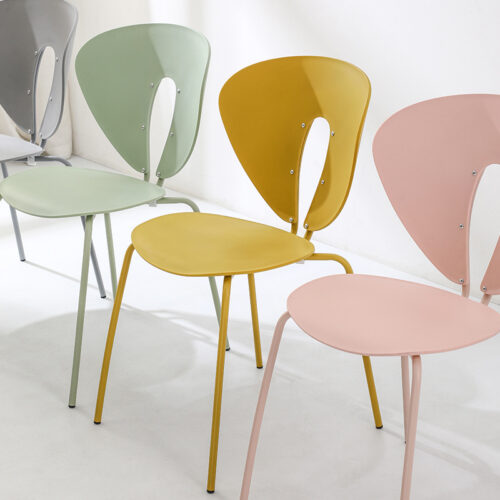
Minimalist furniture has evolved from a niche design trend into one of the dominant aesthetics of the 2020s. Characterized by clean lines, neutral colors, functional forms and a “less is more” philosophy, minimalist design has become the default modern furniture look across North America, Europe and beyond.
For furniture importers, retailers and e-commerce sellers, adding a well-curated minimalist furniture line is one of the most reliable growth strategies for 2026. In this guide from QONKA HOME — a Fuzhou Qiankun Manufacturing factory brand — we break down everything you need to know about minimalist furniture design, from core principles to sourcing strategy.
1. What Is Minimalist Furniture Design?
Minimalist furniture design is rooted in the idea that every piece should serve a clear purpose — and anything that does not serve a purpose should be removed. The result is furniture that feels clean, calm and uncluttered, with beauty coming from form, material and proportion rather than ornamentation.
While it shares some overlap with Scandinavian and mid-century modern styles, minimalist furniture tends to be even more stripped back — fewer curves, simpler silhouettes, less hardware, and a narrower color palette.
2. Core Principles of Minimalist Furniture
- Clean lines. Straight, uncluttered silhouettes with minimal curves and decoration. No ornate carvings, tufting or unnecessary hardware.
- Form follows function. Every element of the piece serves a functional purpose. If a detail is purely decorative, it is usually removed.
- Neutral color palette. White, black, gray, beige, natural wood tones and soft earth tones. Accent colors are used sparingly, if at all.
- Natural materials. Solid wood, linen, cotton, wool, leather, stone and metal. Materials are left in their most natural state — visible wood grain, matte finishes, unpatterned fabrics.
- Negative space. Minimalist design is as much about the space around the furniture as the furniture itself. Pieces are designed to leave breathing room.
- Quality over quantity. Fewer, better-made pieces rather than many cheap ones. Minimalist buyers value craftsmanship and durability.
- Symmetry and balance. Asymmetry is rare in pure minimalist design. Pieces feel balanced, centered and orderly.
3. Why Minimalist Furniture Is Still Growing in 2026
Minimalist design has been growing steadily for over a decade, and there are several structural reasons it will continue to dominate in 2026 and beyond:
- Urbanization and smaller living spaces. As more people move into cities and apartment sizes shrink, buyers actively seek furniture that does not feel bulky or overwhelming. Minimalist design makes small spaces feel larger and more open.
- Remote work & home office boom. Cluttered spaces are stressful. With more people working from home, there is growing demand for calm, uncluttered living and working environments.
- Social media influence. Platforms like Instagram, Pinterest and TikTok are flooded with minimalist interior inspiration. Hashtags like #MinimalistHome and #MinimalistDecor generate billions of impressions every year.
- Versatility. Minimalist furniture blends with almost any existing decor style — Scandinavian, Japandi, industrial, modern, even transitional. Buyers do not need to redecorate their entire home to add one piece.
- Cross-price appeal. Minimalist design works at every price point — from budget flat-pack to premium solid wood. It is accessible to all buyer segments.
- Timelessness. Unlike trend-driven styles that fade in 1-2 years, minimalist furniture has a 10+ year design lifespan. This reduces the risk of buying inventory that quickly goes out of style.
4. The 10 Essential Pieces in a Minimalist Furniture Collection
Building a minimalist furniture program? Start with these 10 high-volume, high-margin categories:
Minimalist Fabric Sofas

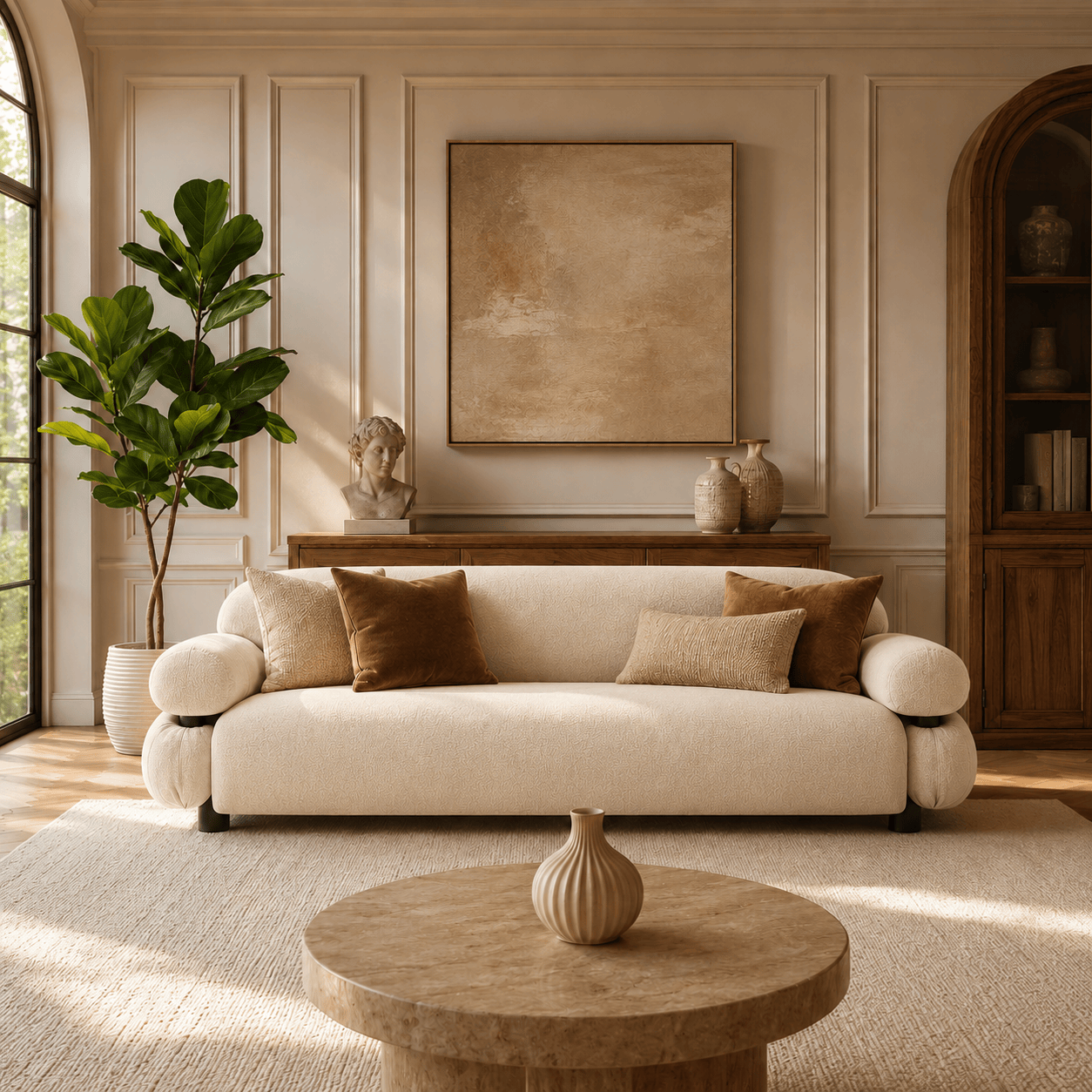
A low-profile, simple-lined sofa in a neutral fabric is the anchor of any minimalist living room. Linen, textured cotton and performance fabrics in off-white, beige, light gray and charcoal are all strong sellers. The key is clean lines, plush cushions, and slim legs — nothing that draws attention to itself.
Explore our minimalist fabric sofa collection for OEM inspiration.
Minimalist Dining Chairs
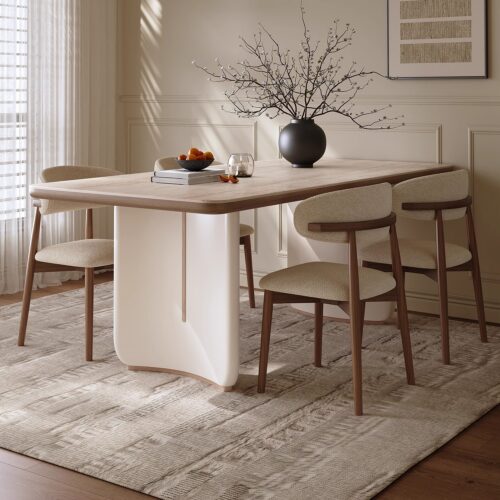
Dining chairs are the volume seller of any minimalist program. Simple wood-frame chairs with upholstered seats or fully upholstered minimalist designs both sell well. Look for clean lines, tapered legs and neutral finishes. Buyers typically purchase 4, 6 or 8 dining chairs per set, making this a high-volume category.
Minimalist Coffee Tables
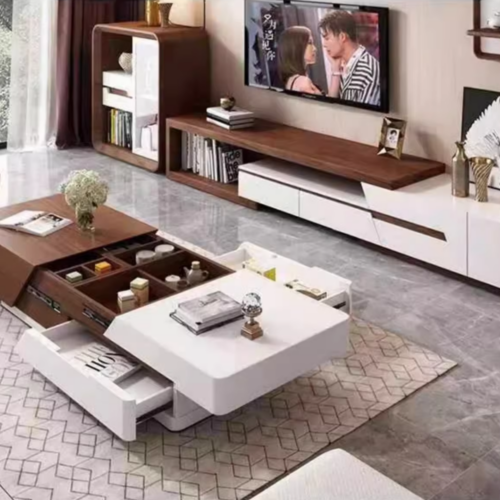
A simple coffee table — round or rectangular, in light oak, walnut or matte black — is the finishing piece of every minimalist living room. Minimalist coffee tables tend to have a low profile and a single material (all wood, all glass, all metal) for a clean, uncluttered look.
Minimalist Accent Chairs
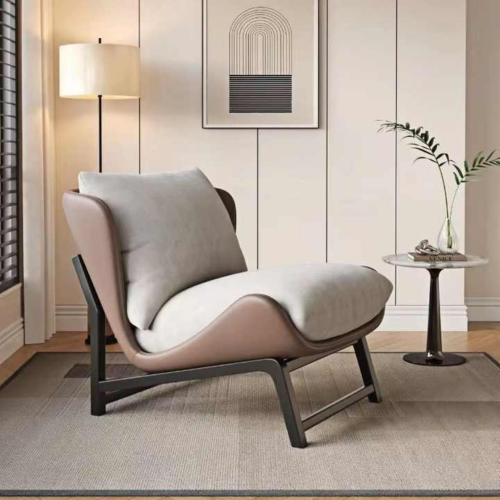
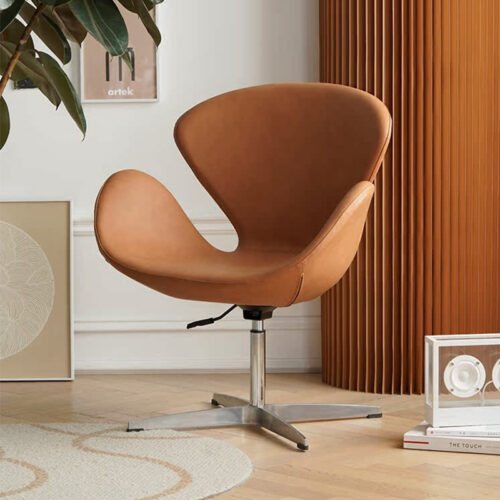
Accent chairs add personality without clutter. In a minimalist collection, look for simple sculptural forms — bucket chairs, egg chairs, sling chairs and simple lounge chairs — in a single color with minimal hardware.
Minimalist Beds & Bed Frames
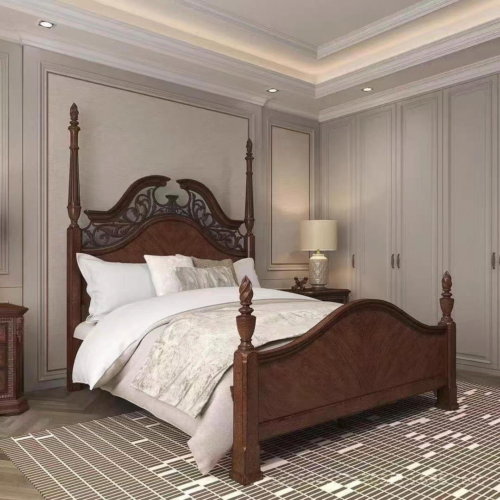
Platform beds and low-profile bed frames in light oak, walnut or matte black finishes are cornerstone pieces of minimalist bedrooms. Upholstered minimalist beds (in linen or bouclé) are also popular, especially in premium segments.
Minimalist Side Tables & Nightstands
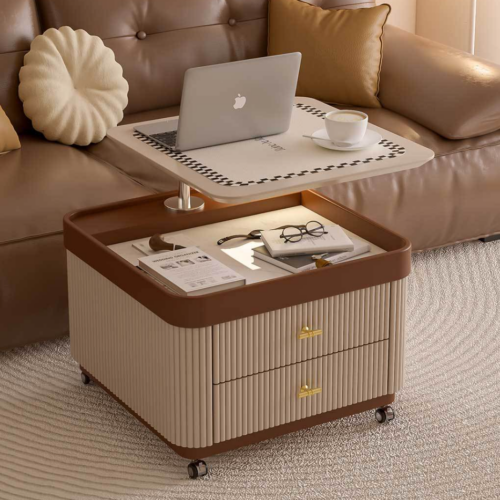
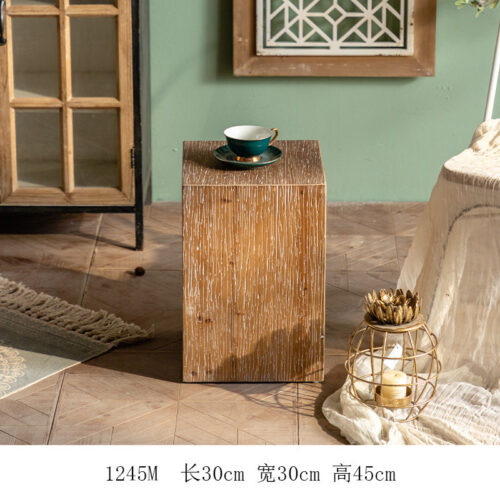
Small wooden side tables, bedside tables and nightstands in natural wood finishes are essential complementary pieces. They are relatively inexpensive to ship, easy to mix and match, and great for raising average order value when sold as a pair.
Minimalist Dining Tables
Simple rectangular or round dining tables in solid wood or with a minimalist pedestal base anchor any minimalist dining room. Look for clean lines, natural wood grain and minimal leg detail.
Minimalist TV Stands & Media Consoles
Low-profile media consoles with clean lines and hidden storage are essential for modern living rooms. Matte black, oak and walnut finishes all perform well in the minimalist segment.
Minimalist Bookcases & Shelving
Open shelving units and ladder bookshelves with a simple frame are popular display and storage pieces for minimalist interiors. The design is simple, the production is efficient, and the price point is accessible.
Minimalist Desks & Home Office Furniture
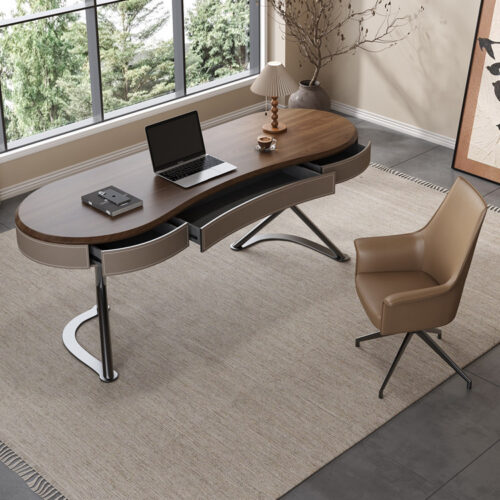
With the work-from-home boom, minimalist desks and home office chairs have become fast-growing categories. Simple writing desks in natural wood or matte black are consistent bestsellers.
5. Minimalist Furniture Materials & Color Palette
| Category | Minimalist Favorites |
|---|---|
| Wood finishes | White oak, natural oak, ash, walnut, matte black, white painted |
| Upholstery fabrics | Linen, cotton, performance fabric, bouclé (in neutral tones only) |
| Metal finishes | Matte black, brushed nickel, brushed brass (sparingly) |
| Stone / tabletops | Marble (white/gray), concrete, sintered stone |
| Primary colors | White, off-white, cream, beige, light gray, charcoal, black |
| Accent colors | Soft sage green, dusty blue, terracotta (used very sparingly — usually only in accessories) |
The overall palette is light, neutral and calm — the furniture recedes into the space rather than demanding attention. Texture comes from the natural grain of wood, the weave of linen fabric and the matte finish of metal — not from patterns or decoration.
6. Minimalist vs. Scandinavian vs. Mid-Century Modern: What Is the Difference?
These three styles are often confused — and they do overlap. But there are important differences that affect which products you should include in each collection:
| Feature | Minimalist | Scandinavian | Mid-Century Modern |
|---|---|---|---|
| Lines | Very clean, straight, geometric | Soft, slightly rounded, organic | Angular, sculptural, tapered legs |
| Wood tone | Very light or very dark (less mid-tones) | Light oak, beech, birch | Walnut, teak, warm medium tones |
| Ornamentation | Virtually none | Minimal but with some texture | More — angled legs, patterned wood, sculptural arms |
| Color palette | Very narrow — mostly neutrals | Mostly neutrals + soft pastels | Warmer — wood tones + mustard, teal, orange |
| Feeling | Calm, ordered, quiet | Warm, cozy, hygge | Retro, playful, statement-making |
| Best seller categories | Sofas, dining chairs, desks | Lounge chairs, dining sets, boucle chairs | Sideboards, lounge chairs, accent tables |
Many retailers successfully mix all three in a “modern furniture” umbrella category. But for branding and merchandising, it helps to understand the distinctions — especially if you are building separate collections or landing pages for each style.
7. Why China Factories Are the Best Source for Minimalist Furniture
While minimalist design originated in Western architecture and design, the majority of minimalist furniture sold worldwide is now manufactured in China — and with good reason:
- Cost efficiency. Chinese factories can produce high-quality minimalist furniture at 40-60% lower cost than European or North American factories, with comparable quality standards.
- Material supply chain. China has the world largest supply chain for wood, fabric, metal and hardware — giving you access to every material needed for a complete minimalist collection, all through one factory partner.
- Precision manufacturing. Minimalist design depends on clean lines and precise joinery. Modern Chinese furniture factories use CNC cutting, precision drilling and quality-controlled production to deliver the exact tolerances that minimalist pieces require.
- Scale & flexibility. Scale from small test orders to full container loads, and from 20-foot containers to multiple 40-HQ containers per month.
- OEM customization. Customize dimensions, finishes, fabrics, hardware and packaging — all standard practice in Chinese furniture manufacturing.
- Quality control. Established factories like QONKA HOME have 3-stage QC processes and accept third-party inspections (SGS, BV, Intertek, etc.), so you know exactly what you are getting.
The key is working with the right factory partner — one that understands minimalist design principles and can consistently deliver the clean lines, smooth finishes and precise joinery that the style requires.
8. How to Source Minimalist Furniture from QONKA HOME
At QONKA HOME (Fuzhou Qiankun Manufacturing Co., Ltd.), we specialize in modern and minimalist furniture for export markets. Our Fuzhou factory handles every step of your minimalist furniture program:
- Full catalog selection. Browse hundreds of existing minimalist SKUs — sofas, dining chairs, coffee tables, accent chairs, beds, storage, and more — ready to private-label under your own brand.
- OEM customization. Customize dimensions, wood finishes, upholstery fabrics, cushion firmness, hardware and packaging to match your brand and target market.
- Mixed container orders. Combine multiple categories in a single container for maximum efficiency — sofas, dining sets, accent chairs, coffee tables and more all from one factory.
- Sample-first process. Order 1-2 samples first to review quality, fit and finish before committing to a bulk order.
- 3-stage QC. Raw material inspection, in-line production checks and final pre-shipment inspection — all documented with photos and reports.
- Flexible MOQ. Standard MOQ from 10-50 pieces per style, with flexible mixed-container programs for new buyers.
- 25-45 day lead time. Fast, reliable production with clear timelines communicated before order confirmation.
Browse our full sofa, dining chair, accent chair and coffee table collections for minimalist inspiration, or contact our sales team to discuss your specific OEM requirements.
Frequently Asked Questions
What is minimalist furniture style?
Minimalist furniture style is a design aesthetic characterized by clean lines, simple forms, neutral colors, functional design and a “less is more” philosophy. Every element of the piece serves a purpose — purely decorative details are removed. The result is furniture that feels calm, uncluttered and timeless.
Is minimalist furniture still in style in 2026?
Yes — minimalist furniture is more popular than ever in 2026. It has grown from a niche trend into the default modern furniture aesthetic across most of North America, Europe and Asia-Pacific. Unlike fast-fashion trends that fade in 1-2 years, minimalist design has been steadily growing for over a decade and shows no signs of slowing down.
What wood is used in minimalist furniture?
The most popular woods for minimalist furniture are white oak, natural oak and ash (for light tones), and walnut or matte black (for dark accents). The wood is usually finished with a clear matte or satin coating that shows the natural grain, rather than a high-gloss or painted finish.
Can I customize minimalist furniture with my own brand?
Absolutely. QONKA HOME offers full OEM and private-label customization for minimalist furniture. You can customize dimensions, wood finishes, upholstery fabrics and colors, cushion specifications, hardware, packaging and branding. We can also develop entirely new designs based on your sketches, 3D files or reference images.
What is the MOQ for minimalist furniture from China?
At QONKA HOME, our standard MOQ starts at 10-50 pieces per style, depending on the product and customization level. For mixed-container orders combining multiple SKUs, we can offer even more flexible terms. New importers often start with a 20-foot container with 3-5 different styles to test the market before scaling up.
How long does production take?
Typical lead time is 25-45 days after sample confirmation, depending on order size, complexity and current production schedule. We always provide a clear timeline before the order is confirmed, and we keep buyers updated with production progress photos throughout the process.
What is the difference between minimalist and Japandi furniture?
Japandi is a blend of Japanese and Scandinavian design — it combines the minimalism of Japanese design with the warmth and coziness of Scandinavian style. Pure minimalist design tends to be more geometric, more stark, and less cozy. Japandi adds natural textures, softer forms and a stronger sense of warmth and comfort. They share the same core values of simplicity and natural materials.
Final Thoughts
Minimalist furniture is not just another trend — it is a dominant design aesthetic that will continue to drive furniture sales for years to come. For importers and retailers, building a well-curated minimalist collection is one of the most reliable growth strategies for 2026 and beyond.
The key to success is working with the right factory partner — one that understands minimalist design principles, has a proven track record of quality, and can support you from product development through final delivery.
Ready to build your minimalist furniture line? Contact QONKA HOME today to discuss your project and get a factory-direct quote. Browse our full furniture catalog for inspiration.
QONKA HOME publishes monthly factory-sourcing and trend guides for furniture importers. Follow the blog for more insights on minimalist, Scandinavian, mid-century and modern furniture categories, and contact us any time for a free factory-direct quote.