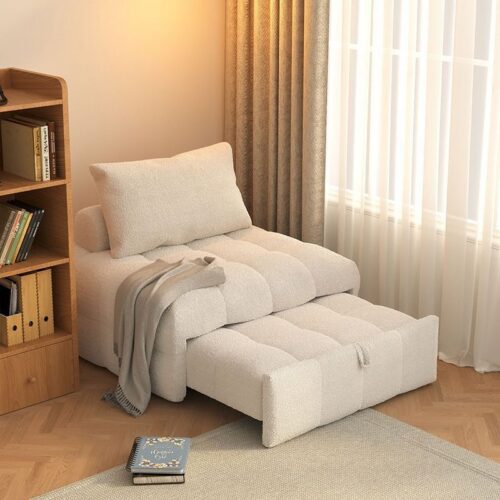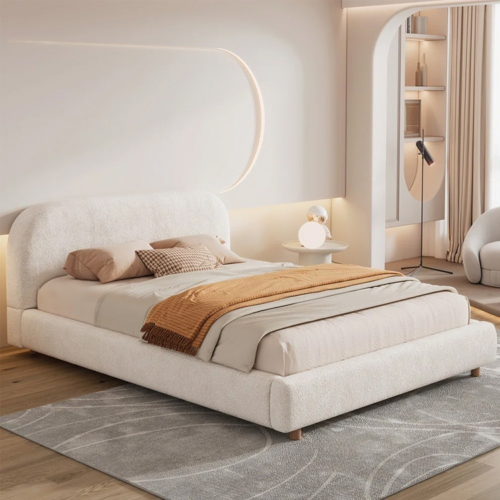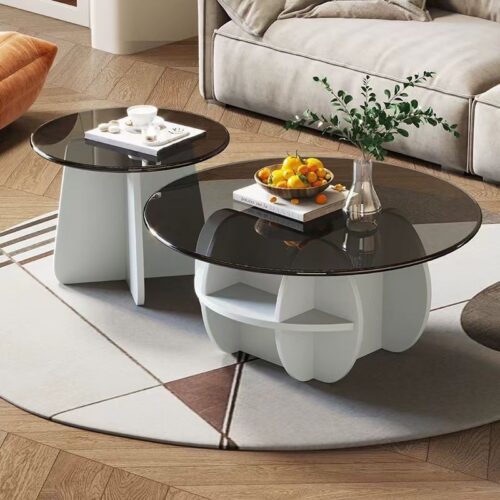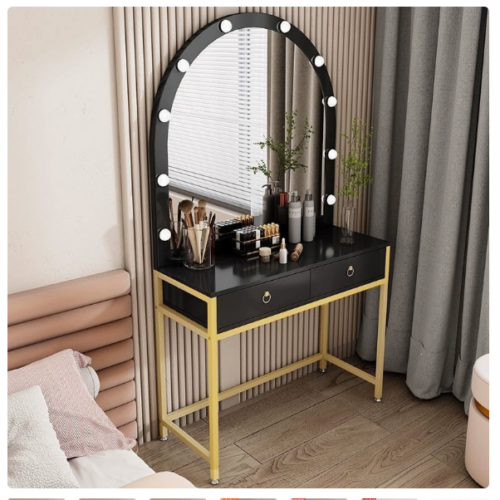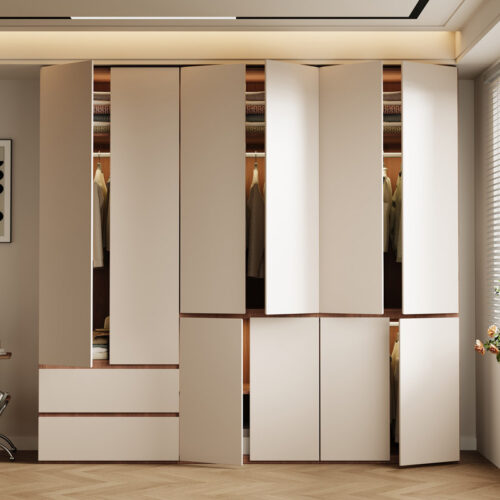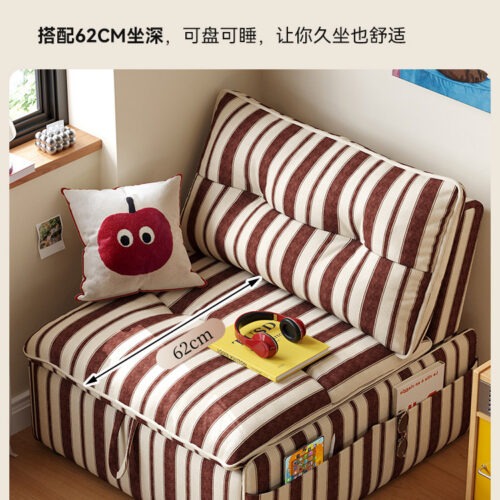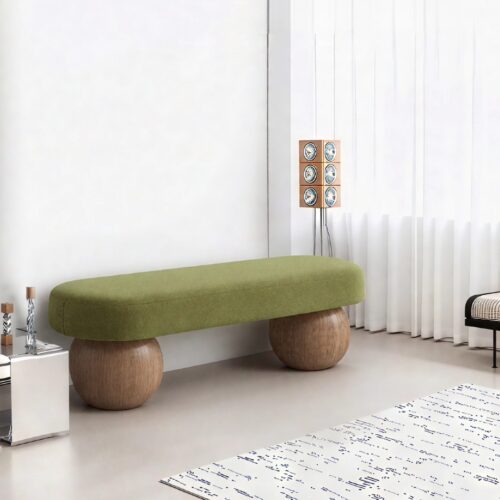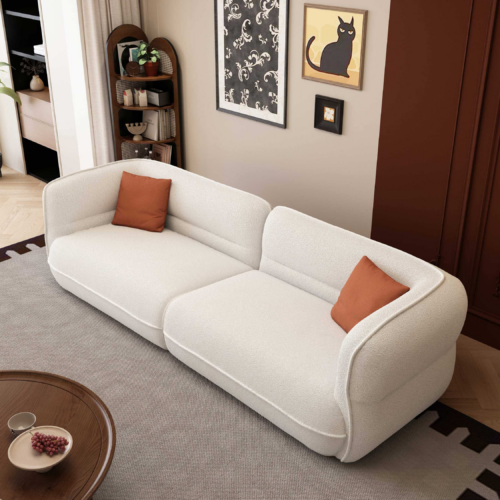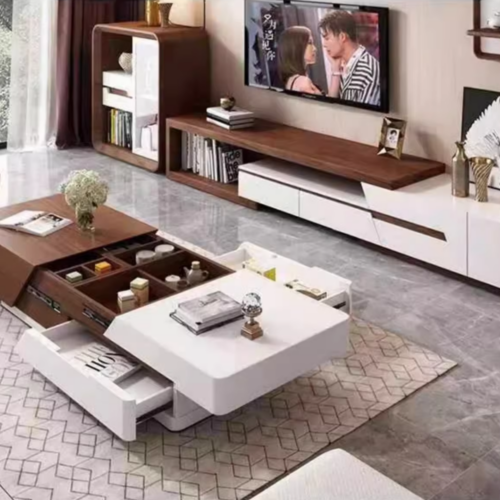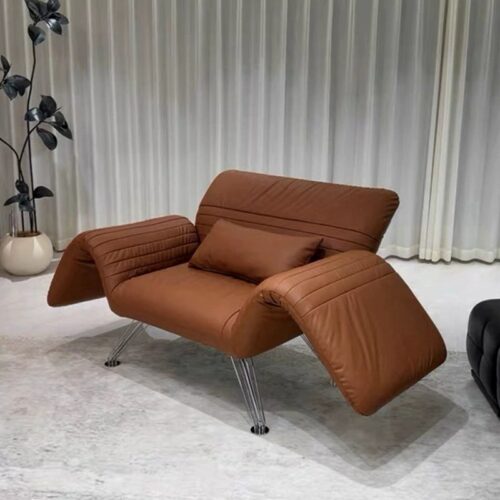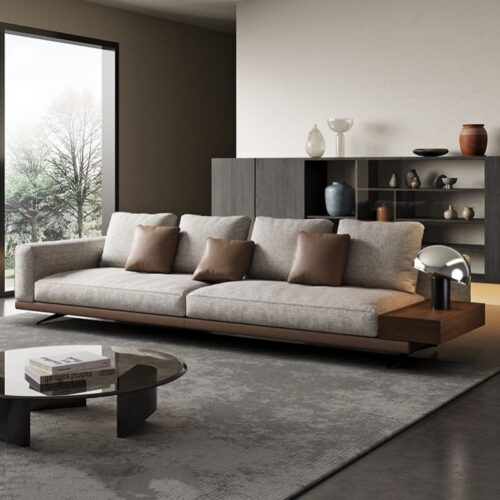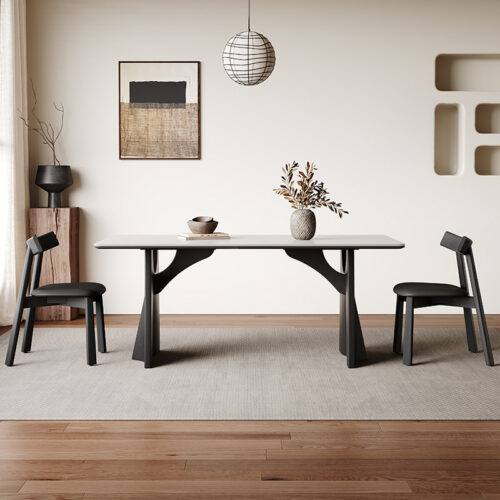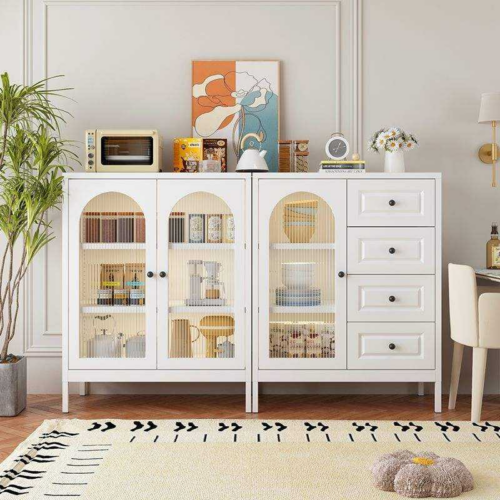
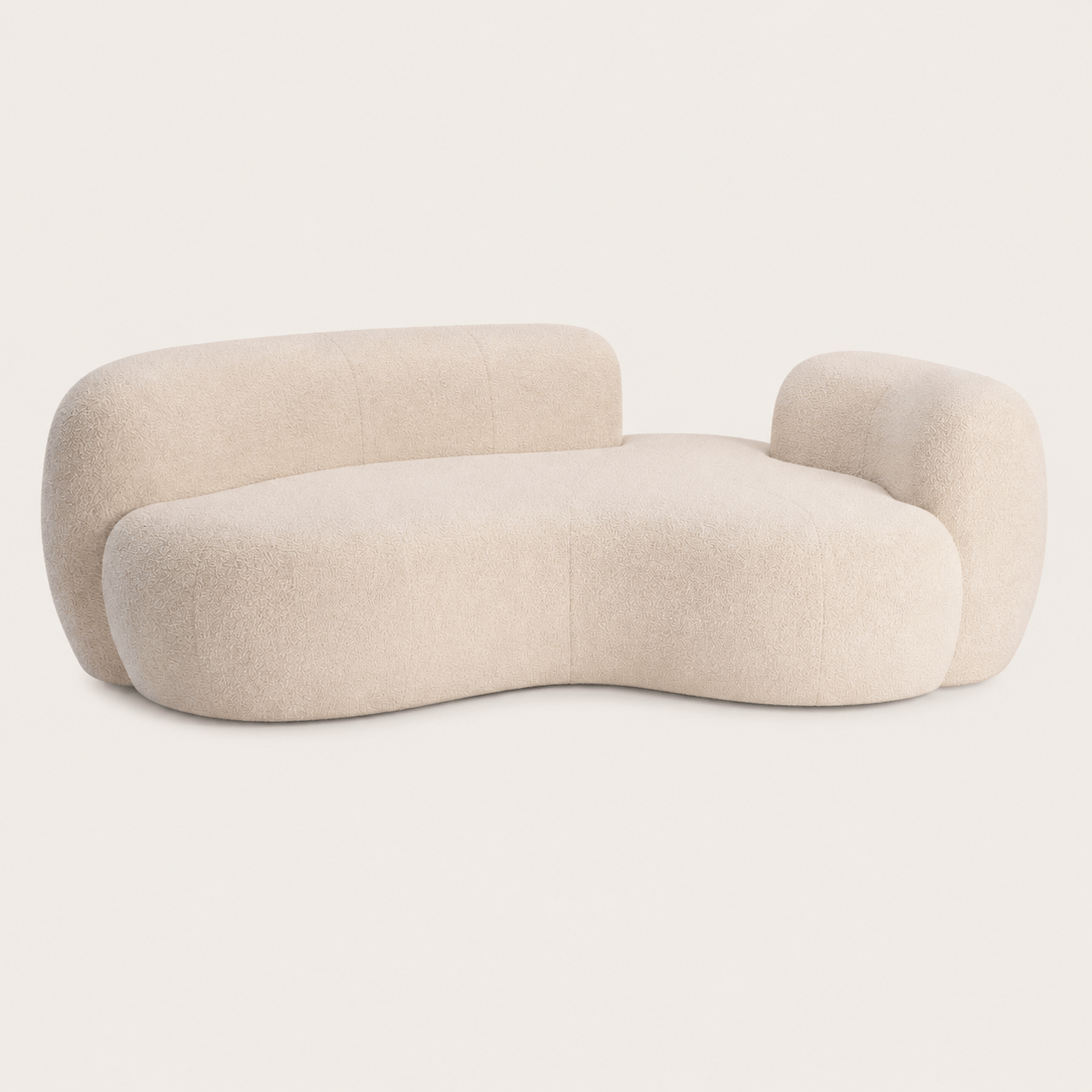
Mid-century modern (MCM) furniture has been one of the most enduring and influential design movements of the past century. Defined by clean lines, organic forms, natural materials and functional beauty, MCM furniture continues to dominate residential and commercial interiors around the world.
For furniture importers, retailers and e-commerce brands, mid-century modern is not a passing trend — it is a proven, high-demand category with strong repeat purchase potential. In this comprehensive guide from QONKA HOME — a Fuzhou Qiankun Manufacturing factory brand — we cover everything you need to know about mid-century modern furniture in 2026.
1. What Is Mid-Century Modern Furniture?
Mid-century modern furniture refers to a design movement that roughly spanned the mid-1930s through the late-1960s, reaching peak popularity in the 1950s and 1960s. Pioneered by designers such as Charles and Ray Eames, Arne Jacobsen, Eero Saarinen, Hans Wegner and George Nelson, the movement emphasized function, simplicity and the honest expression of materials.
Today, “mid-century modern” or “MCM” describes furniture that draws from this era — characterized by tapered legs, clean silhouettes, natural wood tones, and a balance of form and function that feels equally at home in a 1950s bungalow or a 2026 city apartment.

2. Core Design Characteristics of MCM Furniture
Authentic mid-century modern furniture is defined by a specific set of design principles. When sourcing or designing MCM pieces, look for these key characteristics:
- Clean, organic lines. No heavy ornamentation. Shapes flow naturally — curved arms, tapered legs, streamlined silhouettes.
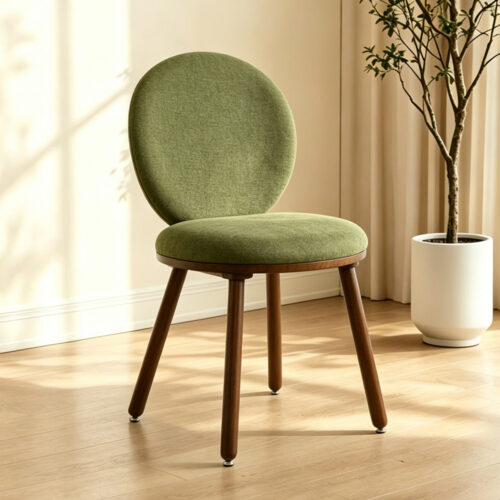
- Tapered (splayed) legs. Angled, tapered wooden legs are one of the most recognizable MCM signatures — on sofas, chairs, tables and cabinets.
- Natural wood. Teak, walnut, oak and beech are the classic MCM woods, often left in their natural finish to showcase grain.
- Functional simplicity. Every element serves a purpose. MCM designers rejected decorative excess in favor of honest utility.
- Mixed materials. Wood, metal, upholstery, leather and even plastic are combined in thoughtful, unexpected ways.
- Low, wide profiles. Many MCM sofas and cabinets sit low to the ground with wide, horizontal proportions.
- Integrated storage. Sideboards, credenzas and dressers with clean integrated handles are MCM staples.
The magic of MCM is that it feels both vintage and contemporary at the same time — which is why it has remained popular for over 70 years and counting.
3. Why Mid-Century Modern Is Still Trending in 2026
Seven decades after its peak, why is mid-century modern still the dominant furniture style? Here are the key reasons it continues to sell:
- Timeless versatility. MCM pieces work in almost any interior — from small urban apartments to large suburban homes. They mix easily with other styles.
- Small-space friendly. Clean lines and slender profiles make MCM furniture ideal for compact modern living spaces.
- Sustainability appeal. Natural wood, solid construction and a “buy well, buy once” philosophy align with 2026 consumer values around sustainability and longevity.
- Instagram & Pinterest fuel. MCM interiors are endlessly photogenic — warm wood tones, curated styling and natural light create highly shareable imagery that drives organic demand.
- Comfort without bulk. Unlike heavy traditional furniture, MCM sofas and chairs offer real comfort without looking heavy or space-consuming.
- Cross-generational appeal. Baby boomers who grew up with MCM, millennials who rediscovered it, and Gen Z buyers who embrace the aesthetic all buy MCM furniture.
4. The 10 Essential MCM Furniture Pieces Every Retailer Should Carry
Building a mid-century modern furniture collection? Start with these 10 best-selling staple pieces:
| Piece | Why It Sells | Typical Materials |
|---|---|---|
| MCM Sofa (3-seater) | Anchor piece of any MCM living room | Tapered wood legs + fabric/leather upholstery |
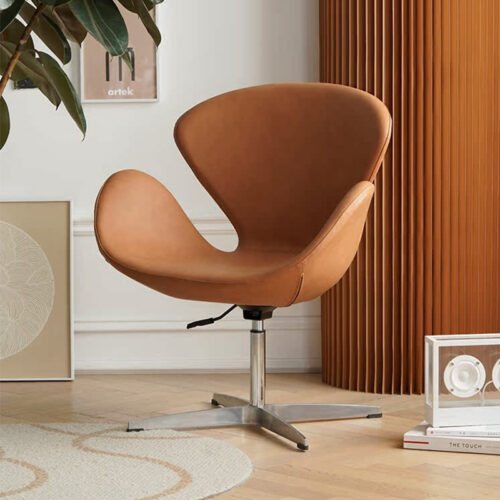
| Armchair / Lounge Chair | High-margin accent piece; iconic silhouettes | Walnut/oak frame + upholstered seat/back |
| Dining Chair (set of 4-6) | Volume seller; Wishbone-style especially hot | Solid wood seat/back + tapered legs |
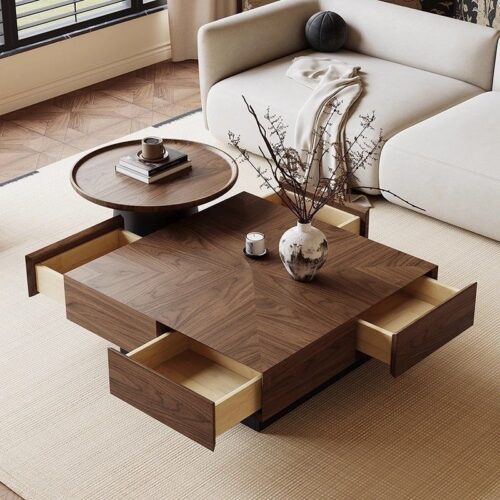
| Coffee Table | Living room essential; pairs with MCM sofas | Solid wood top + tapered legs |
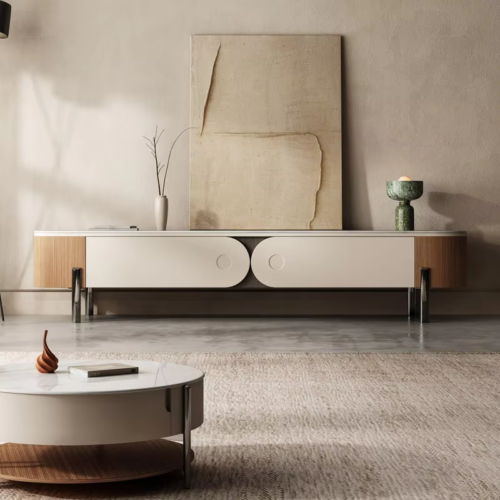
| Sideboard / Credenza | Statement piece with storage; high ASP | Walnut veneer or solid wood + tapered legs |
| Dining Table (rectangular/round) | Centerpiece of dining room | Solid wood top + tapered or turned legs |
| Side Table / End Table | Easy add-on; pairs with sofas and chairs | Wood or marble top + wood legs |
| Bed Frame | Bedroom anchor; popular in walnut finish | Solid wood platform frame with tapered legs |
| Bookshelf / Display Unit | Home office and living room | Wood frame with open or closed shelving |
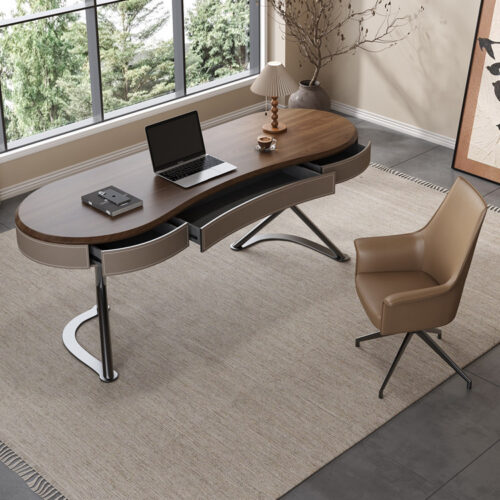
| Desk | Home office staple; WFH trend driver | Wood top + drawer unit + tapered legs |
For new collections, we recommend starting with the top 5 — sofa, armchair, dining chair, coffee table and sideboard — as these form the core MCM customer journey.

5. Material Choices for Mid-Century Modern Furniture
Material selection is one of the most important decisions when designing an MCM collection. Here are the classic and contemporary options:
Wood Types
| Wood | Color / Grain | Best For | Price Point |
|---|---|---|---|
| Walnut | Rich brown, distinctive grain | Premium / higher-end collections | High |
| Oak | Light to medium brown, open grain | Mid-range, Scandinavian MCM | Mid |
| Teak | Golden-brown, weather-resistant | Outdoor + premium indoor | High |
| Beech | Light pale brown, fine grain | Affordable MCM, dining chairs | Entry / Mid |
| Ash | Light brown, strong grain | Mid-range, contemporary MCM | Mid |
| Rubberwood | Light color, uniform | Budget / value MCM lines | Entry |
For many Western markets, walnut is the classic MCM look, while oak and light woods align better with the Scandinavian-influenced MCM that has grown in popularity since the 2010s.
Upholstery Fabrics
- Wool / wool blends — classic, durable, premium feel; works well on lounge chairs and sofas
- Linen / linen blends — natural, textured, popular for contemporary MCM; casual lived-in look
- Velvet — adds luxury and softness; trending for statement chairs and sofas
- Leather (top-grain / faux) — iconic MCM look (think Eames lounge); durable and ages beautifully
- Bouclé — on-trend textured fabric that adds a contemporary twist to MCM silhouettes
- Cotton blends — versatile, affordable, easy to maintain; best for everyday pieces
6. Mid-Century Modern vs. Scandinavian vs. Minimalist: What Is the Difference?
Buyers often confuse MCM with similar styles. Understanding the differences helps you merchandise and market more effectively:
| Feature | Mid-Century Modern | Scandinavian / Nordic | Minimalist |
|---|---|---|---|
| Era / origin | 1940s-60s USA / Europe | 1950s-present Nordic countries | 2010s-present global |
| Wood tone | Walnut, teak — warm medium to dark | Oak, beech — light and pale | Any — often very light or very dark |
| Silhouette | Organic curves + tapered legs | Simple forms + light wood | Ultra-clean geometric lines |
| Ornamentation | Subtle — sculptural wood details | Almost none | None at all |
| Color palette | Warm earth tones + wood | White + light wood + pastels | Neutral + monochromatic |
| Feeling | Warm, nostalgic, sophisticated | Cozy (hygge), bright, airy | Sleek, calm, uncluttered |
| Iconic piece | Eames Lounge Chair | Wishbone Chair | Platform bed / modular sofa |
There is significant overlap — many pieces could be classified as either MCM or Scandinavian. The key differentiator is often the wood tone: walnut/teak reads MCM, while light oak/beech reads Scandinavian.
7. Quality Markers: How to Spot Well-Made MCM Furniture
Not all “mid-century modern” furniture is created equal. When sourcing from China factories, use these quality markers to differentiate mass-market from premium MCM pieces:
- Solid wood legs and frames. Cheap MCM uses plastic “wood look” legs or thin veneer over particleboard. Quality pieces have solid wood legs and frames.
- Dovetail joinery. On drawers and case pieces, dovetail joints are a classic sign of quality construction.
- Eight-way hand-tied springs (sofas). Premium MCM sofas use eight-way hand-tied spring systems for long-lasting comfort and support.
- High-density foam. Cushions should use 28-35 kg/m³ density foam that maintains shape over years of use.
- Genuine veneer or solid wood. Walnut or oak veneer over plywood is acceptable and stable; solid wood is premium. Particleboard or MDF with a printed “wood” pattern is not.
- Smooth, even finish. Wood surfaces should be smooth to the touch with an even, durable finish — no rough spots, drips or uneven coloring.
- Weight. A well-made MCM chair or table should feel solid and substantial. If it feels light and flimsy, it probably is.
8. Sourcing MCM Furniture from China: What Importers Should Know
China is the world’s largest furniture manufacturer, and many global MCM brands produce their collections there. Here is what you need to know:
Why China for MCM Furniture?
- Established supply chains. Southern China (Foshan) and eastern China (Fuzhou, Zhejiang) have mature furniture manufacturing ecosystems with specialized suppliers for every component.
- Wide wood selection. Chinese factories work with imported walnut, teak, oak and domestic rubberwood and beech — giving you flexibility in material and price.
- OEM / ODM capability. Established factories like QONKA HOME can produce from your designs, or adapt existing MCM-style collections to your specifications.
- Cost efficiency. Even with shipping and tariffs, China-sourced MCM furniture typically costs 40-60% less than equivalent European or North American production.
- Scalability. Chinese factories can handle both small MOQ test orders and large-scale production runs for major retailers.
Key Sourcing Tips
- Always request samples before placing a bulk order. Evaluate construction, materials, comfort and finish quality in person.
- Ask for detailed spec sheets — wood type, foam density, spring system, fabric composition, dimensions and weight.
- Visit the factory if possible, or use a third-party QC service to inspect production before shipment.
- Clarify MOQ upfront — some factories have 50-100 piece minimums per SKU, while others are more flexible for smaller brands.
- Consider FOB vs. CIF terms and factor shipping, tariffs and customs into your total landed cost.
9. QONKA HOME: Your MCM Furniture Manufacturing Partner
QONKA HOME (Fuzhou Qiankun Furniture Manufacturing Co., Ltd.) specializes in modern furniture production for global brands, retailers and e-commerce sellers. Our mid-century modern furniture collection combines classic design with modern manufacturing quality.
What We Offer
- Full OEM service — produce MCM furniture from your designs, sketches or reference images
- Ready-to-order MCM collection — established MCM-style sofas, dining chairs, lounge chairs, coffee tables and more
- Customization — choose wood type, finish, upholstery fabric, dimensions and details
- Competitive MOQs — flexible minimum order quantities for new and growing brands
- Quality control — three-stage QC (raw materials → production → pre-shipment) with detailed inspection reports
- Global shipping — FOB Fuzhou / Xiamen, with CIF and DDP options available
- OEM / private label — we manufacture, you brand — your customers see only your brand
Browse our MCM-style sofas, dining chairs and living room furniture collections, or contact us to discuss your specific MCM furniture project.
10. FAQ — Mid-Century Modern Furniture
Q: Is mid-century modern furniture still in style in 2026?
A: Yes — mid-century modern remains one of the most popular furniture styles globally. Its timeless design, versatility and photogenic quality ensure ongoing demand, especially as WFH and home investment trends continue.
Q: What wood is most commonly used in MCM furniture?
A: Historically, walnut and teak were the signature MCM woods. Today, oak (especially white oak) is extremely popular for its lighter, more contemporary look, while walnut remains the classic premium choice.
Q: What is the difference between mid-century modern and modern furniture?
A: “Modern furniture” is a broad term covering many contemporary styles. “Mid-century modern” specifically references the 1940s-1960s design movement with its characteristic tapered legs, organic forms and wood-centric aesthetic. Not all modern furniture is MCM, but MCM is a type of modern furniture.
Q: Can MCM furniture work in small spaces?
A: Absolutely — in fact, MCM furniture is ideal for small spaces. Tapered legs create visual lightness (the eye sees more floor, making rooms feel larger), and clean lines avoid visual clutter. Many classic MCM pieces were designed for compact post-war homes.
Q: How do I mix MCM with other furniture styles?
A: MCM pairs well with almost any style. Popular combinations include: MCM + bohemian (add plants and textiles), MCM + industrial (add metal and leather), MCM + Scandinavian (light woods and cozy textiles), and MCM + contemporary (mix clean modern pieces with MCM classics). The key is maintaining a consistent color palette and varying textures.
Q: What is the price range for MCM furniture from China?
A: Pricing depends on materials, construction and quantity. As a rough reference: dining chairs from $30-150 FOB, sofas from $200-800 FOB, coffee tables from $40-200 FOB. Solid wood and premium fabrics push prices higher; engineered wood and value fabrics bring them lower. MOQ pricing applies to bulk orders.
Q: How long does production take for MCM furniture from China?
A: Typical lead times are 30-45 days for production (depending on order size and complexity) plus 25-40 days for ocean shipping. For existing designs with standard materials, production can be as fast as 20-30 days. Custom designs with new tooling add 10-20 days.
Q: Does QONKA HOME provide MCM furniture samples?
A: Yes — we provide samples for all our MCM furniture designs. Sample lead times are typically 7-15 days. Sample fees are charged upfront and credited toward your first bulk order. Contact us to request samples.
Conclusion
Mid-century modern furniture is more than a trend — it is a design language that has proven its enduring appeal across generations. For furniture importers, retailers and e-commerce brands, a well-curated MCM collection can drive consistent sales, attract loyal customers, and command premium pricing.
Whether you are launching a new MCM line or expanding an existing collection, working with an experienced China furniture manufacturer like QONKA HOME gives you the quality, flexibility and cost efficiency you need to compete in this dynamic market.