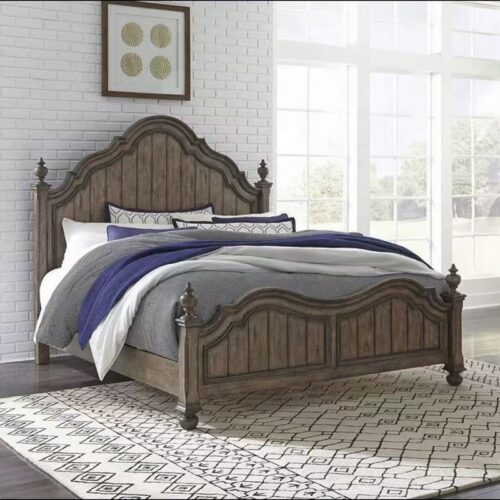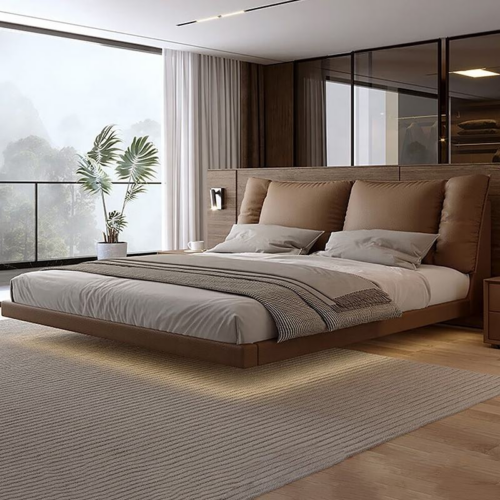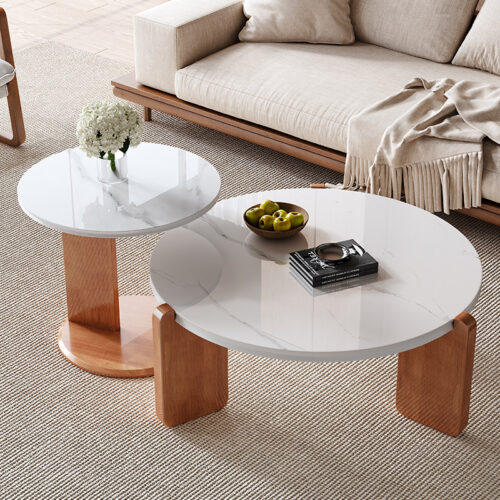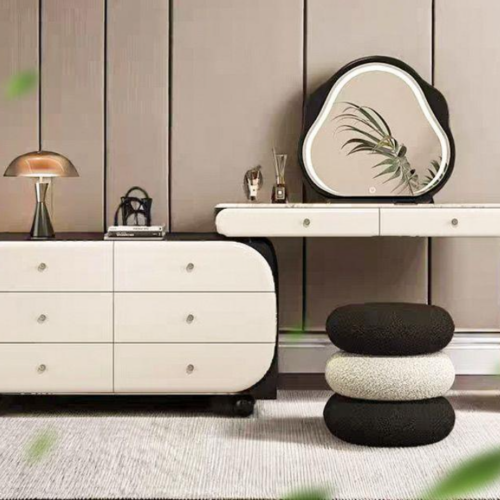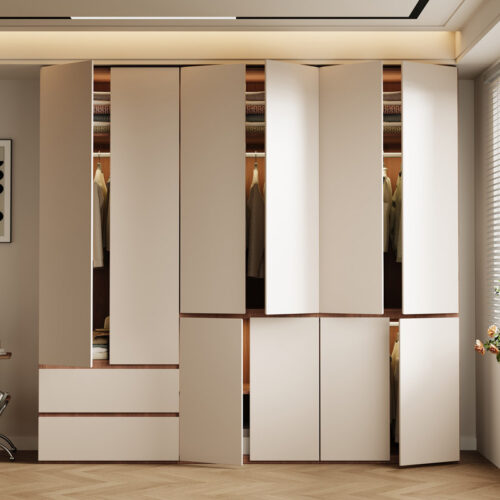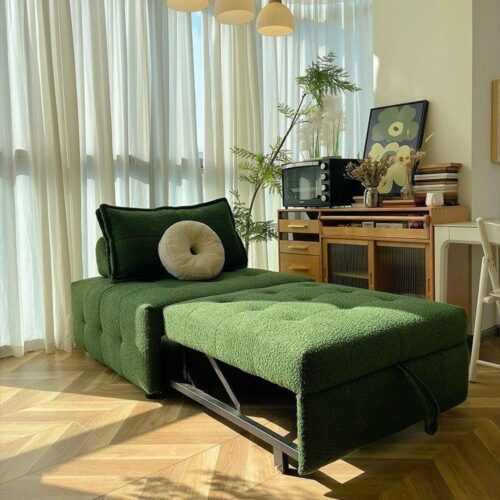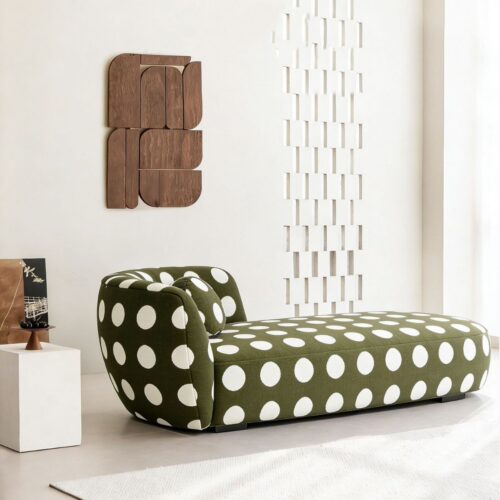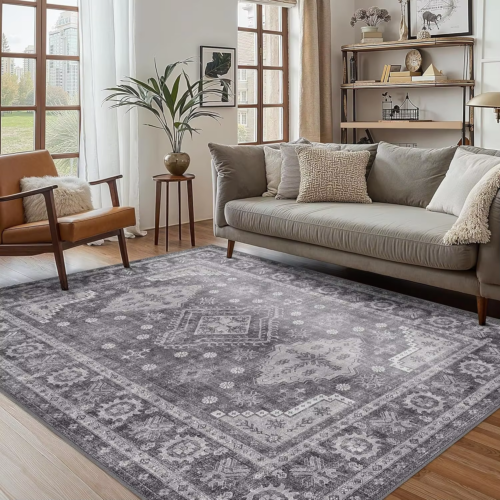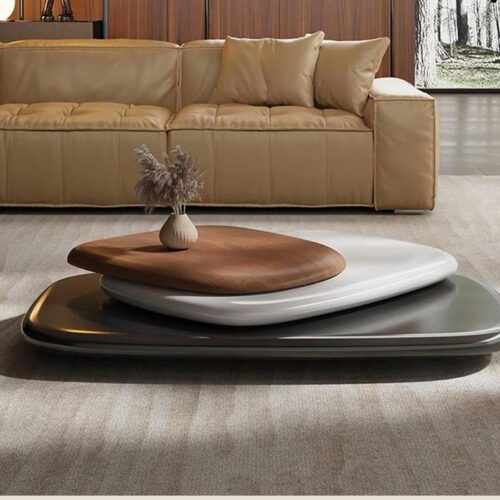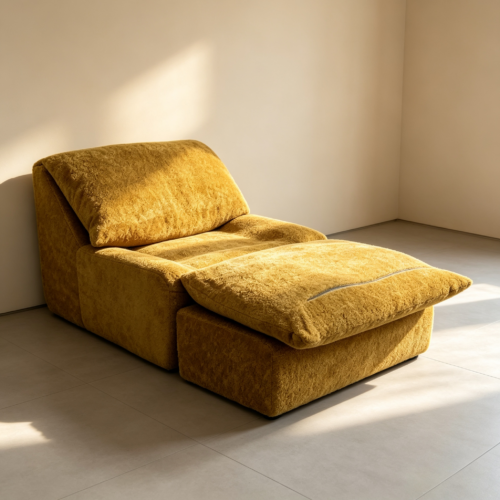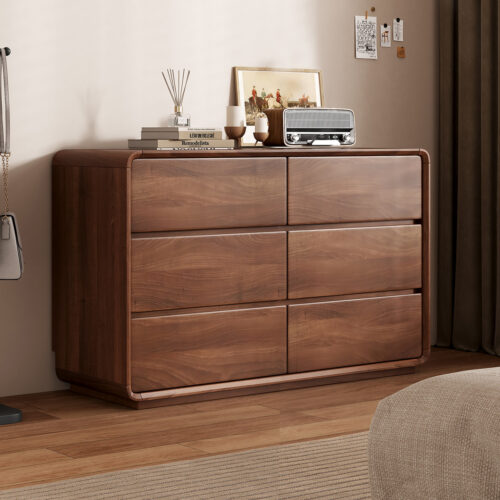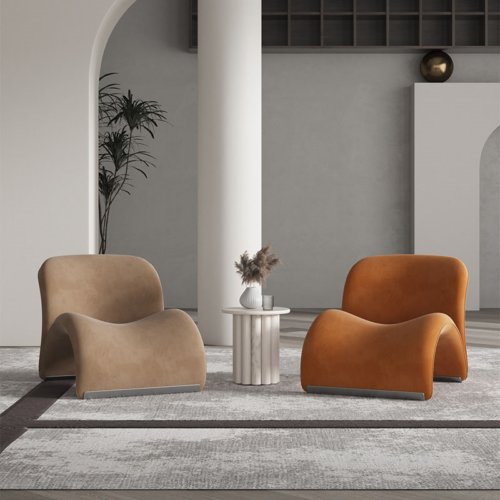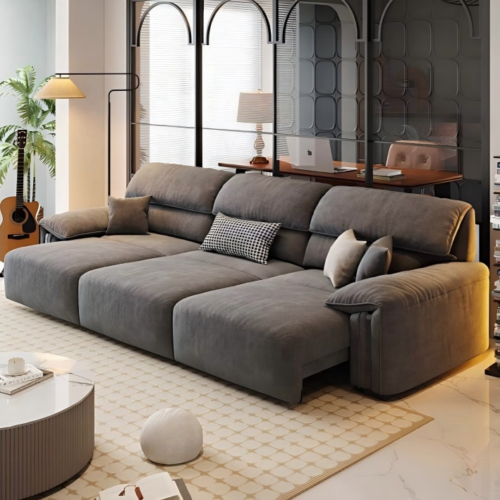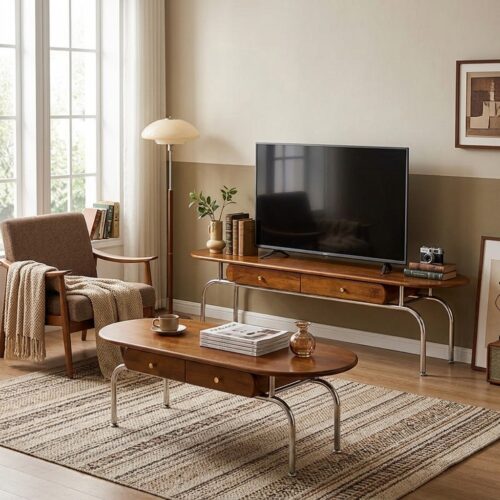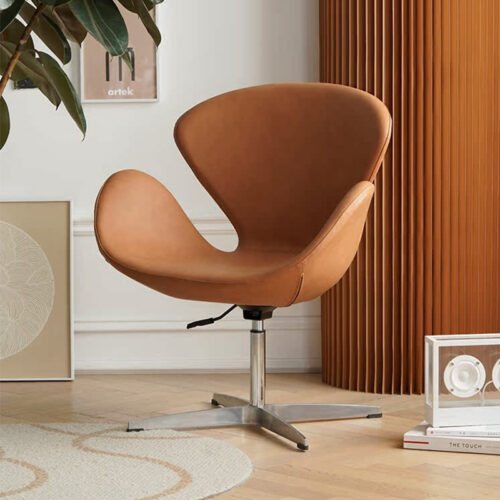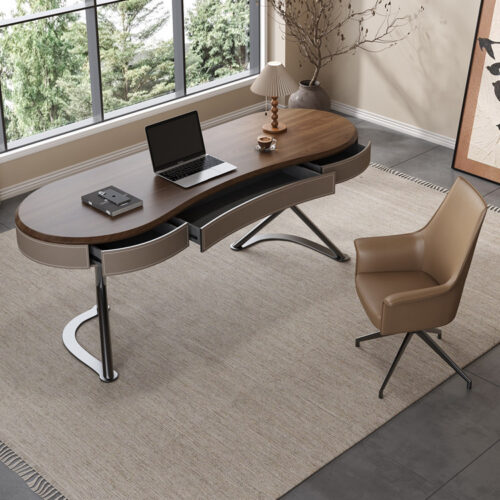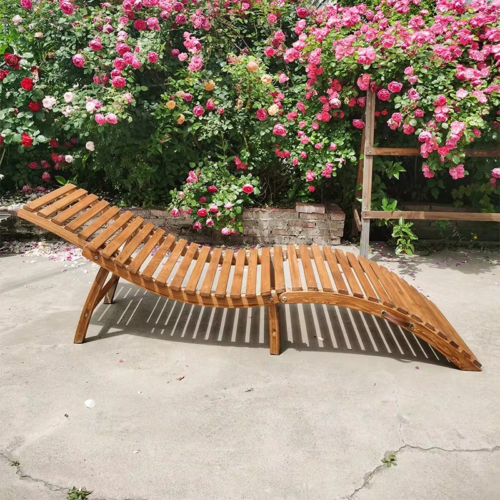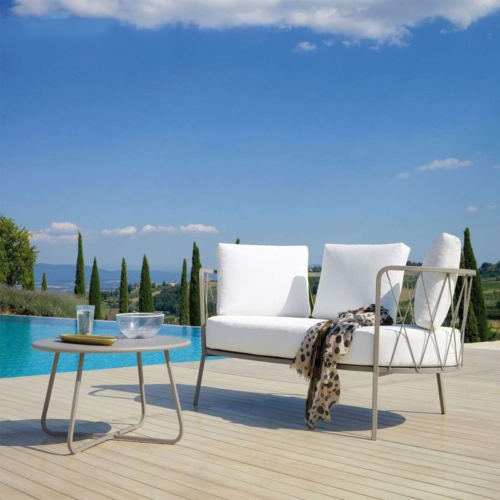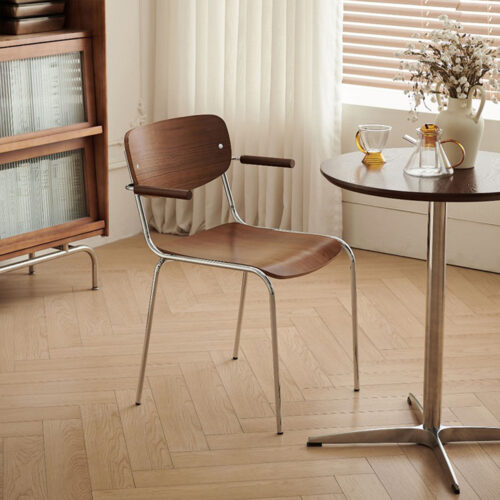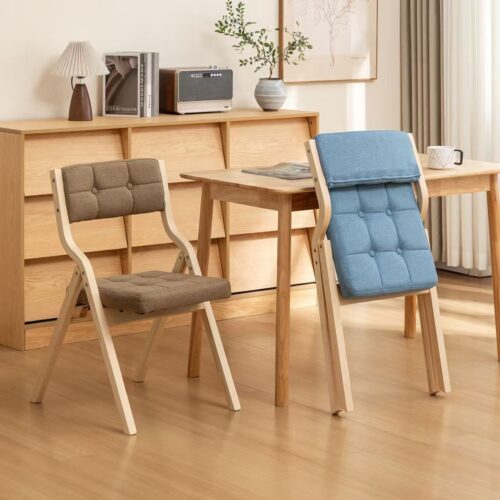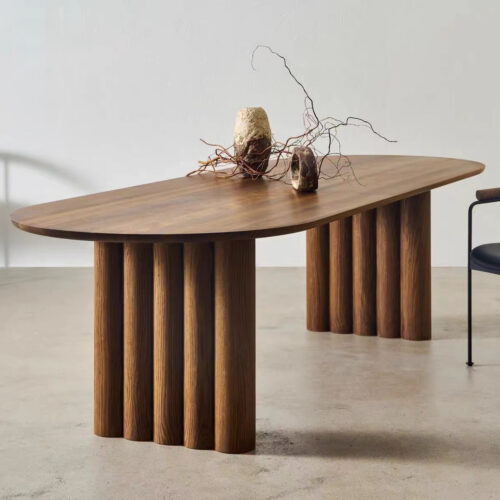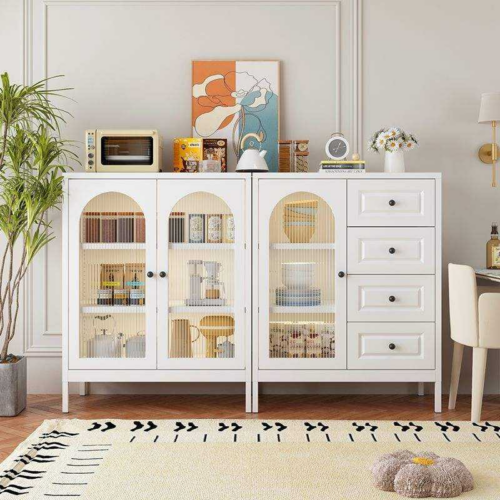
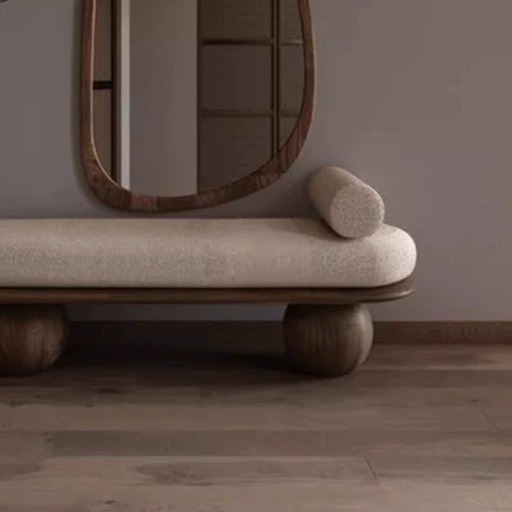
Industrial furniture has exploded in popularity over the last decade, and the trend shows no signs of slowing down in 2026. Characterized by exposed materials, raw textures, and a functional, utilitarian aesthetic, industrial style fits perfectly into modern lofts, urban apartments, open-concept homes and even commercial spaces.
For furniture importers, retailers and e-commerce sellers, industrial furniture offers strong margins, broad appeal across genders and ages, and opportunities for creative product differentiation. In this guide from QONKA HOME — a leading Fuzhou, China furniture manufacturer — we cover everything you need to know about sourcing and selling industrial furniture.
1. What Defines Industrial Style Furniture?
Industrial design originated in the 18th and 19th centuries in the wake of the Industrial Revolution, when factories and warehouses across Europe and North America were built with exposed brick, heavy timber, and exposed metal structural beams. When many of these industrial spaces were converted to residential lofts in the late 20th century, designers started incorporating those raw, utilitarian elements into furniture.
Today, industrial style furniture shares these core characteristics:
- Exposed materials: Visible wood grain, raw metal, unfinished edges
- Raw textures: Distressed wood, brushed metal, textured upholstery
- Neutral color palette: Black, gray, brown, warm wood tones, muted colors
- Exposed hardware: Visible bolts, screws, rivets, and metal brackets
- Functional, clean lines: Minimal ornamentation, focus on utility
- Mixed materials: Wood + metal combinations are extremely common
- Vintage / reclaimed look: Weathered, distressed finishes to create a lived-in feel
Industrial style pairs beautifully with other popular design movements: loft, minimalist, farmhouse, and Scandinavian.

2. Key Materials Used in Industrial Furniture
Industrial furniture relies on a few core materials to achieve the look and feel:
Solid Wood (often reclaimed)
Solid hardwoods like pine, oak, maple, and walnut are staples of industrial furniture. Reclaimed wood from old barns, factories, and shipping pallets is especially popular because it adds authentic character and sustainability credentials.
Common finishes: distressed, whitewashed, natural oil, clear coat (to show grain)
Raw / Brushed Metal
Steel, iron, and aluminum are used for frames, legs, hardware, and sometimes entire pieces. Industrial furniture often uses raw, unfinished metal, powder-coated black/gray, or brushed finishes.
Popular metal looks: matte black, gunmetal gray, brushed steel, weathered rust patina
Leather / Faux Leather
Top-grain or distressed leather is common for industrial sofas and dining chairs. Distressed, worn-in finishes enhance the vintage industrial look.
Concrete
Concrete tabletops, counter tops, and even bases are increasingly popular in modern industrial design. It adds raw texture and durability.
3. Most Popular Types of Industrial Furniture
Some furniture categories are particularly well-suited to industrial design:
| Type | Why It Works for Industrial | Market Demand |
|---|---|---|
| Coffee tables | Showcases wood + metal mix perfectly; centerpiece for living rooms | High |
| Dining tables | Large solid tops + metal legs = signature industrial look | High |
| Bed frames | Metal platform beds with distressed wood headboards fit industrial bedrooms | Medium-High |
| Sofas / Sectionals | Exposed metal legs + neutral leather/fabric = industrial living room | Medium-High |
| Desks | Wood tops + metal frames fit industrial home offices | High |
| Bar stools | Metal frames + wood seats fit industrial kitchens and bars | High |
| Shelving units | Open metal frames + wood shelves are classic industrial | Medium |
| Console tables | Narrow, functional pieces for entryways | Medium |
Coffee tables and dining tables are the “gateway” industrial pieces — most consumers start with these when adding industrial style to their home.
4. How to Source Quality Industrial Furniture
When sourcing industrial furniture from manufacturers, focus on these quality checks:
- Solid materials, not composites: Avoid MDF or particleboard for tabletops where possible. Solid wood or quality plywood with real wood veneer is better.
- Weld quality: For metal frames and joints, check that welds are clean, ground smooth, and strong enough to support weight.
- Finish durability: Powder-coated metal finishes are more durable than paint. Wood should be sealed to prevent scratches and moisture damage.
- Hardware quality: Bolts, screws and brackets should be solid steel, not flimsy stamped metal.
- Packaging quality: Wood should be protected from scratches during shipping; metal frames wrapped to prevent rust.
5. Why Industrial Furniture Remains Popular in 2026
Many design trends come and go quickly, but industrial style has staying power for several reasons:
- Versatility: Fits many home styles — from lofts to farmhouses to modern apartments
- Masculine appeal: Popular with male homeowners and appeals to both genders
- Durability: The heavy, solid construction means industrial furniture lasts for decades
- Scalable pricing: Entry-level pieces are affordable, premium pieces command higher margins
- Easy to style: Mixes easily with existing decor, doesn’t require a full home remodel
6. FAQ — Industrial Furniture
Q: Is industrial furniture out of style in 2026?
A: No — industrial style has evolved from a trend to a classic design category. While the extreme “exposed pipe” look is less common, the core aesthetic (mixed materials, raw textures, functional lines) remains extremely popular. Modern industrial design is more refined but still retains the essential character.
Q: What is the difference between industrial and rustic furniture?
A: Rustic furniture focuses on rough wood, natural materials, and a country/farmhouse feel. Industrial furniture relies more heavily on metal, exposed hardware, and utilitarian design elements. The two styles often overlap, but industrial is more urban and rustic is more rural.
Q: Can industrial furniture work in small spaces?
A: Absolutely. Industrial furniture often has clean lines and a relatively slim profile (compared to traditional bulky furniture). Pieces like industrial coffee tables, console tables, and narrow desks fit perfectly in small urban apartments.
Q: Is reclaimed wood really better for industrial furniture?
A: Reclaimed wood adds authentic character and sustainability, which many consumers value. But new solid wood with a distressed finish can achieve a very similar look at a lower cost. Both options are popular in today’s market.
Q: What is the typical MOQ for industrial furniture from China?
A: MOQs vary by factory and model. Standard items often have MOQs of 50-100 pieces. Custom designs may require 100-300 pieces. Most Chinese factories accept mixed-container orders to help smaller buyers meet shipping minimums.
Q: Does QONKA HOME manufacture custom industrial furniture?
A: Yes — we offer OEM and custom manufacturing for industrial furniture designs. We work with brands to develop custom sizes, finishes, and materials to match your market needs. Sample lead times are 7-15 days, and we credit sample fees toward your first bulk order.
Conclusion
Industrial furniture is a proven, high-demand category that continues to grow year after year. Its versatile aesthetic, broad consumer appeal, and strong margins make it an excellent addition to any furniture retailer or e-commerce brand’s lineup.
Whether you’re just starting to add industrial pieces or looking to expand your collection, the key to success is quality construction, authentic materials, and competitive pricing. Partnering with a reliable Chinese manufacturer like QONKA HOME lets you offer your customers high-quality industrial furniture at prices that work for both you and your consumers.